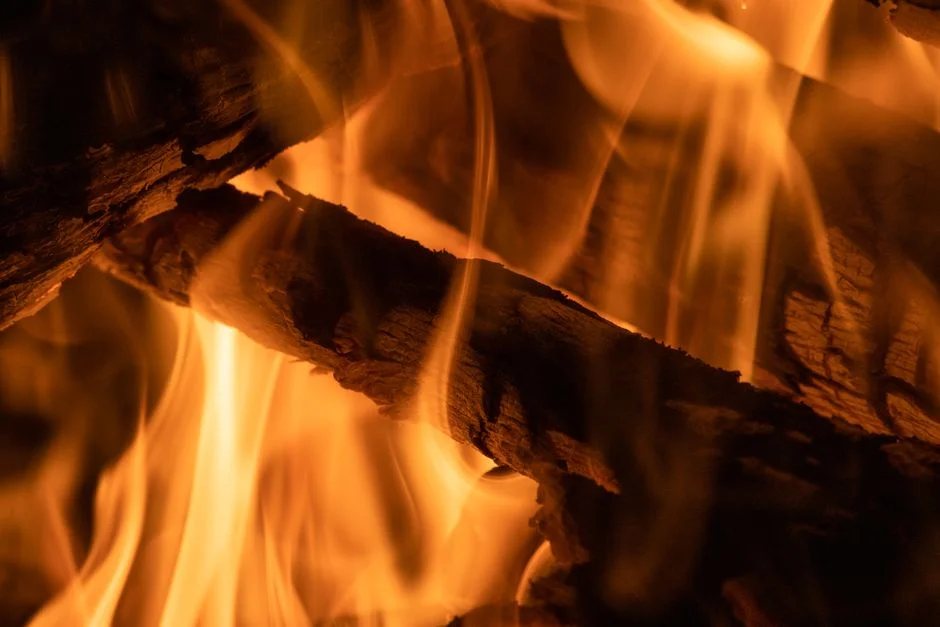
A fire broke out at a hotel in Malviya Nagar, Delhi, on Wednesday, triggering an investigation that uncovered a startling construction violation. Authorities discovered the establishment had been operating with 25 rooms despite receiving approval for only 6. The discrepancy has raised urgent questions about building permits, fire safety compliance, and the regulatory oversight failures that allowed the hotel to operate for months beyond its authorized capacity.
The Incident That Uncovered Years of Violations
Emergency services responded to the Malviya Nagar location after flames were reported in the early hours of Wednesday morning. Firefighters managed to bring the blaze under control, but the incident prompted officials to examine the hotel's records more closely. What they found reshaped the narrative from a routine fire response into a case study of regulatory failure. The gap between approved and constructed rooms was not a clerical error — records showed a deliberate expansion that bypassed the municipal approval process entirely.
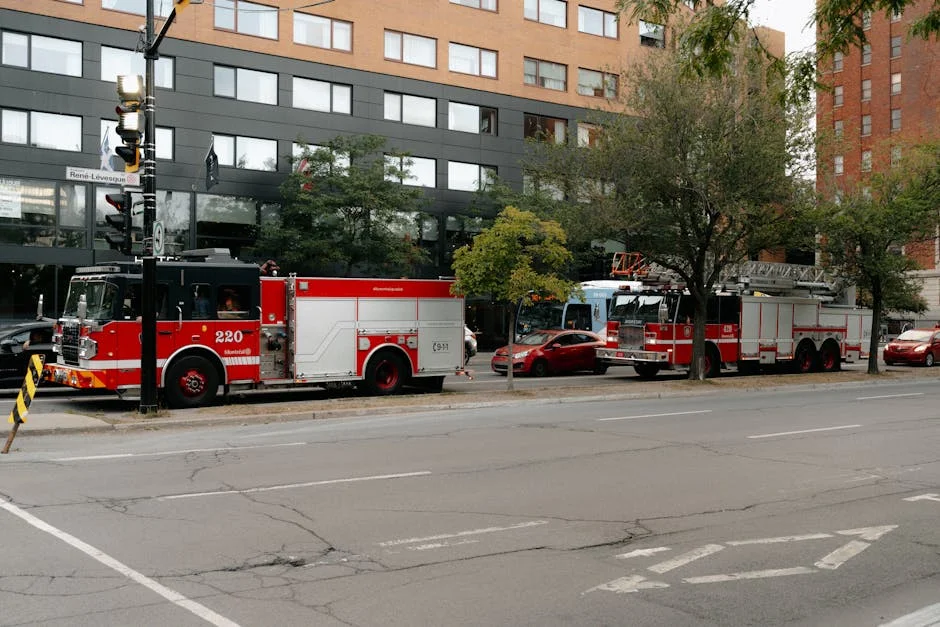
Local residents who live near the hotel described hearing loud cracking sounds before the smoke became visible. One shop owner nearby told reporters the establishment had been packed with guests during the weekend, raising concerns about overcrowding during peak hours. The proximity of the hotel to residential areas amplified fears about what could have happened had the fire spread unchecked for just a few more minutes.
Regulatory Framework Under Scrutiny
Delhi's municipal building codes require commercial establishments to submit detailed floor plans and safety assessments before receiving occupancy permits. Hotels seeking to expand beyond their approved capacity must file fresh applications, undergo inspections, and demonstrate adequate fire exits, sprinkler systems, and emergency lighting. The hotel in Malviya Nagar appears to have sidestepped every one of these requirements.
Officials from the local development authority confirmed that the original approval covered a modest six-room operation. The structure that eventually opened to the public bore little resemblance to the approved blueprints. Investigators are now examining whether the property owner submitted falsified documents during the initial permitting phase or simply proceeded with construction after receiving minimal approvals.
Fire Safety Equipment Requirements
Under Delhi fire safety regulations, hotels must maintain specific ratios of fire extinguishers, emergency exits, and smoke detection systems based on room count and occupancy load. A six-room hotel faces far less stringent requirements than a 25-room operation. The expanded property likely lacked the emergency infrastructure necessary to protect guests safely. Investigators are checking whether any fire safety certificates were filed and, if so, whether they reflected the actual room count or the smaller approved footprint.
Community Impact and Resident Reactions
Malviya Nagar is a densely populated residential neighbourhood with narrow lanes and shared walls between commercial and residential structures. A fire at an underregulated hotel poses risks that extend well beyond the establishment itself. Neighbouring homes share ventilation systems and wall connections with nearby commercial buildings, meaning an unchecked blaze could jump between properties within minutes.
Residents in the area expressed frustration that complaints about construction activity at the hotel site had apparently gone unheeded. Local community leaders said they raised concerns with municipal authorities months before the fire, citing excessive construction noise and an unusually large structure rising where a smaller building had stood. The development authority has not confirmed whether any formal complaints were logged or investigated.
The incident has also renewed attention on the broader pattern of illegal construction across Delhi's neighbourhoods. Malviya Nagar is not an isolated case — similar violations have been documented in several districts where commercial operators convert residential zoned properties or expand approved structures without proper oversight. The cumulative risk becomes visible only when a disaster strikes.
Legal Consequences and Official Response
The hotel's owner has been summoned for questioning by municipal authorities. Officials indicated that charges related to unauthorized construction, violation of fire safety codes, and potentially falsifying permit applications are under consideration. The property has been sealed pending the outcome of the investigation.
The Delhi Fire Service department confirmed it was conducting a parallel review of all hotels and guesthouses in the Malviya Nagar area. A spokesperson stated that spot inspections would be carried out over the coming weeks to verify occupancy permits and fire safety compliance. The department did not disclose how many properties would be examined or what threshold would trigger a formal audit.
What This Means for Delhi's Housing and Commercial Landscape
The Malviya Nagar case illustrates a persistent tension in Delhi's urban development: the financial incentive to overbuild often outweighs the regulatory consequences of getting caught. Small guesthouses and budget hotels operating in residential zones face pressure to maximize revenue per square foot, creating strong motivation to expand quietly without notifying authorities.
For ordinary citizens, the stakes are immediate. A guest checking into an underregulated hotel has no reliable way to verify whether the building meets safety standards. The approval documents displayed at reception typically reflect the original permit, not any subsequent unauthorized expansion. Until systemic reforms create meaningful accountability, guests must rely on luck alongside regulation.
The economic dimension matters as well. Legitimate hotel operators who comply with permitting requirements face unfair competition from establishments that bypass the same process. The six-room approval system exists partly to ensure smaller operators can enter the market affordably — violations undermine that balance and distort pricing across the neighbourhood.
Looking Ahead: Inspections, Reforms, and Accountability
Municipal authorities in Delhi face pressure to demonstrate a meaningful response before the next incident occurs. The Malviya Nagar fire, while thankfully contained, has exposed the fragility of a system that relies on self-reporting and limited inspection resources. The announced spot checks in the area represent a starting point, but advocates for stronger oversight argue that genuine reform requires digital permit tracking, mandatory third-party safety audits, and meaningful penalties for violations.
Residents and local business owners in Malviya Nagar are watching closely. The hotel site remains sealed, and the investigation continues. Over the next several weeks, officials are expected to release preliminary findings that could shape how Delhi approaches commercial building enforcement across other neighbourhoods. The question is whether Wednesday's fire will drive real change or simply fade into the pattern of documented violations that never quite lead to systemic reform.
See Also
- Indian Investor Slams 8-Year Green Card Wait — What Changes Next
- Bihar Police Probe Fatal Scorpio Crash in Khagaria
Officials indicated that charges related to unauthorized construction, violation of fire safety codes, and potentially falsifying permit applications are under consideration. The approval documents displayed at reception typically reflect the original permit, not any subsequent unauthorized expansion.
What is the latest news about delhi hotel fire exposes building violation 25 rooms built on approval for 6?
Why does this matter for crime-law?
What are the key facts about delhi hotel fire exposes building violation 25 rooms built on approval for 6?