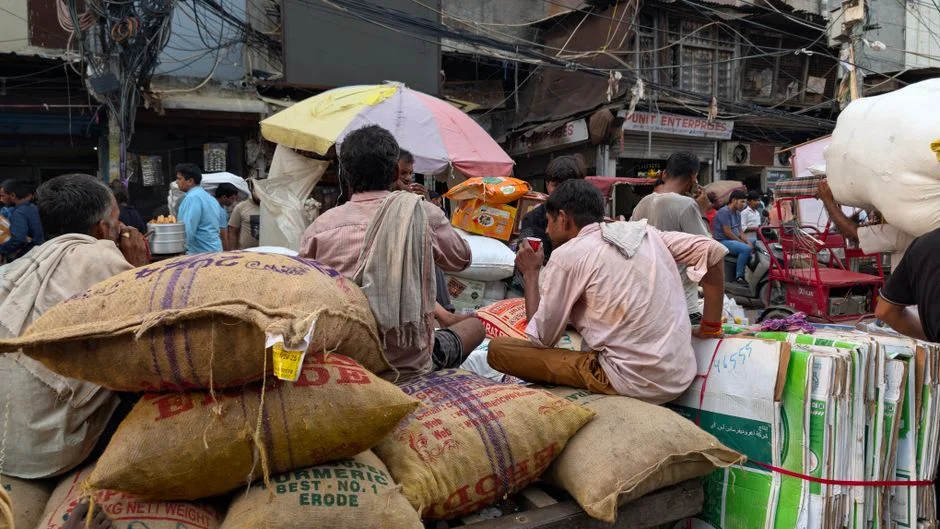
Senior politician Anbumani has publicly questioned why Tamil Nadu cannot implement a complete farm loan waiver similar to Maharashtra, raising the stakes in an ongoing debate about agricultural policy and state resources.
The comparison between the two states comes at a time when farmers across Tamil Nadu have been pressing for debt relief, and Anbumani's challenge puts pressure on the state government to explain its position on agricultural support.
The Maharashtra Precedent

Maharashtra announced a comprehensive farm loan waiver programme that wiped out outstanding debts for eligible farmers in the state. The move drew national attention as one of the most expansive agricultural debt relief schemes in recent years.
Anbumani pointed to Maharashtra's decision as evidence that state governments have the capacity to pursue bold agricultural reforms when there is political will. His question, essentially, is whether Tamil Nadu's reluctance reflects a lack of commitment to farmers or simply a lack of resources.
What Tamil Nadu Farmers Want
Agricultural communities in Tamil Nadu have been organising and lobbying for similar debt relief. The state's farmers have highlighted the challenges they face, including erratic monsoon patterns, rising input costs, and declining crop prices.
Local farmer groups have held demonstrations in several districts, including Coimbatore and Tiruchirappalli, calling for government intervention. The pressure on state authorities has been building as the agricultural sector continues to struggle with financial pressures.
The Political Dimension
Anbumani's demand adds a political layer to the debate. By framing the question as a direct comparison between two states, he is forcing the Tamil Nadu government to either justify why it cannot match Maharashtra's scheme or commit to doing so.
The question also resonates because Tamil Nadu has a significant rural population dependent on agriculture. Any policy decision on farm loans directly affects millions of households across the state's districts.
State Government Response
The Tamil Nadu administration has faced questions about its agricultural budget and priorities. Officials have pointed to existing schemes for farmers, including subsidised inputs and crop insurance programmes, as evidence of the state's commitment to the sector.
However, critics argue that these programmes do not address the immediate crisis of mounting debt that many farmers face. The gap between existing support and what farmers say they need has become a persistent point of contention.
Economic Reality Check
The financial capacity of states to fund large-scale loan waivers is not unlimited. Maharashtra's scheme came with a substantial price tag, and Tamil Nadu's fiscal position may constrain what it can realistically implement.
Budget analysts have noted that state governments must balance agricultural spending against other obligations, including education, health, and infrastructure. The question of whether a full loan waiver is feasible depends on these broader fiscal considerations.
What Happens Next
Anbumani's demand is likely to keep the farm loan debate alive in Tamil Nadu's political discourse. The state government will need to either announce its own scheme, provide a detailed explanation of why it cannot match Maharashtra, or find a middle path through targeted relief for the most distressed borrowers.
Farmers' groups say they will continue their campaign until the government makes a concrete commitment. The coming weeks will test whether the pressure translates into policy action or remains a political talking point.
See Also
- Karnataka Launches Digital Drug Surveillance System
- India Bets On GSFC To Stabilise Car Prices After Gulf Shock
Officials have pointed to existing schemes for farmers, including subsidised inputs and crop insurance programmes, as evidence of the state's commitment to the sector.However, critics argue that these programmes do not address the immediate crisis of mounting debt that many farmers face. Maharashtra's scheme came with a substantial price tag, and Tamil Nadu's fiscal position may constrain what it can realistically implement.Budget analysts have noted that state governments must balance agricultural spending against other obligations, including education, health, and infrastructure.