The United States has proposed tariffs of up to 12.5 percent on imports from India and China, citing evidence of forced labour in supply chains. The Office of the United States Trade Representative announced the targeted duties as part of an enforcement push under the Uyghur Forced Labor Prevention Act. The move threatens to disrupt billions of dollars in trade and raises costs for Indian businesses that rely on imported components.
What the tariffs mean
The proposed duties range from 5 percent to 12.5 percent depending on the product category and country of origin. Officials say the tariffs will apply to goods where there is credible evidence linking production to forced labour practices. The measure covers a broad spectrum of imports, including solar panels, textiles, and electronics components. Importers will need to demonstrate that their supply chains are free from forced labour or face the higher duties at customs.
How India is affected
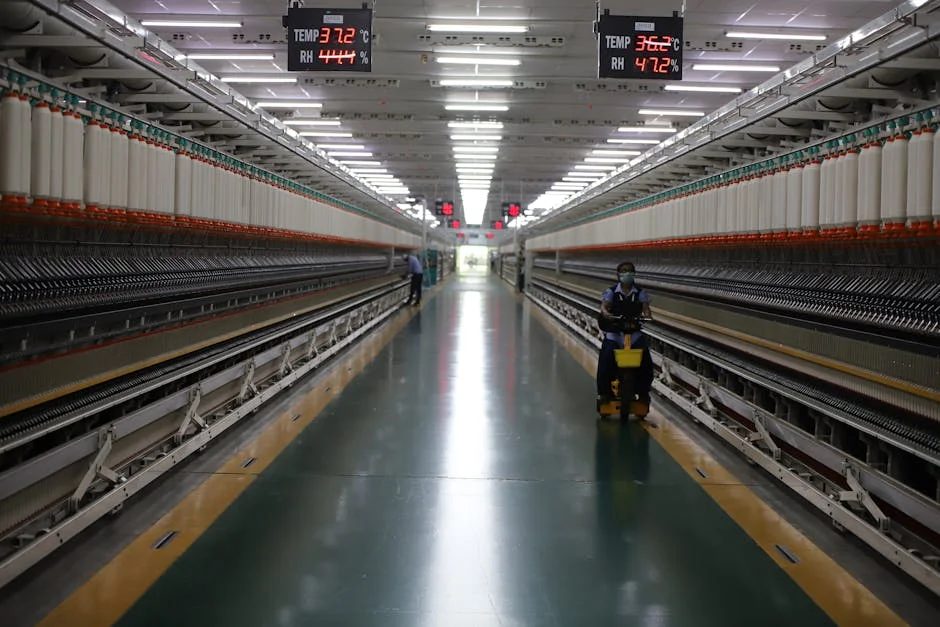
India exported goods worth approximately $128 billion to the United States in the most recent fiscal year, making it one of the largest trading partners for Washington. Solar manufacturers in India rely heavily on imported wafers and cells, many sourced from Chinese facilities. The new tariffs could raise the cost of producing solar panels domestically, squeezing margins for an industry that has expanded rapidly under government incentives. Textile exporters, a sector that employs millions of workers across Tamil Nadu, Gujarat, and Maharashtra, face similar pressures as raw material costs rise.
Sectors under pressure
The chemicals industry is another concern. India imports significant quantities of polysilicon and other inputs used in manufacturing from suppliers that may be caught up in the enforcement sweep. A spokesperson for the Solar Energy Manufacturers Association said the duties could slow expansion plans if input costs climb further. Consumer goods companies that assemble products for export also face scrutiny over component origins.
Washington's enforcement push
The USTR action follows a review of import data and supply chain audits conducted over the past eighteen months. Investigators identified patterns consistent with state-sponsored forced labour programmes in several industries. The duties are designed to act as both a penalty and a deterrent, encouraging companies to restructure sourcing away from high-risk regions. US customs officials have been directed to increase inspections of shipments from targeted countries.
Beijing's response
China has rejected the allegations, calling them politically motivated and contrary to World Trade Organization principles. The Chinese Ministry of Commerce described the tariffs as an abuse of trade defence tools. State media outlets carried statements accusing Washington of using human rights claims as cover for protectionism. Analysts expect Beijing to challenge the measures through WTO dispute settlement mechanisms.
What it means for Indian businesses
Companies that import from China will need to verify the labour practices of their suppliers or face the higher tariff rates. Smaller exporters, who often lack the resources for detailed supply chain audits, may struggle to demonstrate compliance. Trade associations in New Delhi have called on the government to provide technical assistance to help businesses meet the new documentation requirements. Industry executives say the compliance burden could reshape sourcing strategies across multiple sectors over the next two years.
Timeline and what happens next
The proposed tariffs are open for public comment for sixty days before any final determination is made. Businesses have until mid-February to submit evidence and representations to the USTR. If the duties are implemented, they would take effect immediately for shipments arriving after the final ruling. Trade lawyers expect the process to generate significant engagement from affected industries on both sides. India's Ministry of Commerce has said it is monitoring developments and will consider appropriate responses through bilateral channels.
See Also
- Wuhan Robotaxis Stall in System Malfunction — 120 Vehicles Affected
- Qatar Partially Resumes Air Traffic: What It Means for Gulf Communities
Analysts expect Beijing to challenge the measures through WTO dispute settlement mechanisms. What it means for Indian businesses Companies that import from China will need to verify the labour practices of their suppliers or face the higher tariff rates.
What is the latest news about us proposes 125 tariffs on india china over forced labour claims?
Why does this matter for business-economy?
What are the key facts about us proposes 125 tariffs on india china over forced labour claims?