UK Secretary of State for Business and Trade Peter Kyle met with India's Commerce Minister Piyush Goyal on Thursday as both nations pushed to finalise a bilateral trade agreement that could reshape commercial ties worth billions of pounds. The discussions focused on closing remaining gaps across tariff schedules, services access, and investment protections that have held up a deal since formal talks began in 2022.
Where the Negotiations Stand
Thursday's meeting in New Delhi marked the latest in a series of high-level engagements between the two governments. Officials from both sides described the atmosphere as constructive, with progress reported on several stubborn issues that had stalled earlier rounds of talks. The UK delegation arrived with fresh mandates following political changes in Westminster, signaling renewed urgency to conclude an agreement that both capitals view as economically and strategically vital.
Minister Goyal has led India's negotiating team throughout the process, while the UK side has undergone leadership transitions that briefly slowed momentum before Kyle's appointment accelerated the process. The two ministers held direct talks for roughly two hours, according to statements from both ministries, before technical teams resumed negotiations on specific sectoral chapters.
What Has Blocked a Deal Until Now
India and the UK have struggled to bridge differences on three core areas: agricultural tariffs, financial services market access, and intellectual property protections for pharmaceutical products. India has been reluctant to open its agricultural markets fully, citing concerns about domestic farmers facing competition from heavily subsidised UK produce. The UK, meanwhile, has pushed for stronger guarantees that Indian generic drug manufacturers will not undercut patented medicines in ways that violate international trade rules.
Services have emerged as the major prize in these negotiations. The UK financial sector has long sought easier access to India's banking and insurance markets, while Indian information technology companies want clearer pathways to operate in the UK without restrictive visa requirements. Finding a balance that satisfies both sides without appearing to surrender national interests has consumed negotiators for months.
The Stakes for Indian Businesses
For Indian exporters, a deal with the UK could open doors that have remained closed despite years of trying. The EU-India Free Trade Agreement discussions collapsed in 2013, leaving India without a comprehensive trade framework with any major Western economy. The UK-India deal would fill that gap and set a template for future negotiations with the bloc.
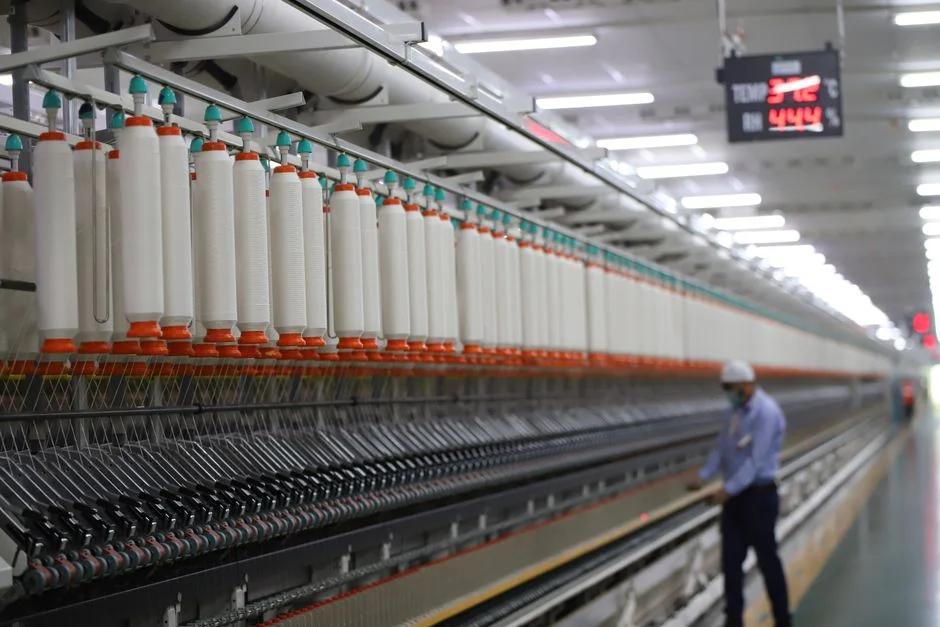
Textile and garment manufacturers in states like Gujarat, Maharashtra, and Tamil Nadu stand to benefit from reduced tariffs that currently make their products more expensive for British consumers. The UK imposed average tariffs of around 12 percent on Indian clothing imports before Brexit, and reducing those barriers could boost exports significantly. Pharmaceutical firms from Hyderabad and Ahmedabad are watching closely for provisions that would ease their path into UK supply chains.
British Industry Eyes Indian Consumers
UK businesses have equally ambitious goals for the Indian market. Financial institutions including Barclays and HSBC have existing operations in India but have pushed for licences that would allow them to serve retail customers directly rather than through partnerships. The UK automotive sector sees potential in India's growing middle class, though vehicle tariffs remain a contentious area where neither side has signalled willingness to compromise quickly.
Scottish whisky distillers have lobbied hard for tariff relief, as Indian import duties on spirits have historically exceeded 150 percent. A reduction to even half that rate would dramatically improve their competitive position against competitors from Australia and the United States who already benefit from lower duties under separate trade agreements.
Strategic Dimensions Beyond Trade
Beyond commerce, both governments have framed the negotiations in geopolitical terms. India has sought to reduce its economic dependence on China, while the UK has been eager to demonstrate post-Brexit trading capability by securing deals with major Asian economies. A completed agreement would give both governments a tangible achievement to cite in their respective diplomatic and economic strategies.
The timing matters politically for both sides. The UK government faces pressure to show that its "global Britain" agenda is delivering concrete results, while Prime Minister Modi's administration has highlighted trade diversification as a key economic priority. Completing the deal before the end of the current parliamentary term in both countries would provide a significant political boost.
What Happens Next
Negotiators will return to technical discussions over the coming weeks to resolve the remaining differences. Both sides have committed to maintaining momentum, with Kyle confirming that another ministerial meeting would follow once technical teams report sufficient progress. The goal remains signing a preliminary agreement before the summer parliamentary recesses, though officials have avoided committing to a specific date publicly.
Businesses on both sides should prepare for a deal that, if completed, will require adjusting supply chains, renegotiating contracts, and navigating new regulatory frameworks. The real impact for ordinary citizens will arrive gradually as tariff reductions feed through to consumer prices and new services become available. Watch for the next round of technical talks and any joint statement from the two ministries indicating that a deal is imminent.
See Also
- Oman Air Resumes Flights Amid Israel-Iran Tensions: Relief for Expats During Ramzan
- Mutfwang Slams Venue Criticism After Jos Attack — Focus on President's Message
The UK government faces pressure to show that its "global Britain" agenda is delivering concrete results, while Prime Minister Modi's administration has highlighted trade diversification as a key economic priority. The UK automotive sector sees potential in India's growing middle class, though vehicle tariffs remain a contentious area where neither side has signalled willingness to compromise quickly.Scottish whisky distillers have lobbied hard for tariff relief, as Indian import duties on spirits have historically exceeded 150 percent.
What is the latest news about uk india narrow trade gaps deal rollout moves closer?
Why does this matter for politics-governance?
What are the key facts about uk india narrow trade gaps deal rollout moves closer?