Nicolas Maduro touched down in Delhi on Monday for a three-day visit that has drawn sharp attention from Washington, as the Venezuelan president seeks to deepen economic ties with India at a time when his government remains under sweeping US sanctions. The visit, scheduled through June 12, includes meetings with senior Indian officials and business leaders in the capital.
Sanctions Shadow Hangs Over the Visit
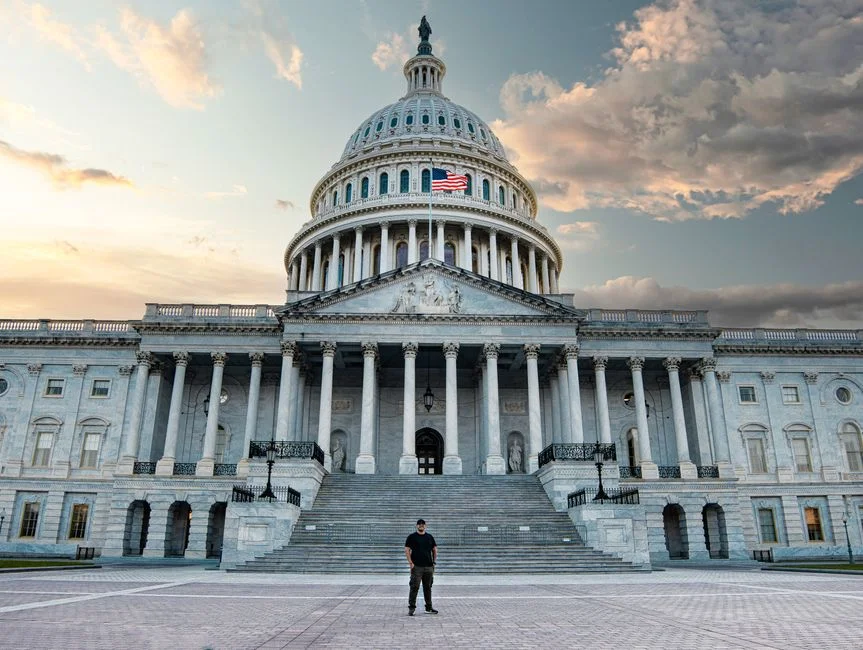
The White House has made clear it is monitoring Maduro's outreach to New Delhi. State Department spokesperson Matthew Miller told reporters last week that the United States "expects" any country engaging with Venezuela to consider the legal implications of dealing with individuals and entities under American sanctions. Washington imposed wide-ranging restrictions on Venezuela's oil sector in 2019, and has repeatedly warned third parties against circumventing those measures.
Maduro's inner circle includes figures already blacklisted by the US Treasury. Vice President Delcy Rodriguez, who is travelling with the delegation, was sanctioned in 2017. Her presence in Delhi has added to the diplomatic sensitivity of the trip, with US officials suggesting that Indian companies could face secondary sanctions risks if they expand business with the Venezuelan state oil company PDVSA.
What India Wants From Caracas
India's interest in Venezuela is straightforward: oil. The South American nation holds the largest proven reserves in the world, estimated at 303 billion barrels, and New Delhi has been actively diversifying its energy imports away from traditional suppliers. Indian refiners have long complained about heavy crudes from Venezuela that require specialised processing, but the price discount offered by sanctioned Caracas has made the economics more attractive in recent months.
Trade between India and Venezuela stood at approximately $4.5 billion in 2023, according to figures from India's Commerce Ministry, though this fluctuates heavily depending on how strictly sanctions are enforced at any given moment. Venezuelan crude imports to India have been modest compared to supplies from the Middle East, but New Delhi sees room to expand that relationship, particularly if it can secure favourable long-term contracts.
India's Delicate Geopolitical Position
The visit places India in an awkward position. New Delhi maintains strong strategic partnerships with both Washington and Moscow, and has sought to preserve relationships across ideological lines as it positions itself as a leader of the Global South. Engaging openly with Maduro — who the US does not recognise as legitimate — risks friction with American policymakers who have spent years trying to isolate the Venezuelan leader.
Foreign Minister S. Jaishankar is expected to meet with Maduro on Tuesday afternoon. The agenda covers energy cooperation, agricultural exports, and potential Indian investment in Venezuela's struggling mining sector. Officials speaking on background described the meetings as "pragmatic engagement" rather than political endorsement, a distinction that will matter to the Biden administration.
Regional Implications for South Asia
The timing matters. India is not the only country reconsidering its stance on Venezuela. As the United States has quietly eased some restrictions to encourage democratic negotiations, nations across Latin America, Africa, and Asia have increased diplomatic contact with Caracas. The BRICS grouping, which India chairs this year, has admitted Venezuela as an observer, further complicating Washington's strategy of international isolation.
For Indian businesses, the opportunity is real. Vedanta Resources and Reliance Industries have both explored Venezuelan projects in the past, though sanctions enforcement halted those plans. Executives from both companies are scheduled to attend a business forum alongside Maduro's delegation on Wednesday, according to the Confederation of Indian Industry.
What Happens Next
The visit concludes on June 12, but the consequences will play out over months. Washington has given no indication it will soften its stance on secondary sanctions, meaning any deals struck in Delhi could face legal review. The State Department's Miller said the US will "evaluate any actions taken" by Indian entities in the coming weeks.
India, for its part, appears willing to accept that risk. With global oil markets unpredictable and its own energy needs growing, New Delhi is signaling it will pursue its interests regardless of American discomfort. The question is whether the deals announced this week will be substantive enough to survive post-visit scrutiny — from Washington and from Indian parliamentarians who have raised questions about the optics of hosting a leader under US sanctions.
See Also
- Community Event in Satna Aims to Strengthen Local Ties
- Abhishek Banerjee Attacked in Sonarpur — Five Arrested After Mob Assault
Washington has given no indication it will soften its stance on secondary sanctions, meaning any deals struck in Delhi could face legal review. New Delhi maintains strong strategic partnerships with both Washington and Moscow, and has sought to preserve relationships across ideological lines as it positions itself as a leader of the Global South.