India's power grid is finally catching a break. Peak electricity demand fell to 248.6 gigawatts on Thursday, down from a record 250.2 gigawatts set earlier this week, as temperatures across the northern plains began easing, according to the national Grid Controller. The relief follows weeks of load-shedding, rolling blackouts, and emergency measures that pushed the grid to its limits during an intense May heatwave.
Grid Operators Ease Pressure as Temperatures Drop
The Northern Regional Load Despatch Centre, which manages power flow across Delhi, Haryana, Punjab, and Uttar Pradesh, reported significantly lower peak demand on Thursday evening compared to the previous week. The shift came as maximum temperatures in New Delhi dropped from 47°C to 41°C over three days. Grid operators were able to maintain reserves above the mandatory 5 percent margin for the first time since late May.
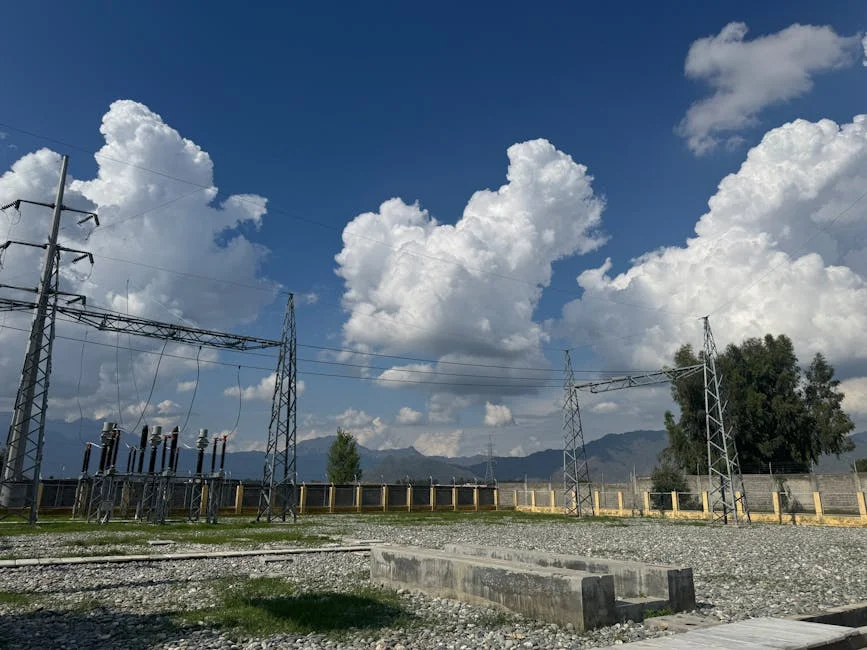
"We are seeing a meaningful reduction in stress across the northern grid," an official at the Load Despatch Centre confirmed, speaking on condition of anonymity because they were not authorised to brief the media. The official added that coal-fired plants across the region had returned to comfortable stock levels after emergency imports and increased railway coal shipments.
For millions of households that endured hours without electricity during peak evening hours, the change is tangible. In Gurugram, a technology hub south of the capital, residents reported uninterrupted power supply on Wednesday night for the first time in 12 days. Similar reports came in from Lucknow, Jaipur, and Chandigarh.
How the Power Crisis Unfolded
The spring heatwave exposed deep vulnerabilities in India's power infrastructure. Demand surged past 240 gigawatts in early May, then climbed past 248 gigawatts by mid-month. The Grid Controller issued multiple appeals to industrial users to voluntarily shed load during peak hours. Several states, including Punjab and Uttar Pradesh, imposed temporary restrictions on agricultural pump connections to free up capacity for residential and commercial consumers.
India's power grid carries the world's largest synchronized load, and managing it requires constant coordination between generation companies, transmission operators, and state load despatch centres. When demand approaches 250 gigawatts, there is almost no room for equipment failures or supply disruptions. The crisis came despite adequate installed capacity because extreme heat reduced the efficiency of thermal power plants and accelerated transmission losses.
Delhi's own generation capacity struggled to keep pace with the city's rising air conditioning load. The Indira Gandhi International Airport reported power cuts lasting up to 20 minutes on three separate occasions in late May, affecting check-in systems and passenger services. The Airport Authority confirmed the disruptions were due to scheduled load shedding by local distribution companies.
Southwest Monsoon Offers Relief Signal
The India Meteorological Department confirmed the southwest monsoon is expected to make landfall over the Kerala coast around June 4, advancing into central regions within a week. The monsoon arrival marks the official start of the four-month rainy season that replenishes reservoirs, reduces agricultural energy demand, and brings daytime temperatures down by 5 to 8 degrees across most of the northern plains.
Monsoon onset typically triggers a sharp fall in grid demand because air conditioner usage drops sharply once overnight temperatures fall below 30°C. The Grid Controller's own modeling suggests peak demand could fall by 30 to 40 gigawatts once the monsoon establishes itself over northern India, providing a natural buffer that reduces reliance on emergency measures.
The timing matters for farmers too. June is the critical period for kharif planting, which requires heavy groundwater pumping. The Central Electricity Authority estimates agricultural load can reach 40 gigawatts during peak months. Adequate monsoon rainfall reduces dependence on grid-supplied power for irrigation, freeing capacity for urban areas.
Coal Supply Bottleneck Remains a Concern
Despite the demand relief, the power ministry is not declaring victory yet. Coal-fired plants across the country hold an average of 18 days of stock, up from just nine days in mid-May, but distribution remains uneven. Plants in eastern India near mining areas have ample supply, while those in the west and south depend on railway wagon allocations that have not fully recovered to pre-monsoon levels.
Railways has increased coal rakes to the western states, but transporters say wagon availability remains constrained. A senior official at NTPC, the country's largest power generator, told reporters the company had signed emergency fuel contracts with imported coal suppliers, but logistics costs were eroding margins. "We have enough coal at the plant gates. The challenge is moving it from pithead to furnace fast enough," the official explained.
The power ministry has asked state governments to avoid scheduled maintenance at coal plants until July to maintain generation headroom. This directive particularly affects Rajasthan and Gujarat, where several units have been running continuously for over 60 days and require shutdowns for safety checks.
What to Watch as Monsoon Approaches
The meteorological window between now and June 10 will be critical for understanding how quickly the monsoon progresses and how much demand relief it brings. Grid operators are already preparing operational protocols for the transition period, when both heat and rain will place stresses on transmission infrastructure.
Tropical disturbances in the Bay of Bengal could accelerate or delay the monsoon advance. If the system tracks northeast rather than northwest, parts of Odisha and West Bengal may receive early rainfall while the Gangetic plain stays dry longer. The Grid Controller has asked all regional load despatch centres to maintain flexible capacity reserves through mid-June as a precaution.
For consumers, the immediate outlook is positive. The IMD's extended range forecast shows maximum temperatures in the northern plains settling at or slightly above seasonal averages through mid-June, which should keep demand manageable. Citizens in states that experienced power cuts can expect normal supply to continue as long as the monsoon arrives on schedule and no unexpected generation outages occur.
See Also
- Polycab Jumps 6% as Citi Upgrades Target Price to Rs 10,500 After Q4 Results
- Bengaluru Police Investigate Former Techie's Suicide Amid Harassment Claims: What Happened
The Grid Controller's own modeling suggests peak demand could fall by 30 to 40 gigawatts once the monsoon establishes itself over northern India, providing a natural buffer that reduces reliance on emergency measures.The timing matters for farmers too. A senior official at NTPC, the country's largest power generator, told reporters the company had signed emergency fuel contracts with imported coal suppliers, but logistics costs were eroding margins.