A high-level delegation led by IFFCO chairman Dr. G. Chakravarti met with US-India Business Council officials in Washington this week to explore new avenues for agricultural cooperation between the two nations. The discussions centred on expanding partnerships in fertiliser technology, sustainable farming practices, and joint research initiatives that could reshape how Indian farmers access modern agricultural inputs.
The meeting signals a strategic push by India's largest fertiliser cooperative to leverage international partnerships for the benefit of millions of smallholder farmers across the country. USIBC, which represents major American corporations operating in India, hosted the session as part of its ongoing efforts to strengthen bilateral commercial ties.
What the Talks Covered
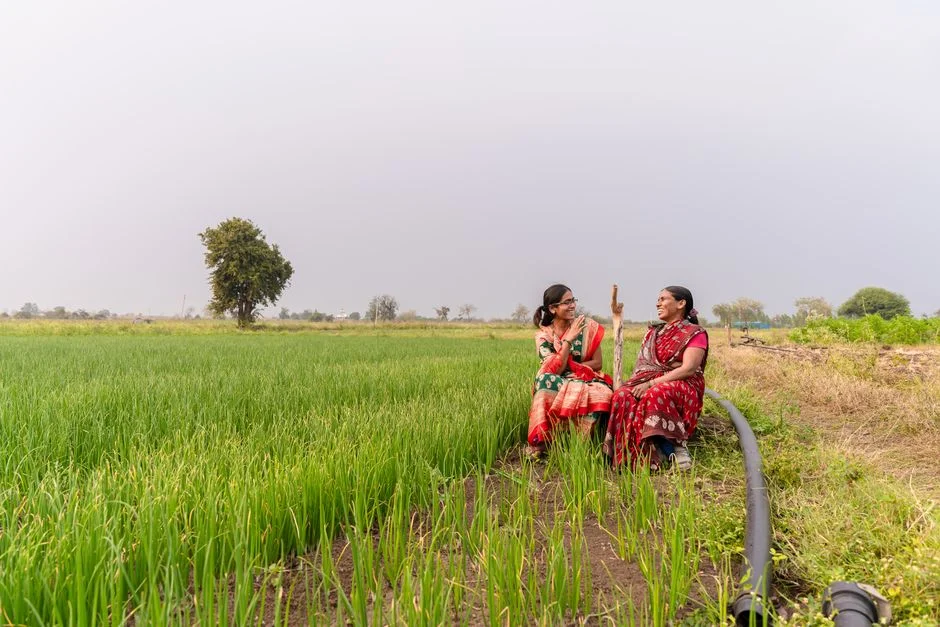
According to a statement from IFFCO, the discussions focused on technology transfer agreements that could help Indian manufacturing facilities produce higher-quality fertilisers at lower costs. The cooperative, which supplies fertilisers to over 50 million farmers through a vast distribution network, has been seeking ways to reduce dependency on imported raw materials that have become increasingly expensive due to global supply chain disruptions.
USIBC President at the meeting highlighted the potential for American companies to partner with Indian firms in developing next-generation fertilisers that could improve crop yields while reducing environmental impact. The council has been actively facilitating such discussions as part of its broader mandate to expand US-India economic engagement.
Why This Matters for Indian Farmers
Fertiliser costs represent one of the largest expenses for Indian farmers, and price fluctuations in global markets directly affect their livelihoods. IFFCO's push for closer US cooperation comes at a time when many farmers are grappling with rising input costs that have squeezed their margins significantly.
The cooperative has been working to expand domestic manufacturing capacity to reduce exposure to international price volatility. Technology partnerships with American firms could accelerate these efforts by bringing advanced production methods to Indian facilities.
Impact on Rural Communities
Rural communities in states like Uttar Pradesh, Punjab, and Maharashtra stand to benefit most from any breakthrough in affordable fertiliser supply. These regions account for a substantial share of India's agricultural output and are home to millions of farming families who depend on steady fertiliser availability at predictable prices.
Local agricultural economists have noted that improved access to quality fertilisers could help boost crop productivity, directly affecting rural income levels and food security across the country.
India's Strategic Push for Food Security
The timing of the IFFCO-USIBC meeting aligns with India's broader push to strengthen its food security framework. The government has been encouraging partnerships that can help the country achieve greater self-sufficiency in critical agricultural inputs while maintaining export capabilities.
India is one of the world's largest consumers of fertilisers, with annual demand exceeding 60 million tonnes across nitrogen, phosphorus, and potassium products. Meeting this demand domestically while keeping prices affordable for farmers remains a key policy priority.
What Happens Next
IFFCO has indicated that follow-up discussions will take place over the coming months to flesh out specific proposals discussed at the Washington meeting. The cooperative plans to send a technical team to evaluate potential partnership models that could be implemented across its manufacturing facilities in India.
USIBC is expected to facilitate introductions between IFFCO leadership and American fertiliser companies and agricultural technology firms that have expressed interest in the Indian market. Both sides have committed to maintaining regular communication as they work toward concrete agreements.
Broader US-India Trade Context
The agricultural cooperation discussions occur against a backdrop of expanding US-India commercial ties. Bilateral trade between the two countries has grown substantially over the past decade, with both governments expressing interest in further deepening economic engagement across multiple sectors.
Agricultural products and inputs represent a significant component of this relationship, with India emerging as a major market for US farm equipment, seeds, and technology services. IFFCO's outreach reflects the growing interest among Indian agricultural enterprises to tap into American expertise and capital.
Farmers and agricultural analysts across India will be watching these developments closely. Any reduction in fertiliser costs or improvement in product quality could translate into better returns for millions of farming families who form the backbone of India's agricultural economy. The next round of discussions is expected to take place before the end of the current financial year.
See Also
- Kejriwal Slams BJP After AAP's Resounding Win in Punjab Civic Polls
- India Confirms Energy Security Amid Middle East Crisis: What This Means for Citizens