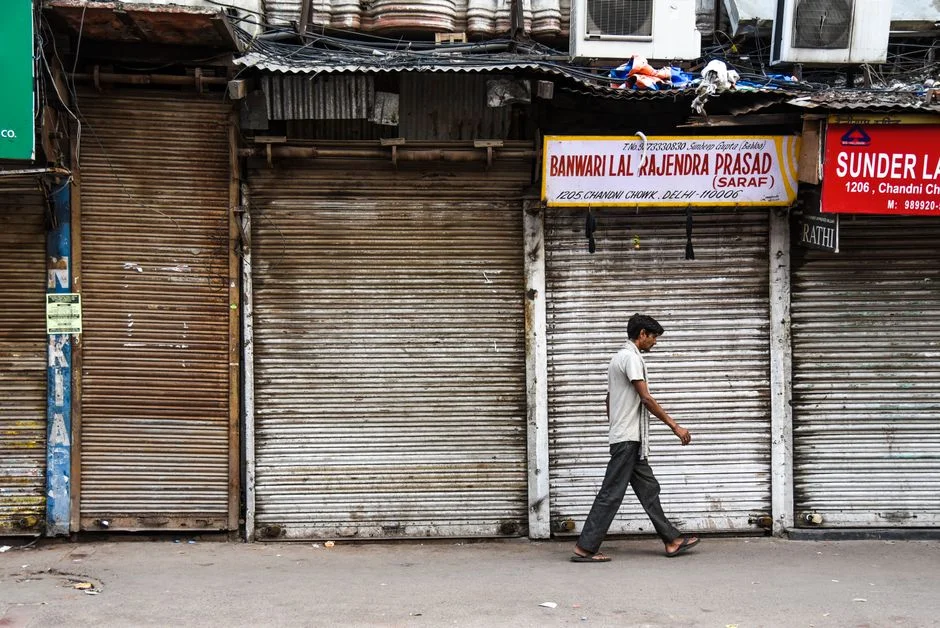
At 5 a.m. in Phalodi, Rajasthan, the temperature already sits at 34 degrees Celsius. By noon, it climbs to 47. By midnight, it barely drops below 33. Residents here say mornings and nights have effectively merged into one relentless stretch of heat.
"There is no morning anymore," said Ramesh Meena, a vegetable vendor who has sold produce in Phalodi's market for two decades. "You wake up and it is already hot. You go to sleep and it is still hot. The cool part of the day just disappeared."
Phalodi recorded India's highest temperature this week at 47.2°C, according to the India Meteorological Department. The city joins dozens of others across Rajasthan, Gujarat, Punjab, and Haryana where heatwave conditions have persisted for nine consecutive days, testing infrastructure, draining water supplies, and pushing hospitals to capacity.
The Numbers Behind the Crisis
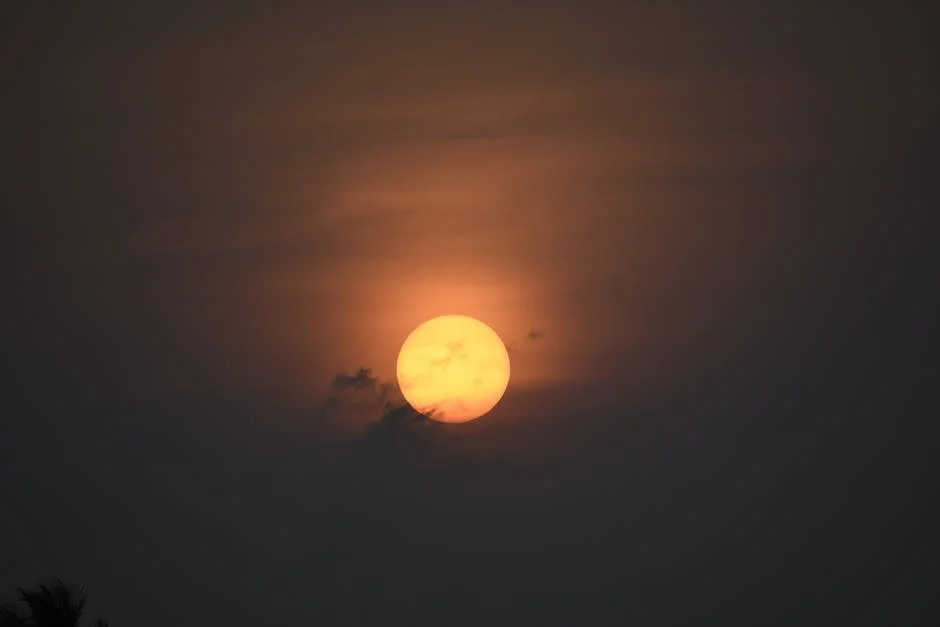
The India Meteorological Department has issued red-level warnings for nine states. Maximum temperatures have consistently exceeded 45°C across a vast swath of northwestern India. In Delhi, the mercury touched 46.3°C at Mungeshpur station on Tuesday, while Rajasthan logged maximum temperatures between 46°C and 47.2°C in at least six districts.
Night temperatures in these regions have failed to drop below 30°C in most places, a phenomenon meteorologists call "night-time warming." Normally, temperatures fall by 10-15 degrees after sunset, allowing the human body to recover. When that recovery window shrinks to three or four hours of marginally cooler air, heat stress accumulates.
The National Disaster Response Force has deployed 47 teams across affected states. State governments have declared health emergencies in districts where hospital admissions for heat-related illness have doubled in the past week.
How Communities Are Responding
In Jaipur, the Rajasthan government opened 142 cooling shelters across the city. Libraries, community halls, and government offices with functioning air conditioning have become de facto refuge points for the poor. Yet officials admit the shelters cannot accommodate everyone who needs them.
"We have 400 people coming every day," said Priya Sharma, coordinator of a cooling centre in Jaipur's Vaishali Nagar area. "We have 80 chairs. People sleep on the floor. Some families come at 8 p.m. and stay until 6 a.m. because their homes are worse."
Water Becomes a Battleground
Across Rajasthan, water tanker demand has surged by 60 percent, according to the state's Jal Department. In Jodhpur, authorities have imposed rotational cuts on municipal water supply, delivering water to each neighbourhood once every three days. Residents queue with containers from before dawn.
"I wake at 3:30 to get in line," said Sunita Devi, a domestic worker in Jodhpur. "If I don't, there is no water for the whole family that day. My children drink from the tap at school because there is no water at home sometimes."
Fights over water tanker access have increased, police in three districts confirmed. A dispute at a water depot in Bikaner left two people injured last Thursday.
The Health Toll
Heatstroke cases at Rajasthan government hospitals have reached 3,400 since the heatwave began, according to the state health department. Doctors at Sawai Man Singh Hospital in Jaipur report treating 40-50 heatstroke patients daily, up from a typical daily average of five to eight.
"The severity is different this year," said Dr. Rajesh Gupta, head of the emergency department. "We are seeing multi-organ failure in younger patients, people in their thirties and forties. Normally heatstroke kills the very old and very young. Now it is affecting working-age adults."
The Indian Council of Medical Research has recorded 61 heat-related deaths nationwide in the past two weeks, with the highest concentration in Rajasthan and Uttar Pradesh. Health experts say actual numbers are likely higher because many deaths from cardiac arrest and kidney failure in extreme heat are not classified as heat-related.
Power Grids Under Maximum Stress
Electricity demand across northern India hit a record 210 gigawatts this week, according to the Power System Operation Corporation. Air conditioning now accounts for 40 percent of residential power consumption in urban areas, up from 25 percent five years ago. Distribution companies in Punjab, Haryana, and Rajasthan have imposed scheduled outages to manage load, leaving some households without power for four to six hours daily.
"We cannot meet the demand," said a senior official at the Rajasthan Urja Vikas Nigam, speaking on condition of anonymity. "Every generator is running. Every resource is deployed. But the AC load has simply outpaced our capacity."
Farmers and Livestock Bear the Brunt
Agricultural losses have mounted as crops wither in fields that receive no rain. The Rajasthan government has declared a drought in 12 districts. Wheat yields in affected areas have dropped by an estimated 35 percent, the state agriculture department reported. In Bikaner and Jaisalmer, farmers have abandoned standing crops because the cost of irrigation exceeds the value of the harvest.
Livestock deaths have exceeded 12,000 head statewide, the animal husbandry department confirmed. Village ponds have dried up, forcing herders to walk cattle 15-20 kilometres daily to find water.
"We lose two or three animals every day now," said Gopal Singh, a Bhil tribal farmer in Udaipur district. "The water sources are finished. The government tanker comes maybe twice a week. That is not enough for the animals."
What Comes Next
The India Meteorological Department forecasts no significant relief for at least another week. A western disturbance may bring cloud cover and light rain to Himalayan foothills by June 15-16, but meteorologists say it is unlikely to ease conditions in the plains.
The Centre has asked state governments to enforce work-hour restrictions, banning outdoor labour between 12 p.m. and 4 p.m. Labour departments in Rajasthan, Gujarat, and Haryana have started inspections. Fines for violations have been imposed on 23 construction sites in Ahmedabad and 14 factories in Gurugram, according to labour ministry data.
For millions like Ramesh Meena in Phalodi, the restrictions offer little help. He cannot stop work. He has bills to pay, children to feed, and no cooling centre nearby.
"The restriction is for people who have offices," he said. "I have a cart and a stall in the sun. If I don't sell, we don't eat. The government says stay inside. But inside my house, it is 40 degrees at midnight."
See Also
- Holi 2026 Celebrations Dazzle Times Square: A Splash of India in New York
- High Court Prioritises Child Stability Over Wealth
Health experts say actual numbers are likely higher because many deaths from cardiac arrest and kidney failure in extreme heat are not classified as heat-related.Power Grids Under Maximum StressElectricity demand across northern India hit a record 210 gigawatts this week, according to the Power System Operation Corporation. That is not enough for the animals."What Comes Next The India Meteorological Department forecasts no significant relief for at least another week.