Muscat signalled this week it stands ready to ship larger volumes of petrochemicals and agricultural fertilisers to India, hours after a bilateral free trade agreement formally took effect. The commitment, conveyed through Oman's Ministry of Commerce and Investment, directly targets Indian farmers and manufacturers facing uncertain input costs.
What Oman Promised and Why It Matters
The commitment covers a broad range of products, including urea, phosphates, and methanol-based inputs that Indian industry uses to make plastics, resins, and crop nutrients. Oman's national oil company, OQ, and its downstream arm will coordinate with Indian buyers to accelerate delivery schedules. Trade officials in New Delhi confirmed the first shipments under expanded quotas could arrive at ports along the western coast within 60 days.
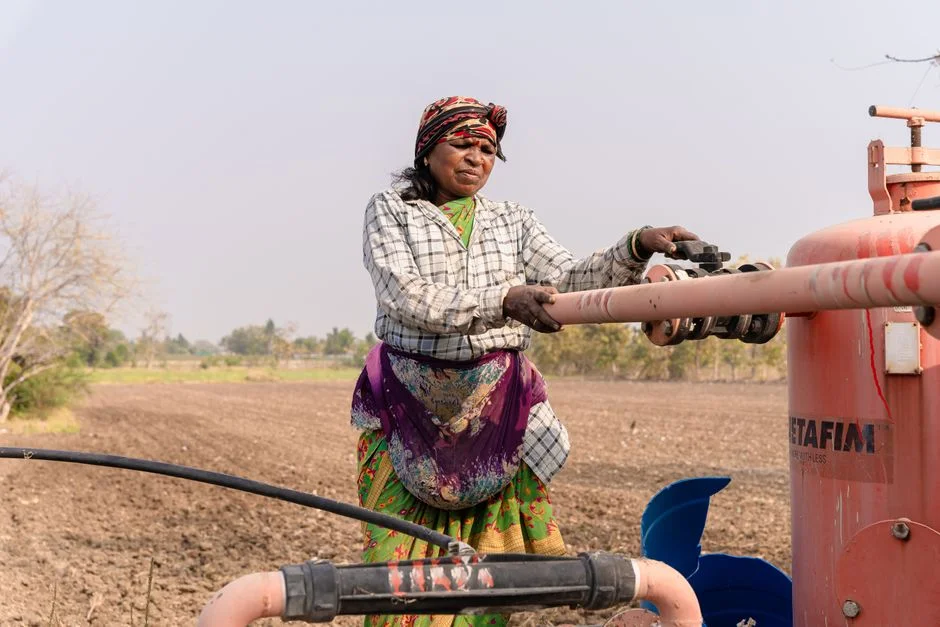
For ordinary Indians, the stakes are concrete. Fertiliser accounts for a substantial portion of cultivation costs for rice, wheat, and cotton growers in Punjab, Haryana, and Uttar Pradesh. A more reliable and competitively priced supply could translate into lower seed and chemical expenses at the district level.
How the FTA Changes the Trade Landscape
India and Oman concluded negotiations on the Comprehensive Economic Partnership Agreement (CEPA) in late 2023, with legislators in both nations ratifying the deal over the following months. Under the agreement, tariffs on most petrochemical products drop to zero immediately, while agricultural inputs face phased reductions over three years. The Oman Chamber of Commerce said the deal could double bilateral trade within five years, from roughly $12 billion in 2023 to above $25 billion.
Indian exporters gain improved access to Omani markets for textiles, engineering goods, and pharmaceuticals. The offset is a commitment by New Delhi to open its retail sector to greater Omani investment, a provision that has already drawn criticism from domestic small traders.
Who Stands to Gain in India
The fertiliser sector presents the clearest domestic benefit. Indian Farmers Fertiliser Cooperative (IFFCO), one of the country's largest farm input suppliers, expects to negotiate bulk purchase agreements with Omani producers by the end of the quarter. That could push retail prices for urea down by an estimated 8 to 12 percent at rural cooperative stores, according to preliminary assessments circulated among ministry staff.
Plastics manufacturers in Gujarat and Maharashtra also stand to benefit. Lower methanol and polymer prices would reduce costs for companies producing packaging, pipes, and synthetic fibres. Consumer goods ranging from water tanks to automotive components could follow.
Local Economies Feel the Ripple
In the industrial belt around Kandla and Mundra ports in Gujarat, logistics operators are already adjusting. Shipping agents report a surge in enquiries from Omani freight companies seeking warehouse space. Local taxi and catering businesses near port complexes say they are hiring temporary staff in anticipation of increased cargo handling activity.
Farming communities are watching cautiously. Some cooperative leaders in Andhra Pradesh and Telangana note that lower fertiliser prices only help if the quality of imported product matches domestic standards. They want clearer quality certification processes before committing to long-term supply contracts with Omani firms.
What Comes Next for the Partnership
Both governments have established a joint trade committee to monitor implementation and address disputes over product standards or customs classification. The next scheduled meeting takes place in Muscat within four months. Officials from India's Ministry of Chemicals and Fertilisers will present a progress report to Parliament's standing committee on commerce before the monsoon session concludes.
For Indian households, the real test will appear on shop shelves and in harvest reports over the next two growing seasons. If Oman's promised supply surge holds, shoppers could see modestly lower prices for packaged goods, while millions of farmers gain more predictable input costs ahead of the kharif planting cycle.
See Also
- Google Lets Gmail Users Change Their Usernames — and It’s a Game-Changer
- Cyberabad Police Return Lost Phones Worth ₹3.04 Crore to Owners - What It Means for Citizens
Some cooperative leaders in Andhra Pradesh and Telangana note that lower fertiliser prices only help if the quality of imported product matches domestic standards. That could push retail prices for urea down by an estimated 8 to 12 percent at rural cooperative stores, according to preliminary assessments circulated among ministry staff.Plastics manufacturers in Gujarat and Maharashtra also stand to benefit.