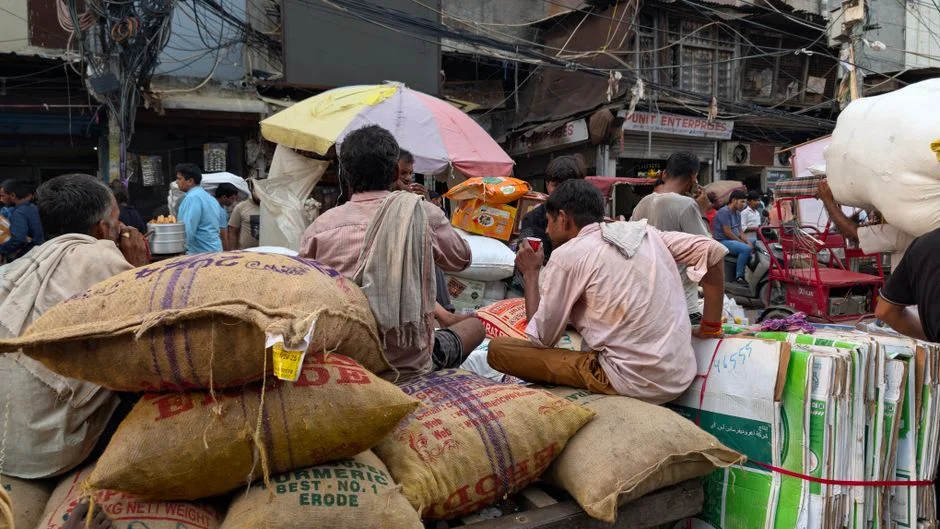
India's government has imposed fresh import restrictions on silver, making it harder for traders and manufacturers to bring the metal into the country without explicit government clearance. Separately, the Directorate General of Foreign Trade (DGFT) announced that imports of certain grains and powdered products will now require prior approval before shipment. Both changes take effect within weeks and target the flow of goods that officials say threatens domestic industries and.
New Rules Hit Silver Imports Directly
The Ministry of Commerce and Industry confirmed that effective 15 June 2025, all silver imports—including unwrought silver, silver bars, and silver alloys—fall under the restricted category. Importers must now apply to the DGFT for a licence before placing orders with overseas suppliers. Previously, silver entered India under the open general licence framework with minimal oversight.
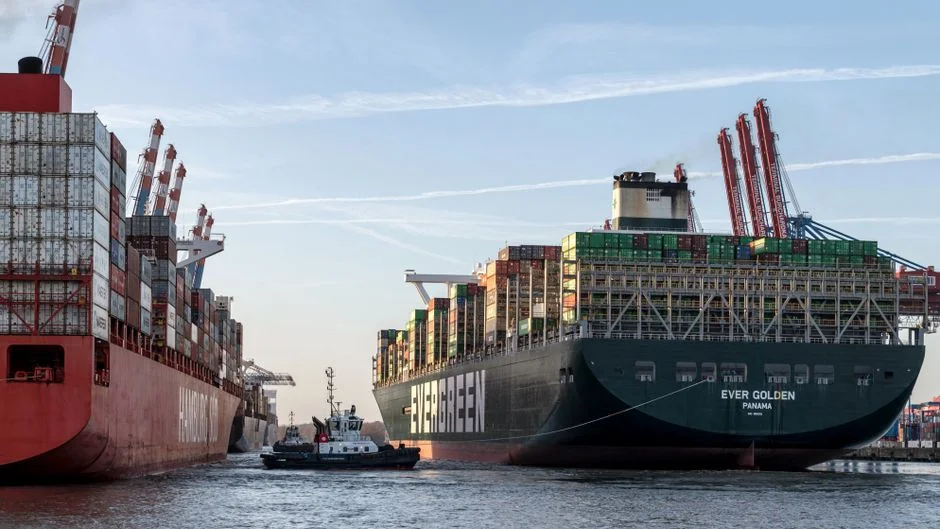
The decision affects jewellers in Jaipur, Mumbai, and Kolkata who rely on imported silver for wedding season inventory. It also hits electronics manufacturers in Noida and Hyderabad who use silver paste in circuit boards. The move mirrors restrictions introduced on gold imports in recent years, which forced a rethink among importers and eventually stabilised India's current account deficit.
Trade data from the Ministry shows silver imports reached 6,200 metric tonnes in the fiscal year ending March 2024, valued at approximately $4.1 billion. That makes India one of the world's largest silver buyers, a position that now hangs in the balance as the new approval process creates bottlenecks at customs.
DGFT Approval Replaces Open Licensing for Grains
In a companion notice published in the official gazette, the DGFT said imports of select grains—including broken rice, yellow maize, and barley—will move from the free category to the restricted list. Powdered food products such as malted wheat flour and certain milk powder formulations also require prior authorisation starting 1 July 2025.
The notice, signed by Director General of Foreign Trade Rajesh Agrawal, stated that the restrictions aim to protect domestic farmers and prevent flooding of the market during harvest periods. Importers must submit applications detailing their end-use, quantity requirements, and storage capacity. The DGFT will process applications within 30 days under the new regime.
Who Stands to Lose Under the New Rules
Food processors in Punjab and Tamil Nadu that imported commodity inputs face the most immediate disruption. A flour mill owner in Ludhiana told local media the approval requirement adds weeks to supply chains that previously moved within days. Restaurants and bakeries in metro areas that depend on specialised imported grain blends for Western-style products may see ingredient costs rise as availability tightens.
The changes also affect trading houses operating out of Chennai and Kandla ports, where bulk grain shipments typically clear customs within 48 hours. Customs officials at both ports confirmed they have been briefed on the new documentation requirements and expect clearance times to double initially.
Government Cites Trade Deficit Concerns
Commerce Minister Piyush Goyal defended the restrictions in parliament on Tuesday, saying India cannot allow unchecked imports to undercut farmers who faced erratic monsoon patterns this season. "We will not allow cheap foreign grain to destroy livelihoods in Andhra Pradesh, Maharashtra, and Bihar," Goyal told the Lok Sabha. "These measures protect both farmers and the broader economy."
The Reserve Bank of India had flagged rising import bills as a pressure point in its February monetary policy review. Silver alone accounted for nearly 0.8% of India's total goods imports last year. Curbing that surge could ease pressure on the rupee, which traded at 83.2 against the dollar on Wednesday, near its lowest level in six months.
Industry Pushback and Market Reaction
The Gems and Jewellery Export Promotion Council called the silver restrictions "retrograde" and warned that manufacturers in Surat—a city that employs over 700,000 people in the diamond and jewellery trade—will struggle to source raw material. The All India Gem and Jewellery Domestic Council estimated that jewellery units could face a 20% drop in production if approvals take longer than a month.
Commodity exchanges in India responded quickly. Silver futures on the Multi Commodity Exchange fell 3.4% on Wednesday, their sharpest single-day decline since November. Spot silver prices in Zaveri Bazaar, Mumbai's historic gold and silver market, rose by ₹180 per 10 grams as traders anticipated a supply squeeze.
On the grain side, the Roller Flour Millers Federation of India warned that bakeries and pasta manufacturers will pass higher costs to consumers. Wheat flour imported from Australia and Ukraine—used in premium bread products sold in supermarkets across Karnataka and Gujarat—now faces an uncertain future under the new licensing regime.
What Importers Must Do Now
Traders holding existing purchase orders for silver should contact their freight forwarders immediately. The DGFT has set up an online portal for licence applications, though industry groups report the system has experienced delays since launching. Applicants must provide a certificate of origin, a commercial invoice, and evidence of domestic storage capacity.
For grain importers, the window is tighter. Any shipment arriving after 1 July without prior DGFT clearance risks being held at port or returned to origin at the importer's expense. Customs brokers in Mumbai and Kolkata say they are scrambling to brief clients on documentation requirements before the deadline arrives.
Watch for Delayed Approvals and Inflation Pressure
The true test of these policies will emerge over the next three months. If the DGFT processes applications within its stated 30-day window, disruption may be limited. But if backlogs develop—as they did when gold import rules were tightened in 2013—silver prices in domestic markets could climb further, hitting small artisans worst. Grain prices, already volatile due to uneven monsoon coverage across Rajasthan and Gujarat, may add to food inflation readings that the RBI monitors closely for interest rate decisions.
India's next trade policy review is scheduled for September, when parliament's Standing Committee on Commerce will hear testimony from industry bodies. Until then, importers of silver, grains, and powdered products must navigate a system that did not exist six weeks ago.
See Also
- Indian Hotel Staff Arrested After Offering Teen Sex for Discounted Room Rates
- Matsunyane Unveils Bold New Plays on Identity and Trauma in Joburg
"These measures protect both farmers and the broader economy."The Reserve Bank of India had flagged rising import bills as a pressure point in its February monetary policy review. Silver alone accounted for nearly 0.8% of India's total goods imports last year.