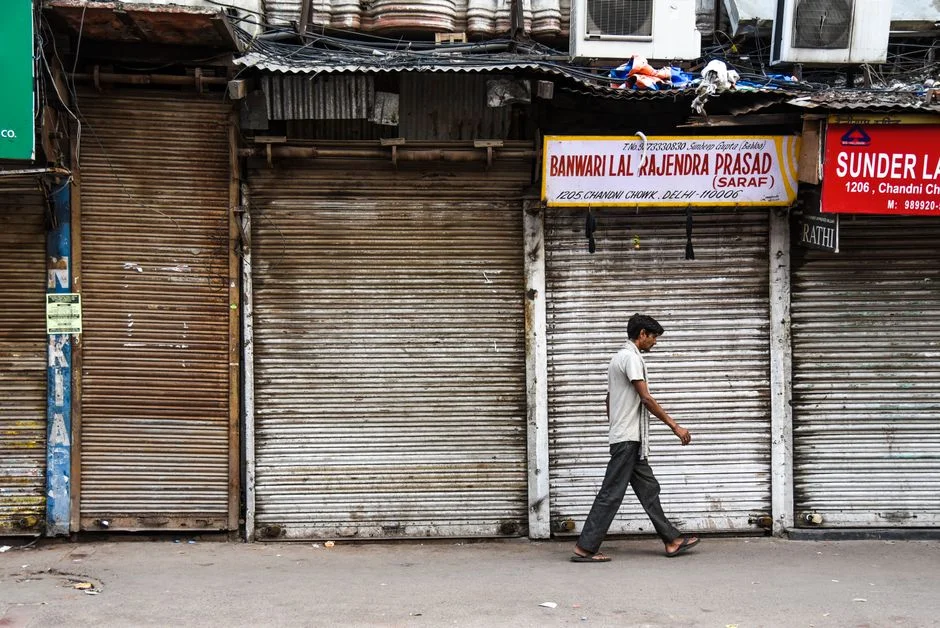
Increasing temperatures in India have led to a staggering 3,400 casualties in a single day, as the country battles an unprecedented heatwave. This alarming trend highlights the severe impact of climate change on public health and safety, prompting urgent action from local communities and the government.
Unrelenting Heatwave Grips Northern India
The northern states of India, particularly Delhi and Uttar Pradesh, are reeling under extreme temperatures that have soared above 45 degrees Celsius. Since the beginning of April, the heat has claimed thousands of lives, with health officials struggling to cope with the rising number of heat-related illnesses. The Indian Ministry of Health has confirmed that hospitals are seeing an influx of patients suffering from dehydration, heat exhaustion, and heatstroke.

In Delhi, where temperatures have consistently exceeded 46 degrees Celsius, residents are facing power outages as the demand for air conditioning soars. Local authorities have reported that electricity consumption reached an all-time high of 12,000 megawatts, straining the power supply and leading to further community unrest.
Societal Impact on Vulnerable Communities
The heatwave has disproportionately affected vulnerable groups, including the elderly and those living in informal settlements. Many families lack access to basic cooling facilities, increasing their risk of heat-related illnesses. In slums across Delhi, residents report struggling to secure even minimal access to water, as municipal supplies dwindle under the pressure of soaring temperatures.
Community organisations have begun to step in, providing water and medical assistance to those in need. The President of the NGO Help India, Anand Kumar, stated, "We are witnessing a crisis that requires immediate action. Our teams are working tirelessly to provide basic necessities to affected families, but we need more support from the government and the public."
Economic Consequences of the Heatwave
The extreme heat is not only a health crisis but also an economic one. Agricultural productivity is suffering as crops wilt under the relentless sun. Farmers in states like Punjab and Haryana, major contributors to India’s wheat supply, have reported significant yield losses. The Indian Agricultural Ministry has noted that wheat production could drop by as much as 20% this year if temperatures remain this high.
These agricultural setbacks are expected to exacerbate food prices, already under pressure due to inflation. Local markets in cities such as Kanpur are experiencing price surges, with essentials like fruits and vegetables seeing increases of up to 30% in recent weeks.
Government Response and Public Health Initiatives
The Indian government has begun implementing emergency measures to mitigate the impacts of the heatwave. Temporary cooling centres are being established in several cities to provide relief for those without adequate shelter. The Ministry of Health has also launched awareness campaigns urging citizens to stay hydrated and avoid outdoor activities during peak heat hours.
Despite these initiatives, critics argue that the response is too slow and insufficient. Climate activist Priya Rao remarked, "The government must adopt a more proactive approach. We need long-term solutions to combat the increasing frequency of heatwaves, not just temporary fixes."
Future Implications and What to Watch
As India grapples with these extreme weather conditions, the potential for further health crises looms large. The Indian Meteorological Department (IMD) has warned that heatwaves may persist, with no immediate relief in sight. Citizens are urged to remain vigilant as temperatures are projected to stay above average for the coming weeks.
Looking ahead, the government’s response to climate change will be crucial. With the monsoon season approaching, how effectively India manages its water resources and public health campaigns could determine the resilience of communities across the country. The urgency for systemic change has never been greater.
See Also
- Pretoria Transforms Empty Plots Into Community Gardens — Feeding Local Schools
- Bihar Police Confirms Exam City Slip Release — 4,236 Vacancies Await Candidates
Farmers in states like Punjab and Haryana, major contributors to India’s wheat supply, have reported significant yield losses. Local markets in cities such as Kanpur are experiencing price surges, with essentials like fruits and vegetables seeing increases of up to 30% in recent weeks.Government Response and Public Health InitiativesThe Indian government has begun implementing emergency measures to mitigate the impacts of the heatwave.