For over a century, Mumbai's dabbawalas have been a lifeline for millions, delivering home-cooked meals to office workers across the city. However, the COVID-19 pandemic and changing work patterns have forced many of these workers out of business, threatening not just a beloved local institution but also the livelihoods of those who depend on it.
Who Are the Dabbawalas?
The concept of dabbawalas, established in 1890, involves a network of over 5,000 delivery personnel transporting approximately 200,000 lunch boxes each day. These workers, recognised for their distinctive white uniforms and the unique way they sort and deliver meals, have long been celebrated for their logistical efficiency and reliability.
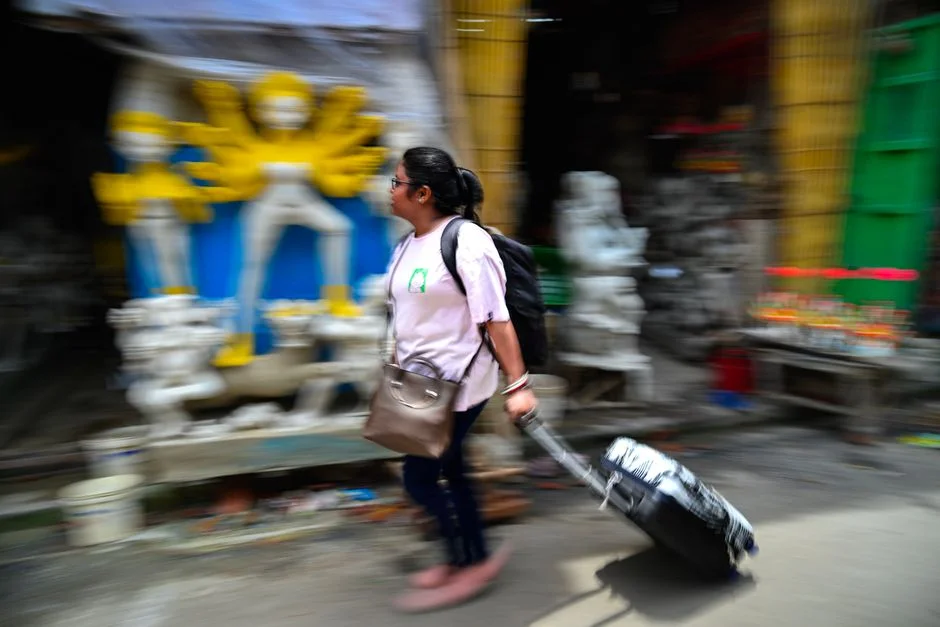
The Mumbai-based system operates with a remarkable success rate, boasting a delivery accuracy of 99.99%. Each dabbawala carries around 30 lunch boxes, which are picked up from homes and delivered to offices. This cultural phenomenon has become an integral part of daily life in Mumbai, showcasing the city's rich culinary heritage.
The Impact of COVID-19
The pandemic has dramatically altered life in Mumbai. Lockdowns and remote work have resulted in a sharp decline in demand for dabbawala services. According to the Dabbawala Association, the number of deliveries plummeted by over 80% during the height of the pandemic. With fewer people commuting to offices, many dabbawalas found themselves without work.
As a result, numerous workers have turned to alternative forms of employment, notably in the gig economy, which often does not offer the security and benefits they had previously enjoyed. This shift not only affects the workers but also families who rely on these incomes to meet their daily needs.
Community Response and Adaptations
The dabbawalas have not gone quietly into the night. In response to the changing landscape, some have adapted by diversifying their services, offering meal delivery directly to households. Others have explored partnerships with local restaurants to cater to a wider audience.
In some cases, dabbawalas have come together to create community kitchens, providing affordable meals for the underserved in Mumbai. Such initiatives have not only helped sustain their operations but have also reinforced the community spirit that dabbawalas are known for.
Economic Ripple Effects
The decline of the dabbawala system reverberates beyond the immediate workforce. Many small businesses, such as local caterers and suppliers of lunch ingredients, rely on the dabbawalas for their survival. As these deliveries decrease, it threatens the local economy, particularly in areas dependent on the food supply chain.
Moreover, the disappearance of the dabbawalas could alter the culinary landscape of Mumbai, where home-cooked meals have traditionally held a place of pride. With their decline, many worry about a shift towards less wholesome, commercially prepared food options.
Preserving a Legacy
As the dabbawala system faces uncertainty, local leaders and organisations are calling for support to preserve this unique trade. Initiatives aimed at reviving the delivery system are being discussed, including government subsidies and community awareness campaigns, to encourage people to continue using their services.
Supporters argue that safeguarding the dabbawalas' legacy is not just about maintaining a historical aspect of Mumbai but also about protecting the livelihoods of thousands of workers who have become synonymous with the city's identity.
Looking Ahead
The future of Mumbai's dabbawalas remains uncertain. As the city continues to adapt to post-pandemic realities, residents will need to engage with and support this vital service if it is to survive. With the economy slowly reopening, one question looms: will the dabbawalas be able to reclaim their place in the bustling life of Mumbai?
As they navigate these challenges, community support and innovative solutions will be crucial in determining their long-term viability. Observers will be watching closely to see if this iconic system can adapt and thrive in a new era.
See Also
- Xiaomi unveils humanoid robots working independently in factories: what it means for jobs
- Gujarat Launches Digital Census Drive — Your Data Changes Now
Others have explored partnerships with local restaurants to cater to a wider audience.In some cases, dabbawalas have come together to create community kitchens, providing affordable meals for the underserved in Mumbai. Such initiatives have not only helped sustain their operations but have also reinforced the community spirit that dabbawalas are known for.Economic Ripple EffectsThe decline of the dabbawala system reverberates beyond the immediate workforce.