Trade discussions between India and the United States are set to resume on June 1, as both nations aim to finalise an interim agreement that could significantly impact local economies. The senior officials involved in the negotiations are optimistic that this pact will enhance trade ties and address concerns about tariffs affecting various sectors.
Negotiations Set to Advance Key Trade Issues
The upcoming talks will focus on critical issues, including tariffs on agricultural products, technology transfers, and intellectual property rights. US Trade Representative Katherine Tai will lead the American delegation in New Delhi, while India's Commerce Minister Piyush Goyal will represent India. This level of engagement signals a strong commitment from both sides to forge a mutually beneficial agreement.
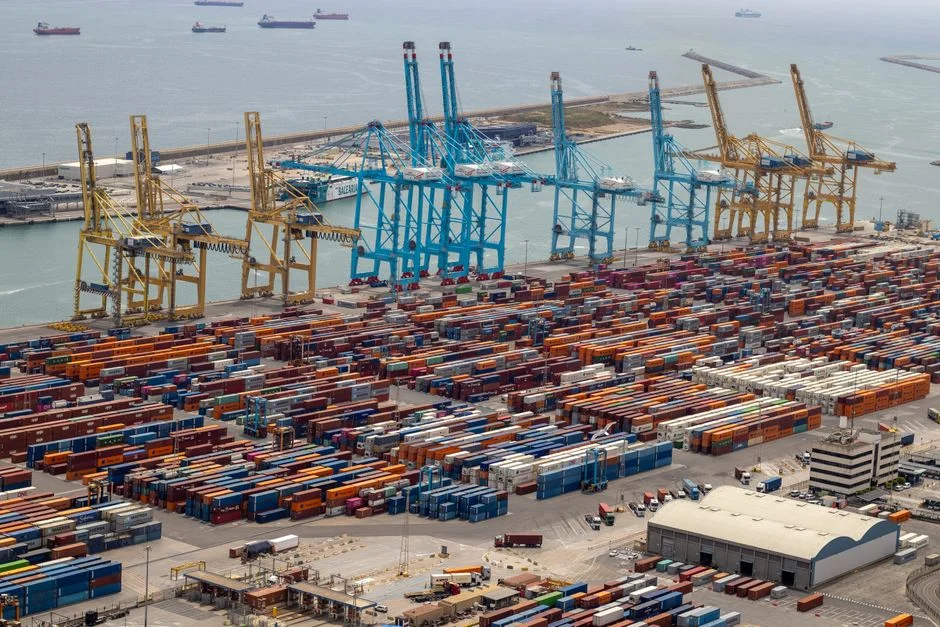
Both countries have previously faced challenges in trade relations, with the US imposing tariffs on Indian steel and aluminium exports. In response, India has sought to balance its trade policies in order to protect its local industries while also pursuing opportunities for growth in international markets.
Local Economic Impact of the Trade Pact
A successful agreement could lead to a surge in exports from India, especially in sectors like textiles and IT services. According to the Ministry of Commerce, a 10% increase in exports could create approximately 1.5 million jobs over the next few years. This potential job growth is crucial, particularly for regions heavily reliant on manufacturing and service sectors.
Small and medium enterprises (SMEs) in states like Gujarat and Tamil Nadu are among those that could benefit most from reduced tariffs and increased access to US markets. Business owners express cautious optimism, stating that lower barriers could enhance competitiveness and drive local economic growth.
Concerns Over Domestic Markets
While many welcome the potential benefits, some fear that an influx of US goods could disrupt local markets. Farmers in Punjab and Haryana have raised concerns that cheaper agricultural imports may undermine local produce prices. Their apprehensions highlight the need for protective measures within the trade agreement to ensure that smallholders are not adversely affected.
Trade analyst Raghavendra Mehta suggested that the interim pact should include provisions to safeguard sensitive sectors. “It’s essential that local livelihoods are protected while we pursue enhanced trade relationships,” he noted. Engaging with various constituencies will be vital as negotiations progress.
Community Reactions Across India
Community responses have been varied, with many expressing hope for economic improvement, while others voice concerns over potential job losses. In urban centres, where IT and service industries thrive, professionals are more optimistic about the prospects of job creation from an expanded trade framework.
Conversely, in rural areas, the response is more cautious. Local activists have called for transparency in the negotiations, emphasising the importance of keeping citizens informed about possible changes that could impact their livelihoods. “We need to ensure that the voices of local communities are heard,” said farmer leader Preeti Singh during a recent rally in New Delhi.
The Role of Technology in Future Trade
Another critical aspect of the upcoming talks is the focus on technology and innovation. Both nations are keen on collaborating in sectors such as digital trade and cybersecurity. This partnership is expected to open avenues for Indian tech companies to tap into the US market and bolster innovation at home.
Reports indicate that the Indian technology sector anticipates significant investment opportunities, potentially increasing its market share in the US by up to 20% within the next two years if trade barriers are reduced. This aspect of negotiations is likely to resonate with entrepreneurs and tech professionals, who see immense growth potential.
What to Expect Moving Forward
The resumption of trade talks on June 1 marks a pivotal moment for India and the US. Over the coming weeks, stakeholders will be closely monitoring the outcomes of these discussions and their implications for various sectors. The finalisation of an interim agreement could set the stage for more extensive negotiations in the future.
As trade representatives from both countries prepare for the talks, citizens across India are urged to stay informed about developments that may affect their jobs, industries, and communities. The outcomes of these discussions may shape economic prospects for many, making it essential to engage in public discourse around trade policies.
See Also
- Landslide in Equatorial Guinea Kills Mother and Six Children — Families in Shock
- Sundowns Set to Face Stade Malien in Upcoming Premiership Match
Local activists have called for transparency in the negotiations, emphasising the importance of keeping citizens informed about possible changes that could impact their livelihoods. This partnership is expected to open avenues for Indian tech companies to tap into the US market and bolster innovation at home.Reports indicate that the Indian technology sector anticipates significant investment opportunities, potentially increasing its market share in the US by up to 20% within the next two years if trade barriers are reduced.