India and Oman have finalised a trade agreement aimed at enhancing economic ties while circumventing the strategically critical Strait of Hormuz. Signed in Muscat on Thursday, the pact is expected to significantly change trade dynamics between the two countries, with Oman emerging as a viable alternative route for goods heading to the Gulf region.
Benefits of the India-Oman Trade Pact
The trade agreement is poised to benefit various sectors, including agriculture, textiles, and pharmaceuticals. The Omani Minister of Commerce, Qais bin Mohammed al-Yousef, confirmed that the pact aims to increase bilateral trade from the current $3 billion to $5 billion over the next five years. This increase could stimulate local economies and boost job creation in both nations.
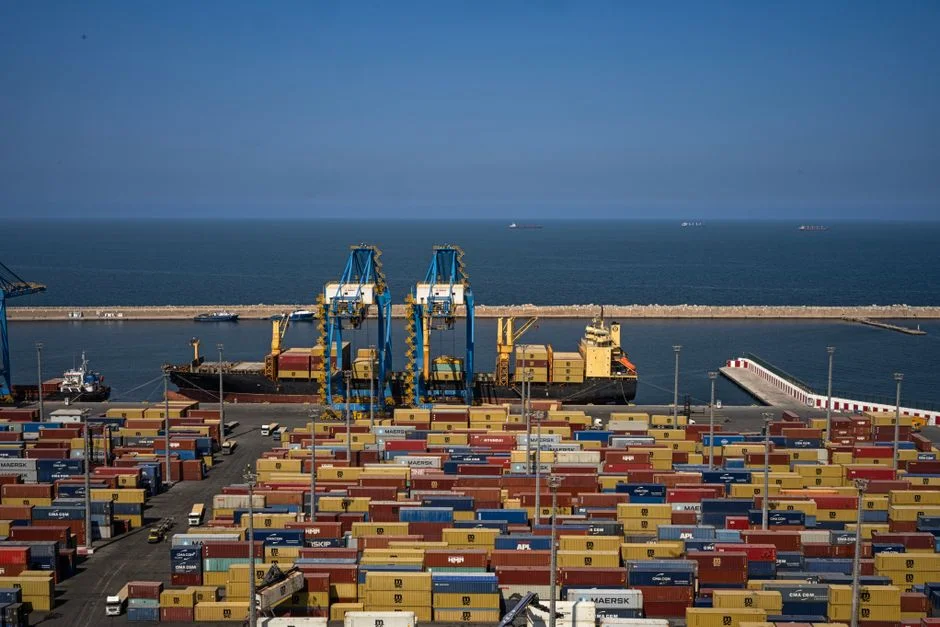
Oman’s strategic location enables it to serve as a gateway for Indian products to the Gulf Cooperation Council (GCC) markets. By leveraging Oman’s ports such as Duqm and Salalah, India can reduce shipping times and costs. This is particularly vital for perishable goods, where transit times directly impact product viability.
Community Impact in Oman
Omani communities stand to benefit from this trade agreement. The influx of Indian goods is expected to stimulate local markets, benefiting small retailers and consumers alike. Enhanced trade is likely to lead to lower prices and greater variety of products available in the market. Small business owners in Muscat expressed optimism about the new opportunities for trade.
As Oman diversifies its economy away from oil dependency, this pact aligns with its Vision 2040 plan, which seeks to enhance the role of non-oil sectors. The local workforce may see increased job opportunities as businesses expand to accommodate the surge in trade.
Regional Economic Shifts
The deal comes at a time when geopolitical tensions in the Gulf are on the rise, particularly concerning the Strait of Hormuz. Approximately 20% of the world's oil passes through this narrow passage, making it a crucial chokepoint. By establishing a trade route through Oman, India and Oman are mitigating risks associated with those tensions.
Trade experts argue that this agreement could encourage other nations to review their trade routes and logistics strategies. In doing so, they could strengthen regional economic ties and reduce dependency on the strained trade channels typically used.
Expected Challenges Ahead
While the pact opens new avenues for trade, challenges remain. Regulatory hurdles and infrastructure development in Oman will need to be addressed to facilitate smoother trade flows. Local businesses may require support and training to adapt to the influx of new products and the corresponding demand.
Furthermore, potential economic fluctuations due to global market changes can impact the success of this new route. Continued collaboration between Indian and Omani authorities will be essential to tackle these challenges effectively.
What’s Next for the India-Oman Partnership?
The next steps involve detailed discussions on practical implementations of the trade agreement, which would include tariff structures and customs cooperation. Both countries are looking at a timeline of six months to establish these frameworks, aiming for full operational capability by mid-2024.
As this partnership progresses, it will be critical for both Indian and Omani citizens to stay informed about any changes affecting local economies and supply chains. Businesses are encouraged to prepare for an evolving trade environment and to explore the benefits of this new partnership.
See Also
- Passos Challenges Montenegro As for Control — What It Means for Local Communities
- Bantu Holomisa Jokes About No-Confidence Motions at Mosiuoa Lekota Memorial - Joburg Impact Explained
The local workforce may see increased job opportunities as businesses expand to accommodate the surge in trade.Regional Economic ShiftsThe deal comes at a time when geopolitical tensions in the Gulf are on the rise, particularly concerning the Strait of Hormuz. By establishing a trade route through Oman, India and Oman are mitigating risks associated with those tensions.Trade experts argue that this agreement could encourage other nations to review their trade routes and logistics strategies.