On International Peacekeepers Day, observed on May 29, India reiterated its strong commitment to United Nations peacekeeping missions. The Indian Ministry of External Affairs highlighted the nation's role in global peace and security, underscoring the importance of these missions in fostering stability in conflict-affected regions.
India's Active Role in Peacekeeping
India has deployed over 250,000 personnel in 49 UN peacekeeping missions since 1948, making it one of the largest contributors to these missions. With troops currently stationed in various global hotspots, India plays a crucial role in maintaining peace in regions like South Sudan and the Democratic Republic of Congo.
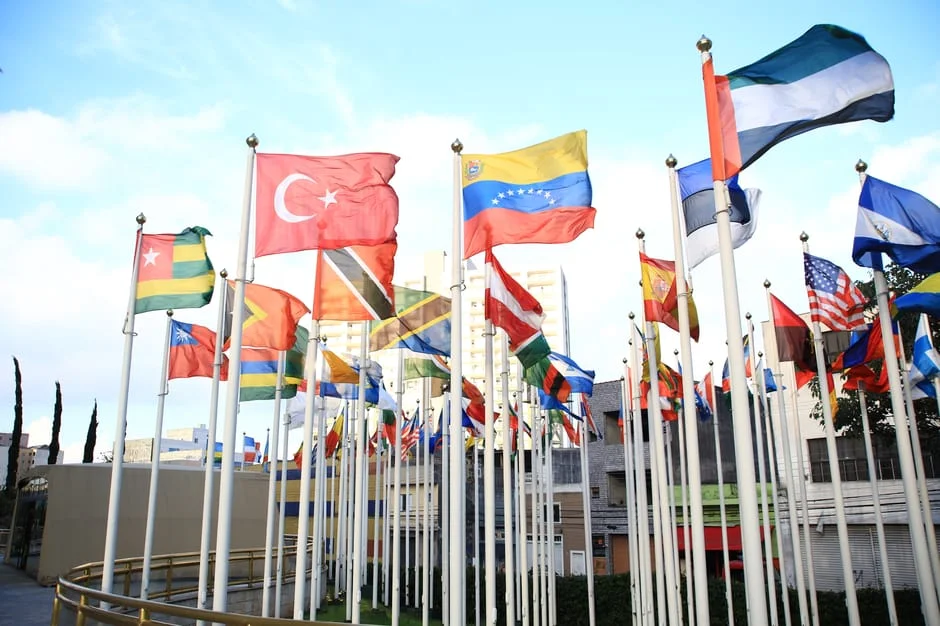
This commitment is not merely a matter of military presence; it reflects India’s broader strategic interests and its desire to enhance its international standing. The recent statement from the Ministry confirms that India will continue to support peacekeeping efforts, especially in Africa and the Middle East, where conflicts often lead to humanitarian crises.
Local Impact of Peacekeeping Missions
For citizens in India, the focus on peacekeeping translates into national pride and recognition on the global stage. It also opens doors to potential economic benefits through deeper ties with nations involved in these missions. Local manufacturing sectors could see increased demand for military equipment and supplies used in peacekeeping roles.
Moreover, Indian peacekeepers often bring back valuable experiences that enhance local military training and humanitarian efforts. The government’s investment in peacekeeping fosters a sense of community among veterans and active personnel, promoting social cohesion.
Challenges Faced by Peacekeepers
Despite its robust commitments, India faces challenges in peacekeeping operations. Security threats in conflict zones remain high, leading to casualties among peacekeepers. In recent years, the death of Indian troops in violent clashes has raised concerns over their safety and the adequacy of UN support.
India has been vocal about the need for better resources and training for peacekeepers, emphasizing that enhancing the capabilities of these missions is vital for their success. This appeal has been echoed in various international forums, where India seeks to rally support for reforms in UN peacekeeping frameworks.
Community Responses to International Peacekeepers Day
On the ground, communities in India are increasingly aware of their role in peacekeeping. Schools and local organisations held events highlighting the contributions of peacekeepers, fostering a culture of respect and admiration. Students participated in discussions and programmes, engaging with veterans and families of peacekeepers.
These initiatives aim not only to educate the youth but also to cultivate a sense of responsibility towards global peace. Citizens are encouraged to reflect on the sacrifices made by Indian peacekeepers and to contribute to a peaceful society at home.
Future Prospects for Peacekeeping
Looking ahead, India aims to enhance its contributions to peacekeeping missions, particularly as global conflicts evolve. The UN has outlined plans that include the deployment of more technologically equipped units to assist peacekeepers. India is expected to play a key role in these developments.
As the international community prepares for future peacekeeping operations, stakeholders should watch for India’s participation in upcoming discussions at the UN regarding peacekeeping reforms. The next session is scheduled for this September, where India will advocate for enhanced support for peacekeepers and greater recognition of their contributions.
See Also
- NEET Leak Exposes Nashik to Gurugram Courier Chain
- Western Province Rugby Team Withdraws from Currie Cup: What It Means for Local Fans
In recent years, the death of Indian troops in violent clashes has raised concerns over their safety and the adequacy of UN support.India has been vocal about the need for better resources and training for peacekeepers, emphasizing that enhancing the capabilities of these missions is vital for their success. Schools and local organisations held events highlighting the contributions of peacekeepers, fostering a culture of respect and admiration.