During a visit to New Delhi, US Ambassador to India, Eric Garcetti, announced that a comprehensive trade agreement between the United States and India is expected to be finalised within the next few weeks. This deal aims to bolster economic ties and could significantly impact local industries and communities across India.
Trade Deal Details and Implications
The upcoming trade agreement is poised to enhance trade between the two nations, currently valued at approximately $160 billion annually. Garcetti stated that this partnership reflects a shared commitment to democracy and economic growth. The agreement aims to reduce tariffs and enhance cooperation in key sectors including technology, agriculture, and healthcare.

Local businesses in cities like Mumbai and Bengaluru are particularly eager for the benefits this deal might bring. The potential removal of tariffs could lead to an increase in exports, making Indian products more competitive in the US market. For instance, agricultural exporters are hopeful that reduced barriers will improve access for Indian fruits and vegetables.
Impact on Local Jobs and Industries
This trade deal has the potential to create thousands of jobs across various sectors. The Indian Ministry of Commerce indicated that the increase in trade activity could result in substantial job growth in manufacturing and services. With unemployment rates hovering around 7%, this deal could provide a much-needed boost to the labour market.
However, not all sectors may benefit equally. Analysts caution that while certain industries will thrive, others may face challenges due to increased competition from US imports. For example, small-scale manufacturers may struggle to compete against larger US firms, which could impact their sustainability.
Community Responses
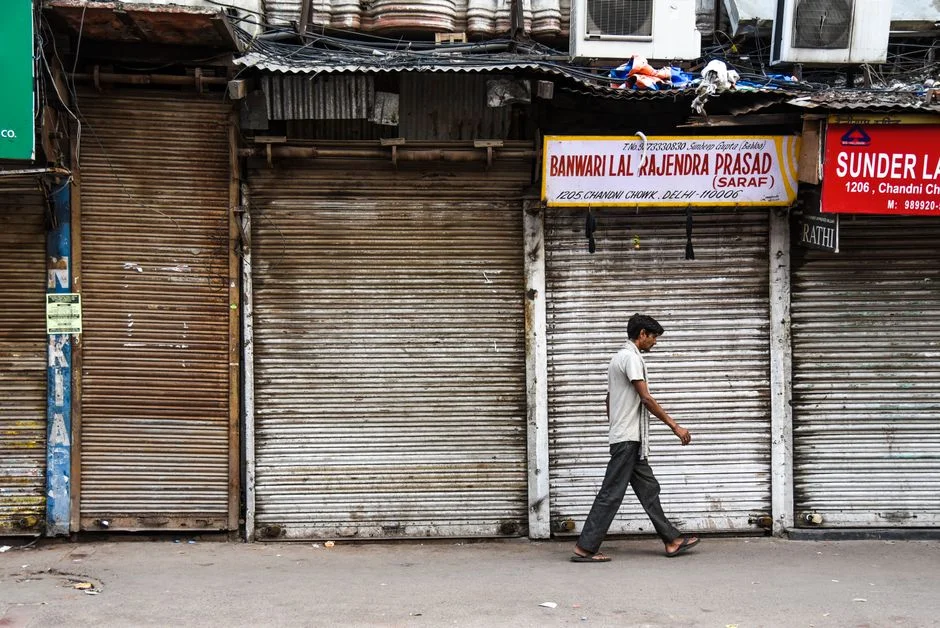
Communities across India are reacting with cautious optimism. In Delhi, small business owners express hope that the deal will lead to improved infrastructure and support for local enterprises. Many believe that governmental backing will be crucial in helping them leverage new opportunities.
Consumer groups, however, are concerned about the implications of increased imports on local prices. Activists are urging the government to ensure that local products remain affordable and accessible amid these changes.
Potential Challenges Ahead
While the trade deal heralds positive prospects, it may also usher in regulatory challenges. Navigating the complexities of international agreements and ensuring compliance with US standards will require significant effort from Indian exporters.
Additionally, there are issues related to intellectual property rights that need addressing. Protecting local innovations while aligning with US regulations could pose a significant obstacle in the negotiation process, which might delay finalisation.
What to Watch For
As negotiations progress, stakeholders will be watching closely for the specifics of the agreement, particularly how it will cater to both large corporations and small businesses. The expected finalisation date will be crucial for many local enterprises that are planning their next steps based on the outcome.
The next few weeks will be significant as the United States and India work towards sealing this deal. The implications for the local economy and communities will unfold, and citizens should stay informed to understand how these changes will affect their daily lives.
See Also
- Israeli Strikes Force Closure of Beirut Cafe Amid Escalating Tensions
- Nedbank Joins Forces with Crypto.com to Transform Fintech Landscape in Africa: What It Means for Citizens
Many believe that governmental backing will be crucial in helping them leverage new opportunities.Consumer groups, however, are concerned about the implications of increased imports on local prices. For example, small-scale manufacturers may struggle to compete against larger US firms, which could impact their sustainability.Community ResponsesCommunities across India are reacting with cautious optimism.
What is the latest news about us envoy confirms trade deal with india boost to local economies ahead?
Why does this matter for business-economy?
What are the key facts about us envoy confirms trade deal with india boost to local economies ahead?