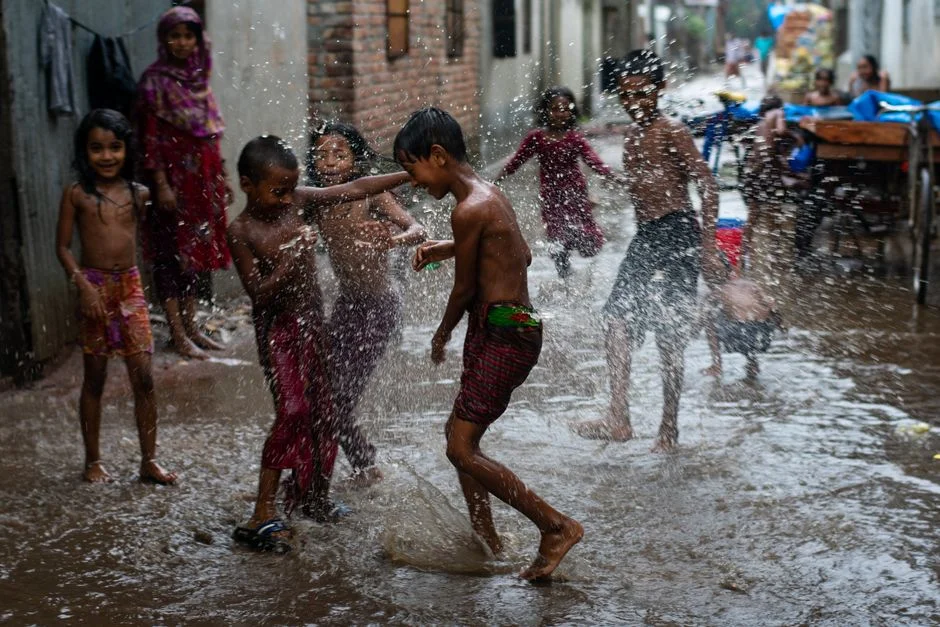
Since the ceasefire agreement between Israel and Hamas took effect, the United Nations reports that 55 children in Lebanon have lost their lives due to ongoing violence. An additional 212 children have been injured, underscoring the severe impact on local communities. The aftermath of this conflict continues to unfold, revealing significant challenges for families across Lebanon.
Tragic Toll on Children
The UN's report, released on Thursday, outlines a staggering consequence of the ongoing hostilities. Since the ceasefire, the humanitarian situation in Lebanon has deteriorated, with children bearing an unbearable burden. With 55 lives lost and over 200 injured, the innocent victims of this conflict are now a focal point for advocacy groups and local organisations.
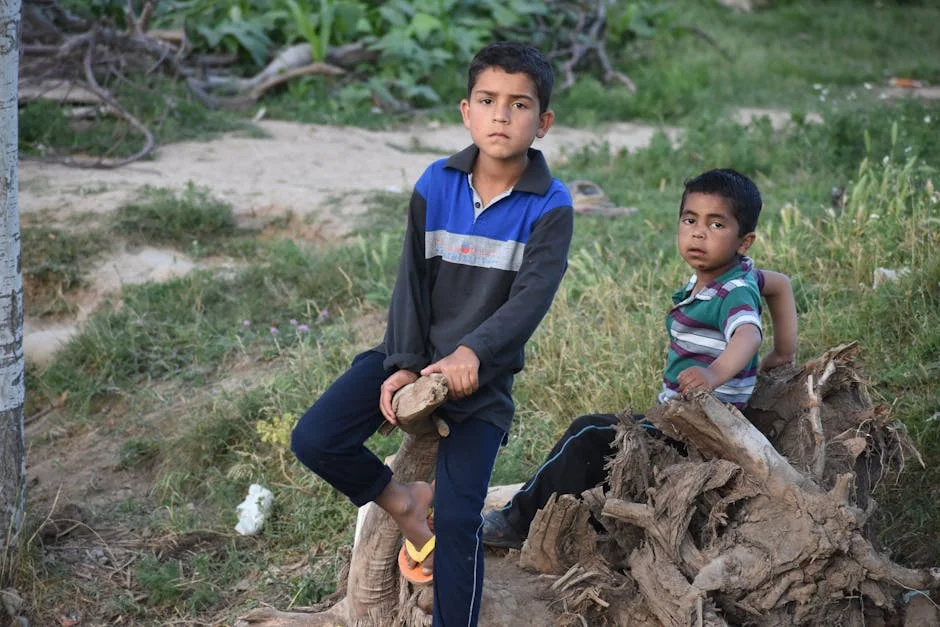
In Tyre, a southern Lebanese city, public health officials report a surge in trauma cases among children. Local hospitals struggle to cope with the influx of injured minors, a situation that has raised alarm among healthcare professionals. Dr. Samir Jabbour, a paediatrician at the Tyre hospital, stated, "These children are facing unimaginable trauma, and as a community, we must act quickly to provide the support they need."
Hezbollah's Role and Community Response
Hezbollah, a prominent political and military group in Lebanon, has been accused of fomenting ongoing tensions with Israel. Residents of affected areas, particularly in southern Lebanon, express fear and frustration over the escalating violence. Many families have been displaced, and community leaders demand immediate actions to protect civilians.
The local response has been robust, with various NGOs stepping in to provide psychological support and aid for the injured. The Lebanese Red Cross has launched initiatives aimed at addressing the immediate needs of families, including medical help and counselling services. This community-driven approach highlights the resilience of the people in the face of adversity.
Economic Implications for Lebanon
The ongoing conflict and the tragic loss of young lives are not just humanitarian crises but have dire economic implications as well. Lebanon, already grappling with a severe economic downturn, faces increased strain as aid resources are diverted to address this crisis. Local businesses in affected regions are struggling, with many fearing long-term economic repercussions.
According to recent reports, the unemployment rate in Lebanon has reached an alarming 35%, with many attributing part of this to the ongoing instability. Business owners in Tyre have voiced concern over reduced patronage as families prioritise safety and survival over commerce. This economic strain compounds the humanitarian crisis, making recovery efforts more daunting.
The Road Ahead
The international community is being urged to assist Lebanon during this critical period. Calls for humanitarian aid are growing louder, with local leaders appealing for support to help rebuild communities and restore safety for children. The UN and various international organisations have pledged to provide assistance, but the urgency of the situation cannot be overstated.
Looking ahead, citizens in Lebanon and observers worldwide will be closely monitoring the situation for signs of relief or escalation. As communities mourn the loss of young lives, the hope remains that solidarity and support will prevail in healing the wounds of this conflict.
See Also
- Three Students Challenge CBSE's Marking System — Board Forced to Respond
- CBI Arrests Two More in NEET-UG 2026 Paper Leak Scandal