The Indian government has instructed fuel retailers to maintain a stock of liquefied petroleum gas (LPG) reserves for at least 30 days. This directive comes as tensions in the Gulf escalate, raising concerns about potential supply disruptions. The Ministry of Petroleum and Natural Gas issued the order on Wednesday in response to the heightened geopolitical situation in West Asia.
Concerns Over West Asia Developments
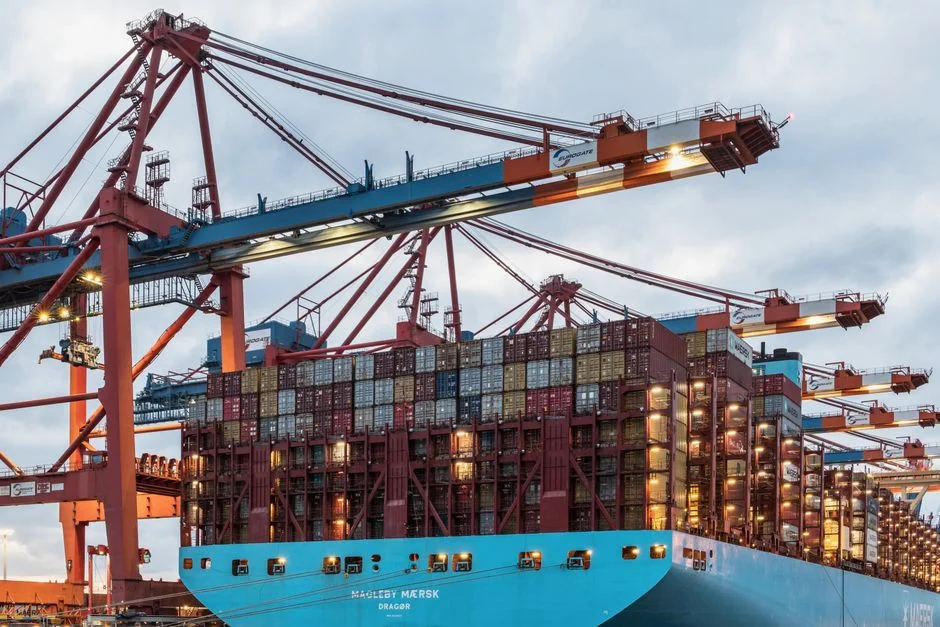
Recent developments in the Gulf region have alarmed Indian officials, particularly regarding supply chains that are critical for LPG imports. The Gulf provides approximately 70% of India's LPG consumption, making any disruption in this area particularly impactful. India’s reliance on Gulf imports underscores the necessity to ensure a secure supply amidst regional tensions.

For instance, the ongoing conflict in the Middle East has left many analysts worried about the potential for increased oil and gas prices. If tensions escalate further, the cost of LPG could rise, affecting households across India. Residents may soon feel the pinch at the gas station if suppliers do not adhere to the new reserve requirements.
Impact on Household Budgets
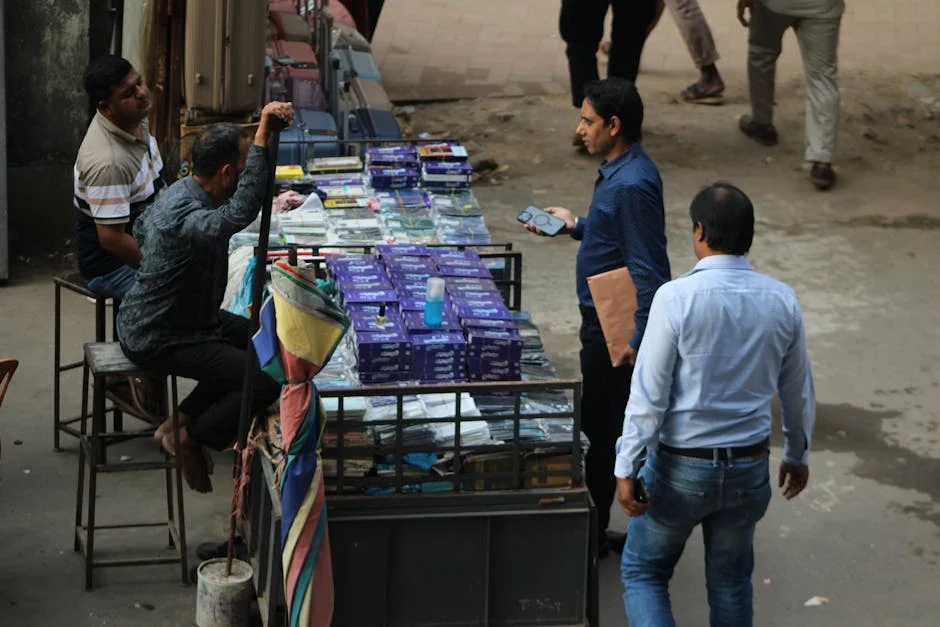
As fuel retailers adjust their stock levels, Indian families are likely to notice the impact on their monthly expenses. The average price of a domestic LPG cylinder is currently around ₹1,000, and any increase in supply costs would inevitably translate into higher prices for consumers. Households already struggling with inflation may have to reconsider their budgets if gas prices continue to climb.
Furthermore, small businesses rely heavily on LPG for cooking and heating. With an increase in prices, they may be forced to pass on these costs to customers, further affecting the local economy. The government’s push for larger reserves could alleviate some pressure, but it remains to be seen how quickly retailers can adapt.
Retailer Compliance and Local Response
The Centre's directive mandates that fuel retailers implement the 30-day stock policy by the end of this month. This timeline puts pressure on local businesses that must balance compliance with their existing inventory levels. Companies like Indian Oil Corporation and Bharat Petroleum have begun increasing their reserves, but the logistics involved in ramping up stock can be challenging.
Local communities are watching closely as retailers respond to this government mandate. Many are hopeful that increased LPG availability will prevent price surges, but skepticism exists. Some community members are concerned about whether retailers will effectively manage their reserves or simply raise prices to cover costs.
Long-Term Implications for India's Energy Security
This directive from the Ministry of Petroleum and Natural Gas is more than just a short-term fix. It raises broader questions about India’s energy security and reliance on foreign imports. As geopolitical tensions in the Gulf continue, India may need to explore alternative sources of energy or enhance domestic production capacities.
Efforts to diversify energy sources have been ongoing, but the transition to renewable energy is gradual. With the current focus on immediate LGP supply stability, the longer-term strategy may require a reevaluation of import dependencies and investment in alternative energy technologies.
What Comes Next for Fuel Prices
The next steps for both consumers and retailers will be crucial in shaping the LPG market. Fuel retailers must navigate the balance between maintaining sufficient stock and controlling prices. With the government closely monitoring compliance, consumers could see direct effects in the coming weeks.
As tensions in the Gulf remain a critical factor, citizens should also brace for potential fluctuations in fuel prices. Local economies may face challenges as businesses adjust to the new economic climate, and households prepare for possible budget adjustments.
Some community members are concerned about whether retailers will effectively manage their reserves or simply raise prices to cover costs.Long-Term Implications for India's Energy SecurityThis directive from the Ministry of Petroleum and Natural Gas is more than just a short-term fix. It raises broader questions about India’s energy security and reliance on foreign imports.