The Indian Meteorological Department (IMD) announced that India is expected to receive approximately 90% of the long-period average rainfall during the upcoming monsoon season, which runs from June to September. This forecast has significant implications for the agricultural sector, especially in regions heavily reliant on rain-fed agriculture.
The Importance of Rainfall for Farmers
For many farmers in states such as Maharashtra and Punjab, the monsoon season is critical for crop production. A healthy monsoon can lead to bumper harvests, while inadequate rainfall often results in crop failures. The IMD's prediction offers hope to farmers who have been grappling with erratic weather patterns in recent years.
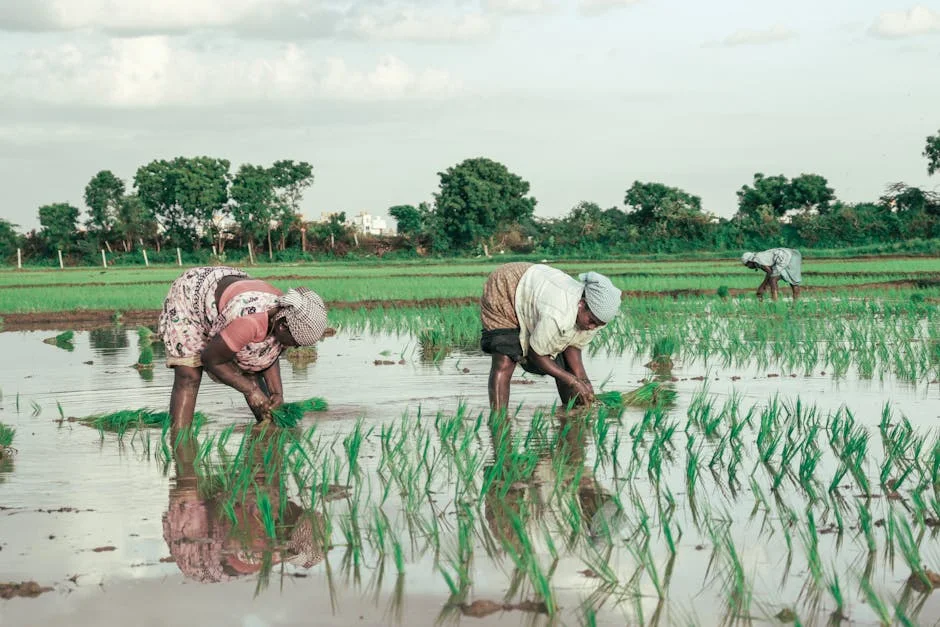
The rainfall forecast stabilises expectations for farmers who depend on the monsoon to water their fields. According to the IMD, the cumulative rainfall during this period is essential not just for crops but also for replenishing groundwater levels across the country.
Regional Variations in Rainfall
While the forecast indicates an overall good monsoon, variability in rainfall distribution across different regions is expected. Areas in southern India might receive excessive rainfall, while the northwest could see variations affecting crop yield. Farmers in regions like Tamil Nadu may need to prepare for floods, while those in Rajasthan may experience drier conditions.
Ramesh Kumar, a farmer leader in Haryana, expressed cautious optimism: "We have relied on the monsoon for generations. A good season can change our fortunes. But we must also prepare for any sudden changes." This sentiment reflects the concern that while forecasts are promising, farmers must be ready for unexpected weather events.
Economic Implications for Local Communities
The anticipated rainfall could significantly impact local economies, particularly in rural areas where agriculture is the primary source of livelihood. A successful monsoon season could lead to increased food production, boosting both local markets and the national economy.
Agricultural experts predict that a 90% rainfall can result in a 15-20% increase in crop yields for staples like rice and wheat. This could mean lower prices for consumers and a reduction in food inflation, benefiting households across India.
Water Resources and Agriculture
The IMD's forecast also has implications for water resources in the country. With a typical monsoon season helping to replenish rivers and reservoirs, this year's expected rainfall could alleviate some water scarcity issues that have plagued multiple regions.
Notably, this year’s rainfall is expected to replenish the reservoirs in Maharashtra, helping to meet the water needs for both agriculture and urban areas. Water-sharing agreements between states may need to be evaluated if rainfall distribution differs significantly from expectations.
Climate Change Considerations
The impact of climate change remains a critical concern, as weather patterns continue to shift unpredictably. While the IMD's forecast is promising, climate experts warn that reliance on such predictions can be risky. Regions may face increased weather extremes, leading to sudden floods or droughts.
Dr. Anita Sharma, a climate scientist at the Indian Institute of Tropical Meteorology, emphasised the importance of adapting agricultural practices. "Farmers should diversify crops and invest in sustainable farming methods to mitigate risks associated with climate change," she warned.
Community Preparedness and Response
Local communities are now preparing for the monsoon season, stockpiling essentials and reviewing disaster management plans. District administrations in areas prone to flooding are conducting drills and ensuring that relief materials are ready for deployment.
In urban centres, municipalities are assessing drainage systems to prevent flooding. Residents have been encouraged to stay informed about weather updates and to report any issues promptly to local authorities.
Looking Ahead: What to Watch
As the monsoon season approaches, all eyes will be on the IMD's updates regarding rainfall patterns. Farmers across India will be monitoring the forecasts closely, as they prepare their lands and crops for the upcoming season.
The government is expected to announce support measures for farmers, particularly in areas that might be adversely affected by unpredictable weather. Citizens should watch for announcements on potential subsidies and water management initiatives to ensure effective use of the anticipated rainfall.
See Also
- Nata Unveils April Fools' Pranks — and Confuses Local Shoppers
- Super Mario Galaxy Movie Boosts Franchise to $2B — Impact on IN Entertainment
Water-sharing agreements between states may need to be evaluated if rainfall distribution differs significantly from expectations.Climate Change ConsiderationsThe impact of climate change remains a critical concern, as weather patterns continue to shift unpredictably. While the IMD's forecast is promising, climate experts warn that reliance on such predictions can be risky.