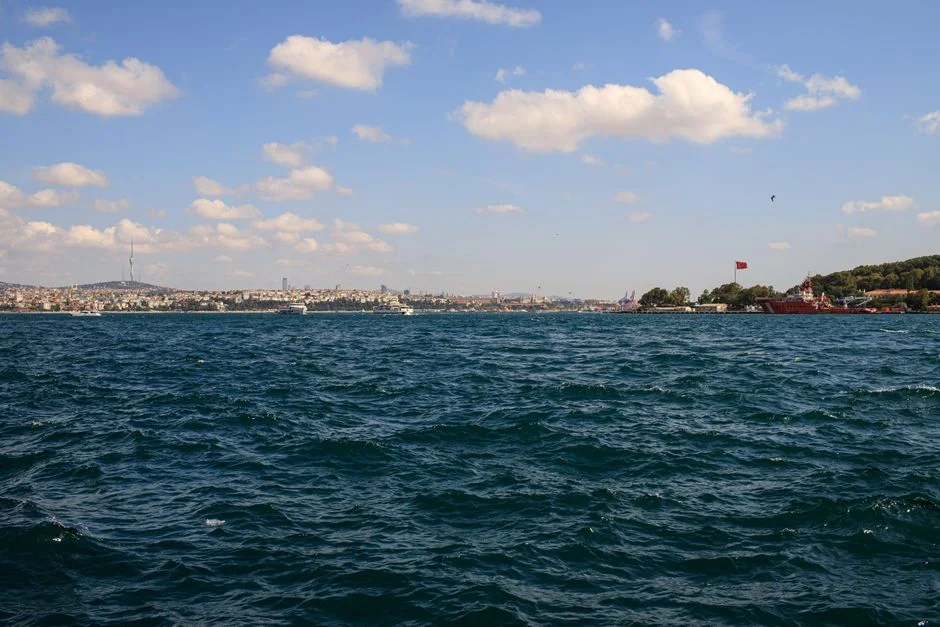
China is increasingly focused on the potential risks posed by the Strait of Hormuz, a crucial maritime route for oil shipments, particularly as regional tensions escalate. This development has raised alarms in Beijing due to its dependence on energy imports, with over 80% of its oil transiting through this strait. Simultaneously, China’s growing influence in the Malacca Strait is prompting officials to reassess their maritime security strategies.
Strait of Hormuz: A Critical Passage
The Strait of Hormuz connects the Persian Gulf to the Gulf of Oman, making it one of the most significant chokepoints for global oil supply. On average, nearly 18 million barrels of oil per day pass through this vital route, accounting for about 20% of the world's oil consumption. The geopolitical landscape surrounding this strait is heavily influenced by tensions involving Iran, a nation that has threatened to close it during periods of conflict.
Analysts warn that any disruption in the Strait of Hormuz could lead to a spike in global oil prices, affecting economies worldwide. The increased Iranian military presence in the region, along with its threats to disrupt shipping lanes, places significant pressure on China, which relies on stable oil prices to fuel its economy.
Concerns Over the Malacca Strait
While the Malacca Strait remains a concern for China, its proximity to Southeast Asia provides more immediate opportunities for influence and control. The strait is a crucial shipping route for about 40% of global trade, with approximately 50,000 vessels traversing it annually. However, as France noted in a recent statement, the rise of piracy and geopolitical tensions in the region complicates the situation.
China has invested heavily in securing trade routes and building relationships with Southeast Asian nations. The establishment of the China-ASEAN Free Trade Area has opened new avenues for trade but has also raised suspicions among neighbouring countries about Beijing's intentions.
Impact on Regional Economies
The implications of these developments extend beyond military and political considerations; they directly affect local economies. Countries dependent on oil imports, such as India, could face increased energy costs if tensions escalate in the Strait of Hormuz. For example, crude oil prices surged by 10% following recent threats from Iran, raising concerns among Indian consumers about inflation.
Moreover, the Malacca Strait's stability is essential for the economic well-being of nations like Malaysia and Singapore, which thrive on trade. Disruptions due to piracy or geopolitical instability could result in significant economic losses for these countries.
Community Response and Future Outlook
Local communities in Asia are expressing concerns about rising prices and potential conflict stemming from this geopolitical situation. Fuel prices have already seen an uptick, with Malaysian citizens reporting increases of up to 5% at the pump. Community leaders are urging their governments to take proactive measures to ensure shipping routes remain secure and prices manageable.
As the situation evolves, China's response to threats in the Strait of Hormuz and the Malacca Strait will be critical. Observers are watching closely as regional powers, including the United States, France, and India, strengthen their naval presence in response to potential disruptions. Upcoming military exercises in the Indian Ocean could further delineate the balance of power.
Conclusion: What to Watch Next
Eyes will be on diplomatic discussions in the coming weeks, especially with the impending G20 summit scheduled for next month. It remains to be seen how China will navigate its interests in these strategic waterways while maintaining trade stability. With potential sanctions against Iran looming, the global community must prepare for potential shocks in energy prices and shipping routes.
Disruptions due to piracy or geopolitical instability could result in significant economic losses for these countries.Community Response and Future OutlookLocal communities in Asia are expressing concerns about rising prices and potential conflict stemming from this geopolitical situation. Countries dependent on oil imports, such as India, could face increased energy costs if tensions escalate in the Strait of Hormuz.
What is the latest news about china demands greater control over strait of hormuz amid rising tensions?
Why does this matter for business-economy?
What are the key facts about china demands greater control over strait of hormuz amid rising tensions?