The West Bengal government has officially launched the Annapurna Yojana, a direct cash transfer scheme designed to provide financial relief to women from low-income families. This initiative aims to simplify welfare distribution by channeling funds directly into the bank accounts of eligible beneficiaries. Residents across the state are now preparing to enrol as the administration rolls out the new program to ease household expenses.
Understanding the New Welfare Scheme
The Annapurna Yojana represents a strategic shift in how the state delivers social security to its female citizens. Instead of relying solely on ration cards or monthly food allowances, the government is introducing a direct cash component. This approach gives women greater flexibility in managing their daily household budgets. The scheme targets those who may have previously fallen through the cracks of traditional welfare nets.
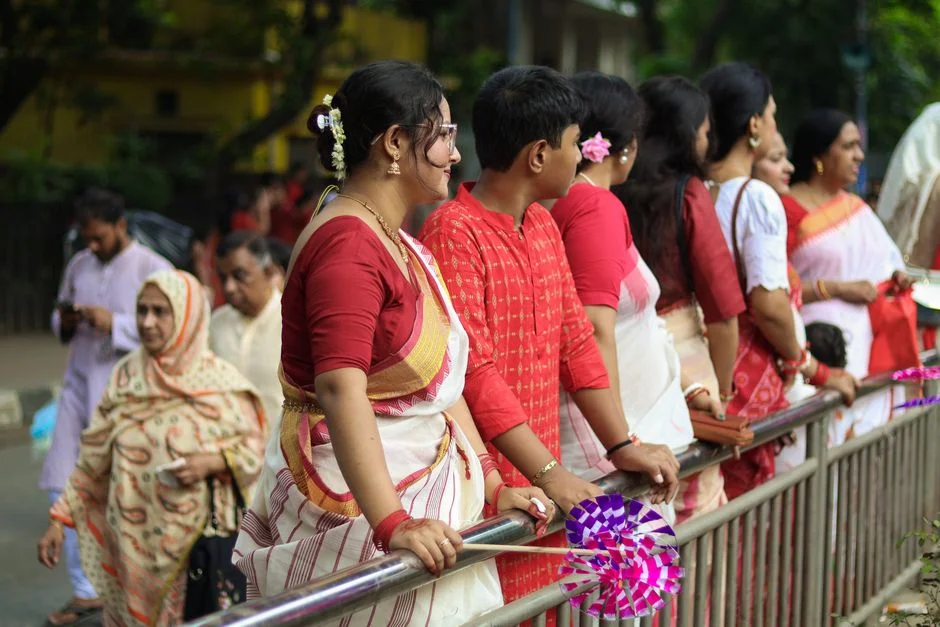
Officials have stated that the primary goal is to empower women economically. By placing cash directly in their hands, the state hopes to increase female participation in local markets. This injection of liquidity is expected to stimulate small-scale commerce in rural and semi-urban areas. The program builds upon existing structures like the Lakshmir Bhandar, integrating them into a broader financial framework.
Eligibility Criteria for Beneficiaries
Determining who qualifies for the Annapurna Yojana is the first step for any interested household. The scheme specifically targets women belonging to economically weaker sections. Applicants must meet certain income thresholds that the state has defined for this financial year. Families already receiving other forms of state aid may need to verify their continued status under the new rules.
Age also plays a role in the initial rollout phase. The government has prioritized women within specific age brackets to ensure the cash aid reaches those most likely to manage household expenditures. Detailed lists of eligible districts have been published on the state’s official portal. Residents are advised to check their district’s specific notification to confirm their status.
Documentation Required for Enrolment
Applicants must gather several key documents before submitting their applications. The most critical requirement is a valid Aadhaar card linked to a bank account. Without this linkage, the direct benefit transfer may face delays or errors. Families should also have their ration card details handy for cross-verification purposes.
- Valid Aadhaar Card with updated mobile number
- Active Bank Account in the beneficiary’s name
- Latest Ration Card showing family composition
- Income Certificate from the local municipality or panchayat
Ensuring these documents are up-to-date will streamline the verification process. The local administration will conduct a physical verification in many areas to reduce duplication. Residents should expect a visit from a community worker who will check the original documents against the submitted copies.
Step-by-Step Enrolment Process
The enrolment procedure has been designed to be accessible for women with varying levels of digital literacy. Applicants can begin by visiting their nearest Common Service Centre (CSC) or a designated ward office. Trained operators at these centres will assist in filling out the online application form. This personal touch helps reduce errors that often plague self-filed digital applications.
For those comfortable with technology, the state has launched a dedicated mobile application. Users can download the app and enter their basic details to initiate the application. The system will automatically pull data from the Aadhaar database to pre-fill certain fields. This reduces the time needed to submit a complete application.
After submission, the application moves to a verification stage. Local officials will review the income certificates and bank details. Once approved, the beneficiary receives a confirmation message on their registered mobile number. This message serves as proof of enrolment and includes the expected date of the first payment.
Financial Impact on Households
The direct cash transfer under the Annapurna Yojana is expected to provide immediate relief. Families in districts like North 24 Parganas and Howrah are already seeing the benefits. The cash aid allows mothers to purchase fresh produce and non-staple items that were previously luxury goods. This diversification of the diet can have long-term health benefits for children in these households.
Economists note that injecting cash into rural economies can create a multiplier effect. When women spend money at local kirana stores and markets, those businesses have more capital to reinvest. This cycle supports local employment and keeps money circulating within the community. The scheme thus serves both a social welfare and an economic stimulus function.
However, inflation remains a concern for some beneficiaries. If the value of the cash aid does not keep pace with rising prices, the real benefit may diminish over time. The state government has promised to review the amount annually based on inflation data. This commitment aims to preserve the purchasing power of the aid.
Role of Lakshmir Bhandar Integration
The Annapurna Yojana does not exist in isolation. It works in tandem with the existing Lakshmir Bhandar system, which provides monthly food rations. By combining cash and kind, the state creates a more robust safety net. Women can use the cash to buy items not covered by the ration list, such as oil, spices, and clothing.
This integration requires careful coordination between different government departments. The food department manages the ration distribution, while the finance department handles the cash transfers. Ensuring that the same women receive both benefits without overlap or gap is a logistical challenge. The state has set up a joint monitoring committee to oversee this process.
Feedback from early beneficiaries suggests that the combination is effective. Many women appreciate not having to rely solely on the fixed items in their ration bags. The cash component gives them the freedom to choose what their families need most. This flexibility is seen as a major improvement over previous welfare models.
Challenges in Implementation
Despite the positive reception, the rollout has faced some hurdles. In remote areas of Cooch Behar and Jalpaiguri, internet connectivity issues have slowed down the verification process. Some beneficiaries reported delays in receiving their confirmation messages. The government has deployed mobile vans with Wi-Fi hotspots to address this issue in hard-to-reach villages.
Another challenge is the digital divide. Older women who are less familiar with smartphones may find the app-based enrolment daunting. Community workers have been tasked with helping these women, but the manpower is not always sufficient. Training sessions for local volunteers are ongoing to improve the quality of assistance provided.
Transparency in the selection process is also under scrutiny. Some residents worry that local political influence might affect who gets selected. To counter this, the state has published the list of approved beneficiaries on the official website. Any woman can search for her name to verify her status and file a grievance if needed.
Community Response and Future Steps
Women across West Bengal have largely welcomed the Annapurna Yojana. Community leaders have organized meetings to explain the scheme to hesitant families. These grassroots efforts have helped increase enrolment rates in urban slums and rural hamlets alike. The sense of financial security is boosting morale in many households.
The government plans to expand the scheme to cover more districts in the coming months. Additional funds have been allocated to accommodate the growing number of applicants. Officials are also working on simplifying the grievance redressal mechanism. A dedicated helpline number has been launched to handle queries and complaints from beneficiaries.
Residents should watch for the announcement of the second phase of enrolment. This phase is expected to include women from slightly higher income brackets who were previously excluded. The state government will release a detailed notification regarding the new criteria and the timeline for applications. Keeping an eye on the official portal will ensure that eligible women do not miss the window to claim their aid.
See Also
- Mallikarjun Kharge Confirms No Plans Yet for Deputy CM Appointments in Shivakumar's Cabinet
- Modi Slams Telangana BJP: Internal Fractures Exposed in Hyderabad