On June 1-4, a U.S. delegation will arrive in India to conclude an interim trade agreement aimed at bolstering economic ties. The discussions, led by Commerce Minister Piyush Goyal, are expected to address various key sectors, particularly technology and agriculture, which could directly affect local communities across the country.
Trade Agreement and Its Importance
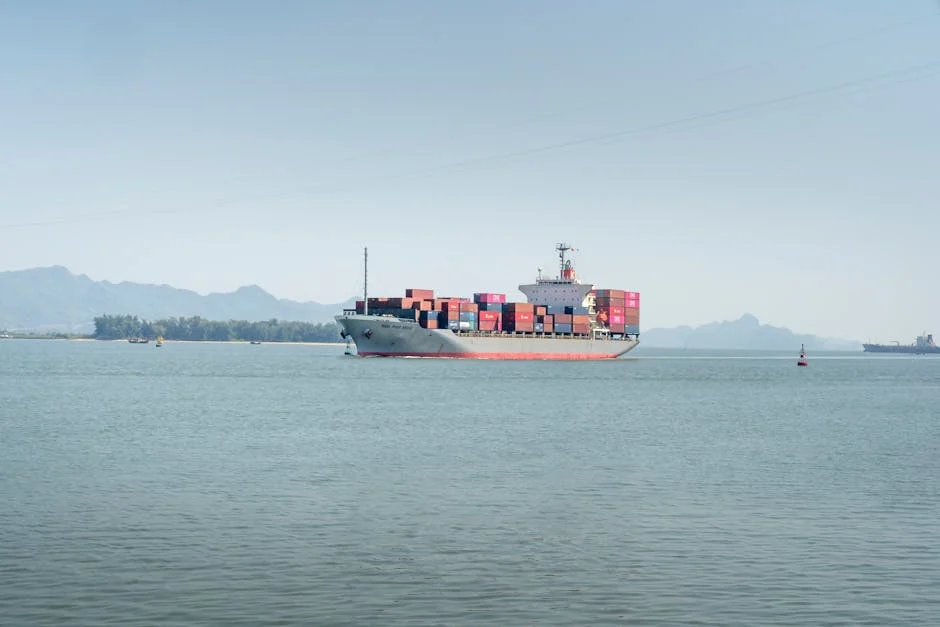
The upcoming meetings are part of an ongoing effort to enhance trade relations between the two nations. The interim trade agreement seeks to simplify tariffs and regulations, benefiting businesses and consumers alike. With trade between the U.S. and India valued at approximately $150 billion annually, the implications of this deal could ripple through local economies.

Commerce Minister Piyush Goyal has been pivotal in steering these negotiations. He stated that the potential agreement will focus on improving market access for various goods, ultimately aiming to create jobs and foster economic growth in India. Communities in sectors like textiles, pharmaceuticals, and agriculture are poised to feel the impact of any new trade facilitation measures.
Local Economic Implications
As the discussions progress, Indian exporters are optimistic about increased market access. For instance, farmers in Punjab and Haryana might witness improved export opportunities for their produce. This could lead to higher prices and better earnings, significantly benefiting families dependent on agriculture.
Moreover, urban areas with technology firms, like Bengaluru and Hyderabad, are keenly awaiting the outcome. A successful deal could lead to more investments from U.S. companies, boosting the local job market and encouraging foreign direct investment. This influx could translate into better amenities and services for residents.
Challenges Ahead
While there is optimism, challenges remain. The negotiations could stall over contentious issues like intellectual property rights and trade balance concerns. If unresolved, these could limit the agreement's effectiveness, leaving local businesses vulnerable to international competition.
Moreover, domestic industries may fear being overshadowed by larger U.S. firms if the agreement significantly lowers tariffs. Goyal emphasized that the negotiations would carefully consider these aspects to ensure fair outcomes for Indian industries.
Community Insights
Indian citizens are closely following the developments, particularly those in sectors anticipated to benefit from the new trade agreement. Local business owner Priya Sharma from Delhi expressed mixed feelings: "While I want opportunities to grow, I am wary of how foreign competition might impact my business."
Community forums and local chambers of commerce are organising discussions to educate citizens on what the interim agreement might mean for them. Residents are encouraged to voice their concerns and suggestions to ensure their needs are met during the negotiating process.
The Role of Government and Institutions
Government agencies, including the Ministry of Commerce and Industry, are actively engaging with stakeholders to align the trade agreement's details with local interests. Goyal has assured citizens that their inputs will be vital for shaping a robust framework that protects domestic markets.
Institutions such as the Confederation of Indian Industry (CII) are playing a critical role in facilitating dialogues between the government and businesses. They aim to make the transition to enhanced trade as smooth as possible for local industries, ensuring that no one is left behind.
What’s Next for India and the U.S.
Following the June meetings, both nations will aim to release a joint statement outlining the outcomes and next steps. Stakeholders expect that if the interim agreement is successful, it could pave the way for a more comprehensive trade deal in the future.
Citizens should watch for updates on specific sectors that will likely benefit from the trade agreement. Local economies could see shifts as businesses adapt to new opportunities or challenges posed by international competition. The community response during and after these negotiations will be crucial in determining the long-term impacts of this agreement.
See Also
- DK Shivakumar Secures CLP Nod as Karnataka's Next CM — Oath on June 3
- South Africa Names 16 World Cup Winners — Fans React