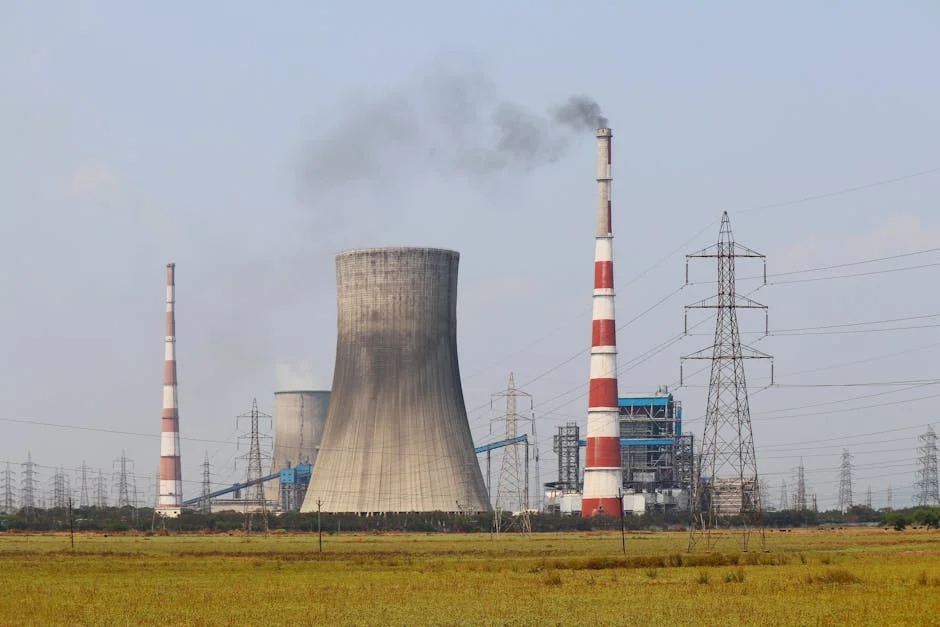
A recent report from the United Nations highlights that worsening climate change is a key factor behind India's alarming surge in extreme heat events. Over the past decade, heatwaves have become increasingly frequent and intense, affecting millions of citizens and disrupting daily life across the nation. With temperatures soaring above 45 degrees Celsius in several regions, the implications for health, agriculture, and local economies are dire.
Rising Temperatures and Their Immediate Impact
During the month of April 2023, several states, including Maharashtra and Gujarat, reported record-breaking temperatures. The India Meteorological Department recorded a staggering 46.5 degrees Celsius in some areas, endangering vulnerable populations, particularly the elderly and those with pre-existing health conditions. The surge in heat is straining healthcare facilities as hospitals grapple with an influx of patients suffering from heat-related illnesses.
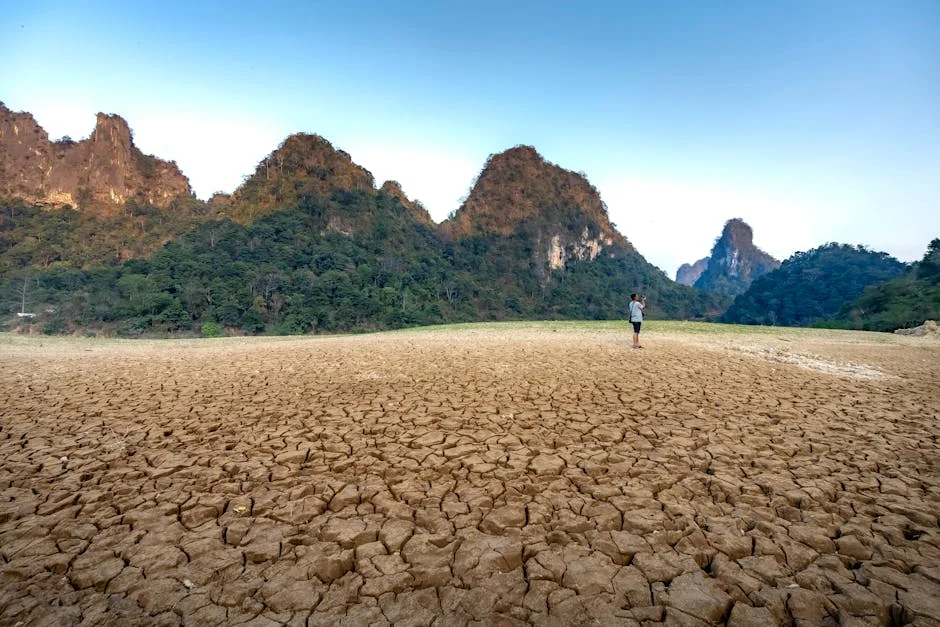
Local farmers are feeling the heat, quite literally. Many crops, including wheat and pulses, are at risk due to the prolonged exposure to extreme temperatures, which disrupts their growth cycles. With diminishing yields, farmers face potential financial ruin, pushing them deeper into debt and jeopardising food security in the region.
Economic Consequences for Communities
The economic fallout from rising temperatures is not limited to agriculture. High heat significantly increases energy demand, as households and businesses turn to air conditioning and refrigeration to cope. This spike in energy usage leads to higher electricity tariffs, particularly in states where power supply is inconsistent. For example, as of April 2023, electricity prices have surged by over 20%, exacerbating the financial burden on families already struggling to make ends meet.
Moreover, the tourism sector, a crucial part of India’s economy, is suffering. Tourists are less likely to visit regions known for their extreme heat, leading to a downturn in local businesses that rely heavily on visitor spending. Hoteliers and small vendors in popular destinations such as Rajasthan have reported a drastic decline in bookings, forcing some to temporarily close their establishments.
Government and Community Responses
The Indian government has begun to respond to this climate crisis with various initiatives aimed at mitigating the impacts of extreme heat. The Ministry of Earth Sciences has launched a heat action plan that includes establishing cooling centres in urban areas and raising public awareness about the dangers of heat exposure. Community leaders are also stepping in, arranging local workshops to educate residents about heat safety and providing resources to prevent heat-related illnesses.
Additionally, investment in climate-resilient agriculture is crucial for adapting to changing weather patterns. Programs aimed at promoting drought-resistant crops and sustainable farming techniques are being expanded, with the aim of alleviating some of the pressures felt by farmers due to extreme weather conditions.
The Role of Climate Change in Future Heatwaves
Climate change is projected to worsen the frequency and intensity of heatwaves across India in the coming years. Research indicates that without significant global efforts to reduce greenhouse gas emissions, the country could see up to a 2 degrees Celsius increase in average temperatures by 2030. This escalation will not only impact human health but also threaten biodiversity and disrupt ecosystems that rural communities rely on.
The time for action is now. Local governments and NGOs must collaborate with national authorities to forge comprehensive strategies that address the root causes of climate change while protecting vulnerable communities.
Looking Ahead: What Citizens Should Watch For
As India continues to grapple with the impacts of extreme heat, citizens should remain vigilant and informed. In the coming months, more discussions around energy policy and agricultural resilience are expected, particularly as the monsoon season approaches. These changes will directly affect how communities manage their resources and prepare for future climate challenges.
Furthermore, individuals can play a part by advocating for sustainable practices within their communities and supporting initiatives that promote environmental responsibility. The health of the planet directly influences quality of life, and as India faces an uncertain climate future, proactive measures at both community and government levels will be crucial.
Research indicates that without significant global efforts to reduce greenhouse gas emissions, the country could see up to a 2 degrees Celsius increase in average temperatures by 2030. Hoteliers and small vendors in popular destinations such as Rajasthan have reported a drastic decline in bookings, forcing some to temporarily close their establishments.Government and Community ResponsesThe Indian government has begun to respond to this climate crisis with various initiatives aimed at mitigating the impacts of extreme heat.