On Friday, the foreign ministers of India and China convened in Beijing to review the ongoing border situation between the two nations. This marked a crucial step towards discussing the normalisation of ties, which have been strained since clashes in 2020 left at least 20 Indian soldiers dead, with significant losses on both sides. The dialogue is expected to have repercussions for local communities along the border, especially regarding trade and security.
High Stakes for Local Economies
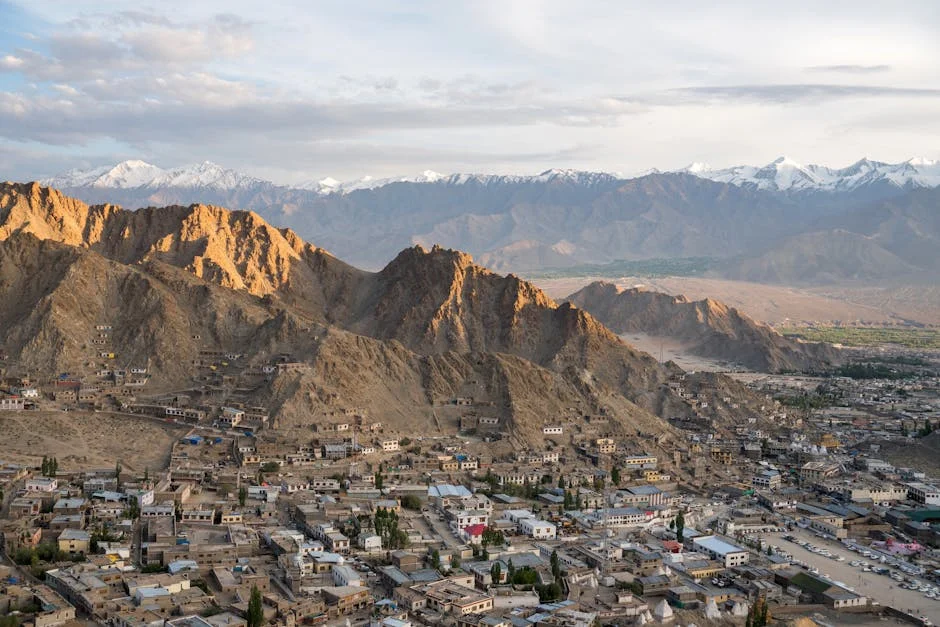
The discussions held in Beijing are not merely political; they directly impact local economies, particularly in border regions like Arunachal Pradesh and Ladakh. Trade across the border, which has been significantly hampered since the 2020 skirmishes, accounted for approximately ₹1,000 crore annually prior to the tensions. Reviving these economic ties could provide much-needed relief to traders and local businesses in these areas.

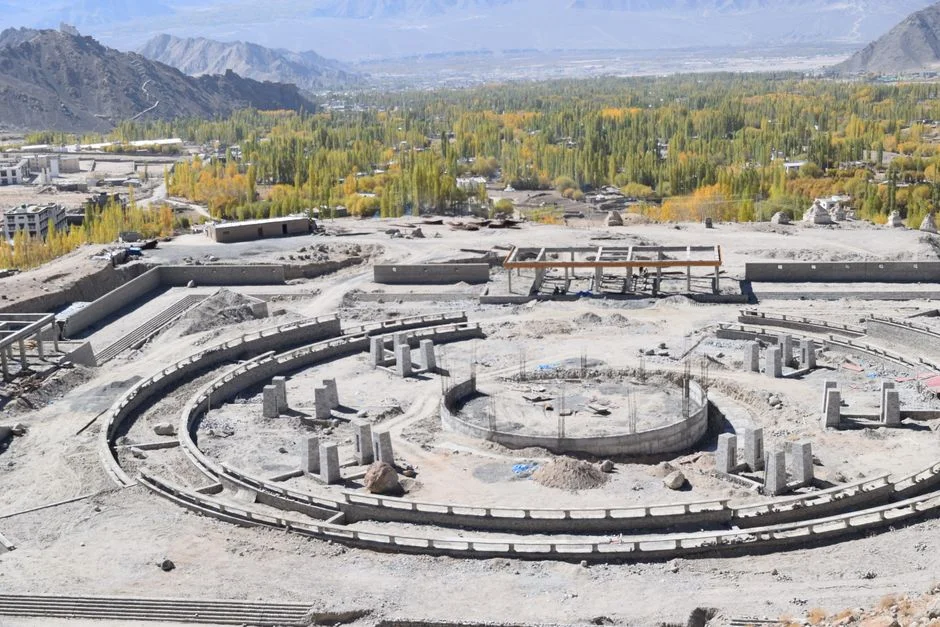
Local residents are watching closely as the outcome of these talks could bring back cross-border trade that has traditionally supported their livelihoods. The Indian government has been proactive in bolstering border infrastructure, yet the lack of stable relations with China hinders economic opportunities. The potential reopening of trade could also lead to a more stable pricing environment for goods that are currently expensive due to scarcity.
Security Concerns Persist
Despite the hopeful dialogue, residents are still apprehensive about security issues that arise from any military tensions. Defence Minister Rajnath Singh emphasised the need for maintaining a strong position along the border during a recent address to Parliament. Local communities in Ladakh express concerns that any future conflict can disrupt daily life and commerce.
Families in border districts report heightened anxiety over potential military actions. The Indian Army's presence in these regions has increased, leading to a significant uplift in local employment opportunities but also a sense of unease among residents who fear the consequences of an unstable relationship with China.
Community Responses and Anticipated Changes
Community responses have varied, with some advocating for immediate diplomatic solutions while others call for stronger security measures. In places like Tawang, local leaders are demanding a clear roadmap from the government outlining how they plan to handle border relations. The emotional toll of the strained relationship is palpable, as families are divided between a desire for peace and a need for security.
The Ministry of External Affairs has assured citizens that their interests will be protected, but many locals remain sceptical. “We want peace and prosperity, but at what cost?” asked a local merchant in Arunachal Pradesh, reflecting the sentiments of many who rely on stable relations for their livelihoods.
Looking Ahead: What Citizens Should Watch For
The upcoming months are crucial for both nations as they attempt to solidify a framework for normalising relations. The next high-level meeting is expected to take place later this year in New Delhi, where the focus will likely be on establishing confidence-building measures that can alleviate tensions.
Local residents are advised to stay informed about the outcomes of these negotiations, as changes in policy may directly affect their daily lives and local economies. As the situation develops, they will be closely monitoring announcements from both governments, hoping for a return to stability and improved trade relations.
See Also
- Alimosho APC Members Reject Candidates’ List, Sparking Local Unrest in Lagos
- Sessions Court Reveals Police Shielded Ex-CM Pinarayi's Guards from Prosecution
Local communities in Ladakh express concerns that any future conflict can disrupt daily life and commerce.Families in border districts report heightened anxiety over potential military actions. The Indian Army's presence in these regions has increased, leading to a significant uplift in local employment opportunities but also a sense of unease among residents who fear the consequences of an unstable relationship with China.Community Responses and Anticipated ChangesCommunity responses have varied, with some advocating for immediate diplomatic solutions while others call for stronger security measures.
What is the latest news about india and china assess border tensions citizens brace for economic fallout?
Why does this matter for local-news?
What are the key facts about india and china assess border tensions citizens brace for economic fallout?