Gayatri Devi’s diplomatic mastery and regal dignity have reshaped the debate over India’s cultural heritage in London. Her strategic interventions force British institutions to confront the provenance of their most prized Indian artifacts. This shift directly impacts how Indian citizens view their national history and the ongoing negotiations for artifact repatriation.
Royal Diplomacy Meets Museum Politics
The British Museum in London stands as a colossal repository of global history, yet its Indian collection remains a source of intense diplomatic friction. Gayatri Devi, the former Maharani of Jaipur, used her unique position to challenge the status quo. She did not rely on loud protests but rather on calculated grace and unyielding pressure on British political and cultural elites.
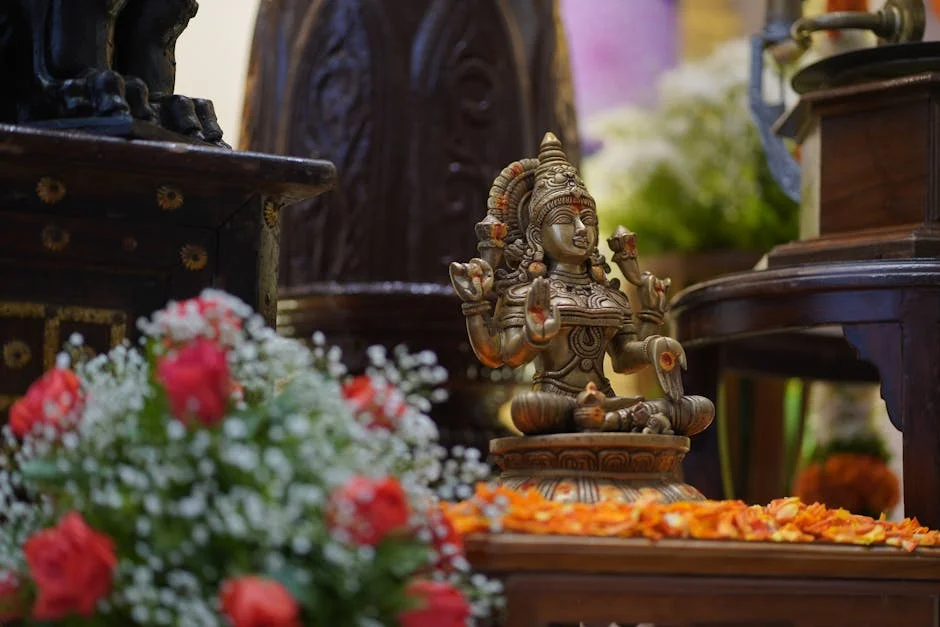
Her approach highlighted a critical gap in how Western institutions manage colonial acquisitions. The museum often relies on the "statute of limitations" to keep artifacts, arguing that if an item has been held for decades, returning it becomes legally complex. Devi’s team worked tirelessly to prove that many items were not just acquired but strategically secured during the height of British rule in India.
The Role of Personal Influence
Personal relationships played a significant role in these early negotiations. Devi maintained close ties with British royalty and political leaders, creating informal channels of communication that formal diplomats often missed. These connections allowed her to humanize the debate, turning abstract artifacts into symbols of personal and national identity for millions of Indians.
This method of engagement provides a model for current leaders. It shows that cultural diplomacy requires more than just press releases. It demands sustained personal investment and a deep understanding of the institutional culture of the receiving country. Her legacy continues to influence how Indian envoys approach the British Museum today.
Impact on Indian Communities and Identity
For ordinary citizens in India, the struggle for artifact return is about more than just bronze and marble. It is a matter of national pride and historical justice. When a statue or a manuscript is stuck in London, it creates a sense of incompleteness in India’s own museums and galleries. This feeling is particularly strong in regions like Rajasthan, where Devi was a beloved figure.
The emotional connection drives tourism and local economy. When news breaks that a key artifact might return, interest in local heritage sites surges. This demonstrates that cultural policy has direct economic implications for communities. Local guides, hoteliers, and artisans benefit when the narrative of "homecoming" gains momentum in London.
However, the delay in returns can also lead to frustration. Younger generations of Indians, who are increasingly global in their outlook, question why their history is displayed in glass cases in London while the original sites struggle for funding. This tension creates a backdrop of quiet dissatisfaction that influences voter behavior and public opinion in India.
Economic Stakes for British Institutions
The British Museum faces its own set of economic pressures. Admission fees and gift shop sales contribute significantly to its annual budget, which often exceeds £150 million. Indian artifacts, such as the Rosetta Stone or the Elgin Marbles' Indian counterparts, draw millions of visitors each year. Losing these items could impact the museum’s financial stability.
Yet, the cost of holding on to these items is also rising. Legal challenges from source countries are becoming more frequent and better funded. India has established a dedicated task force to track and claim missing artifacts. This organized approach increases the likelihood of successful lawsuits, which can result in hefty compensation packages for the museum.
The museum must balance its financial interests with its diplomatic relationships. A strained relationship with India can lead to reduced cultural exchanges, fewer joint exhibitions, and even tourism boycotts. These economic risks force the museum’s board to reconsider its "permanent" collection strategy.
Legal Battles and Statutory Hurdles
The legal framework governing the British Museum is often cited as the biggest obstacle to repatriation. The British Museum Act of 1966 gives the museum broad powers to add to and remove items from its collection, but it also requires parliamentary approval for permanent transfers. This makes the process slow and politically sensitive.
Recent cases have shown that this legal shield is not impenetrable. When the legal team for a source country can prove theft or a specific loan agreement that was never honored, the museum’s position weakens. Gayatri Devi’s team was among the first to systematically gather such evidence, setting a precedent for future claims.
Legal experts in London note that the definition of "permanent" is under scrutiny. If an artifact was loaned for a specific exhibition during the colonial era and never returned, the legal argument for keeping it diminishes. This nuance is crucial for understanding the current legal battles over Indian artifacts.
Community Response in the UK
The debate over Indian artifacts also resonates within the UK, particularly among the British-Indian community. This demographic is one of the largest minority groups in London and plays a significant role in local politics. Many feel a strong connection to the artifacts and view their return as a step toward healing historical wounds.
Community groups in London have organized exhibitions and seminars to highlight the stories behind these items. These events bring together historians, artists, and citizens to discuss the meaning of ownership. This grassroots movement adds pressure on the museum to be more transparent and responsive to the voices of the people most affected by the collections.
The political impact of this community is also growing. As British-Indian voters become more influential, their stance on cultural heritage issues can sway local elections and even national policy. Politicians are beginning to pay attention to this demographic, recognizing that cultural issues can translate into political capital.
Strategic Steps for Future Repatriation
The path forward requires a multi-pronged strategy. India must continue to strengthen its legal teams and invest in digital documentation of its artifacts. This creates an undeniable paper trail that can be used in courtrooms and boardrooms alike. Transparency is key to building a strong case for repatriation.
Collaboration with other source countries is also essential. A unified front from nations like Greece, Egypt, and Nigeria can create a critical mass of pressure that the British Museum cannot easily ignore. Joint exhibitions and shared research projects can build alliances and share the financial burden of legal battles.
Education plays a vital role in sustaining momentum. Schools and universities in India should integrate the story of artifact repatriation into their history curricula. This ensures that future generations remain engaged and informed about the ongoing struggle for their cultural heritage. Public awareness keeps the issue alive and relevant.
Building Institutional Capacity
Indian museums need to upgrade their facilities to attract and display returned artifacts. This includes investing in climate control, security systems, and interactive exhibits. A well-presented return can boost national pride and attract tourists, creating a positive feedback loop for the local economy.
Training curators and conservators is another critical step. Skilled professionals can ensure that returned items are well-cared for and properly interpreted for the public. This reduces the British Museum’s argument that its facilities are superior and necessary for the preservation of the artifacts.
What to Watch Next
The next major test will be the outcome of the current legal review of the British Museum Act. Parliament is expected to vote on proposed amendments that could streamline the repatriation process. This vote is scheduled for the upcoming spring session and will signal the UK’s willingness to adapt to changing global norms.
Observers should also monitor the specific claims filed by the Indian government. New evidence regarding the provenance of key items from the Jaipur and Mysore collections is being presented to the museum’s board. These cases will set important precedents for future negotiations and could lead to the first major returns in decades.
Stakeholders must stay informed about diplomatic developments between New Delhi and London. Cultural exchanges are often tied to broader trade and political agreements. A shift in the bilateral relationship could accelerate or stall the repatriation process, making it a key indicator of the overall health of India-UK ties.
See Also
- Road Conditions in Satna: A Call for Urgent Attention
- Dalai Lama Swears In New Tibetan Government-in-Exile in Dharamshala Today
These cases will set important precedents for future negotiations and could lead to the first major returns in decades. A shift in the bilateral relationship could accelerate or stall the repatriation process, making it a key indicator of the overall health of India-UK ties.