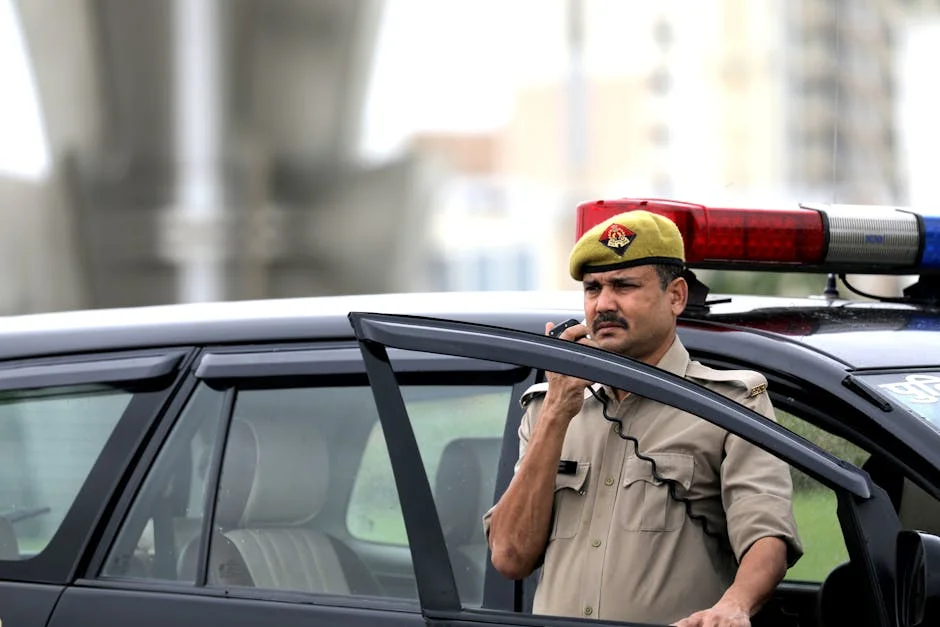
Delhi motorists faced a new financial shock this week as the capital’s petrol price officially crossed the psychological barrier of ₹100 per litre. This marks the fourth consecutive increase in just fourteen days, driven by fluctuating global crude oil prices and adjustments in state taxes.
The rise directly impacts millions of daily commuters who rely on private vehicles and two-wheelers for their livelihoods. With transportation costs climbing, the ripple effect is already being felt across local markets, affecting everything from grocery bills to service industry wages.
The Economics of the Price Hike
The current surge is not merely a fluctuation but a sustained upward trend. Global crude oil benchmarks have remained volatile, with the Brent Crude hovering around $85 per barrel. This external pressure forces Indian oil marketing companies to adjust domestic prices to maintain their profit margins.
State taxes play a significant role in the final pump price. In Delhi, the Value Added Tax (VAT) and other levies account for a large portion of the ₹100 tag. Unlike the Union Budget, which sets the base excise duty, state governments have the flexibility to tweak VAT rates, often using it as a tool for revenue generation.
Financial analysts point out that while global crude prices are a major factor, domestic taxation policies have not provided enough relief to consumers. The lack of a synchronized reduction in state VAT has left Delhi residents bearing the brunt of the cost increases.
Impact on Local Transport
The most immediate consequence is seen in the daily commute. For a middle-class family driving a compact SUV, the monthly fuel bill could increase by nearly ₹1,500. This amount, while seemingly small, adds up significantly over a quarter, affecting disposable income.
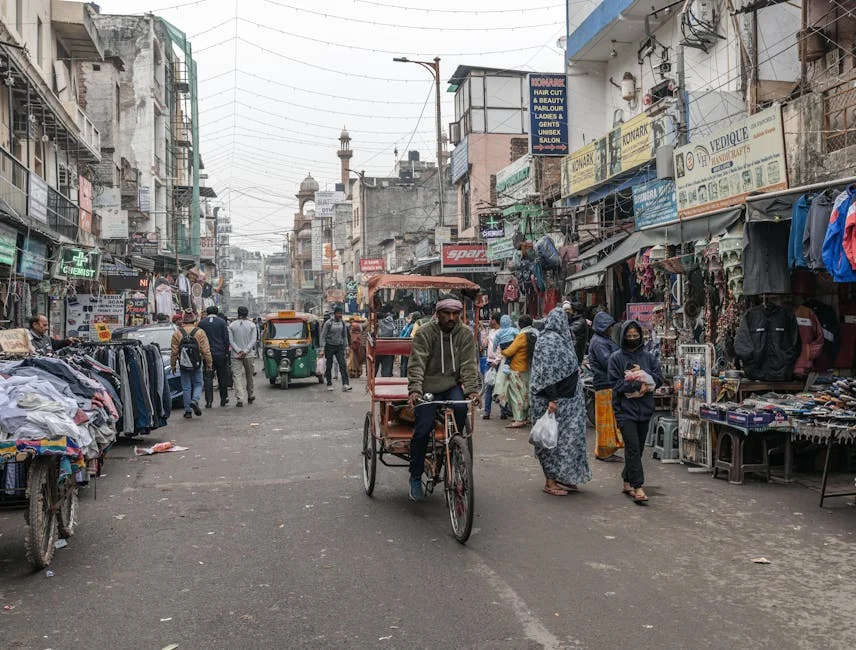
Rickshaw drivers in areas like Chandni Chowk and Karol Bagh report that passengers are becoming more price-sensitive. Many are opting to walk shorter distances or share rides to save on fares. This behavioral change indicates a shift in consumer spending patterns in the capital.
Logistics companies operating in the National Capital Region (NCR) are also feeling the heat. Transporters are negotiating higher freight charges with retailers, which could lead to a slight increase in the prices of essential goods in local markets.
Community Response and Daily Life
Residents in Delhi are adapting their routines to cope with the rising costs. In residential colonies in South Delhi, carpooling has seen a resurgence. Neighbors are coordinating schedules to reduce the number of vehicles on the road, thereby saving on fuel.
Small business owners in markets like Saket and Vasant Vihar are also adjusting. Many are delaying non-essential vehicle purchases, opting for more fuel-efficient models or even returning to two-wheelers for short-distance travel. This shift reflects a broader trend of cost-consciousness among the populace.
Social media platforms have become a battleground for public sentiment. Hashtags related to the fuel price hike trend daily, with citizens tagging local politicians and demanding immediate intervention. The digital outcry highlights the growing frustration among the electorate.
Local community groups are organizing town hall meetings to discuss the impact on household budgets. These gatherings provide a platform for citizens to share their experiences and collectively decide on strategies to mitigate the financial burden. This grassroots movement underscores the direct link between fuel prices and community well-being.
Political Implications and Local Governance
The fuel price hike has become a key topic in Delhi’s political discourse. The ruling Delhi Government, led by the Aam Aadmi Party (AAP), is under pressure to explain its tax policies. Critics argue that the state has not done enough to cushion the blow for common citizens.
Opposition parties, including the Bharatiya Janata Party (BJP) and the Indian National Congress, are using the issue to rally support. They have organized rallies in key constituencies, promising to reduce VAT if given the chance. This political maneuvering indicates that fuel prices are a decisive factor in local elections.
Politicians are visiting fuel stations to interact with commuters, listening to their grievances. These visits are not just symbolic but serve as a barometer for public sentiment. The feedback collected during these interactions could influence future policy decisions.
The Central Government, represented by the Ministry of Petroleum and Natural Gas, has also weighed in. Officials have stated that the current prices reflect the global trend and that domestic taxes are competitive compared to other states. This defense aims to shift some of the blame onto international markets.
Economic Outlook for Delhi
The sustained high fuel prices could have a broader impact on Delhi’s economy. Increased transportation costs may lead to higher inflation, affecting the purchasing power of residents. This could slow down consumer spending, which is a key driver of the city’s economic growth.
Businesses in the service sector, such as restaurants and salons, might see a slight dip in footfall. Customers may choose to cut back on discretionary spending to save on fuel costs. This trend could force businesses to innovate, offering promotions or delivery services to attract cost-conscious consumers.
The real estate market in the NCR is also watching closely. Higher commute costs may influence housing decisions, with buyers preferring locations closer to their workplaces. This could lead to a shift in demand from suburban areas to more central locations.
Investors are monitoring the situation, aware that persistent fuel price hikes could affect corporate profits. Companies with heavy reliance on logistics may see their margins squeeze, leading to potential adjustments in dividend payouts or expansion plans.
Future Steps and What to Watch
Residents should keep an eye on the next Union Budget, where the Central Government may announce changes to the excise duty on petrol. Any reduction at the central level could provide immediate relief, depending on how much the state chooses to pass on to consumers.
The Delhi Assembly is also expected to review the VAT rate in the upcoming fiscal year. If the ruling party decides to reduce the tax, it could lower the pump price significantly. This decision will be closely watched by both the public and political analysts.
Global oil markets will remain volatile, influenced by geopolitical tensions and production decisions by OPEC. Any sudden spike or drop in crude prices will quickly reflect in Delhi’s pump prices. Commuters should be prepared for further fluctuations in the coming months.
Local authorities are also considering expanding public transport infrastructure to provide alternatives to private vehicles. The introduction of more metro lines and bus routes could help reduce the dependency on petrol-driven transport. This long-term strategy aims to make Delhi’s commute more sustainable and cost-effective.
See Also
- Ayushman Bharat Initiative Transforms Healthcare in Satna
- Delhi Building Collapse Claims Six Lives — Rescue Efforts Continue Near Saket Metro
Officials have stated that the current prices reflect the global trend and that domestic taxes are competitive compared to other states. Critics argue that the state has not done enough to cushion the blow for common citizens.