Karnataka police have launched a formal investigation after an 18-year-old NEET aspirant was found dead in his residence in the state. Authorities confirmed that the student, who was preparing for the National Eligibility cum Entrance Test, was discovered without a suicide note, leaving his family and local community in shock. The incident has reignited intense debate about the mounting academic pressure faced by students in India’s competitive education system.
Local residents in the affected neighborhood have gathered to pay their respects, while parents of other aspirants are calling for immediate reforms in how entrance exams are structured. This tragedy is not an isolated event but part of a growing pattern that is testing the resilience of families across Karnataka. The state’s education sector is now under scrutiny as citizens demand answers from both schools and examination bodies.
Details of the Incident and Police Response
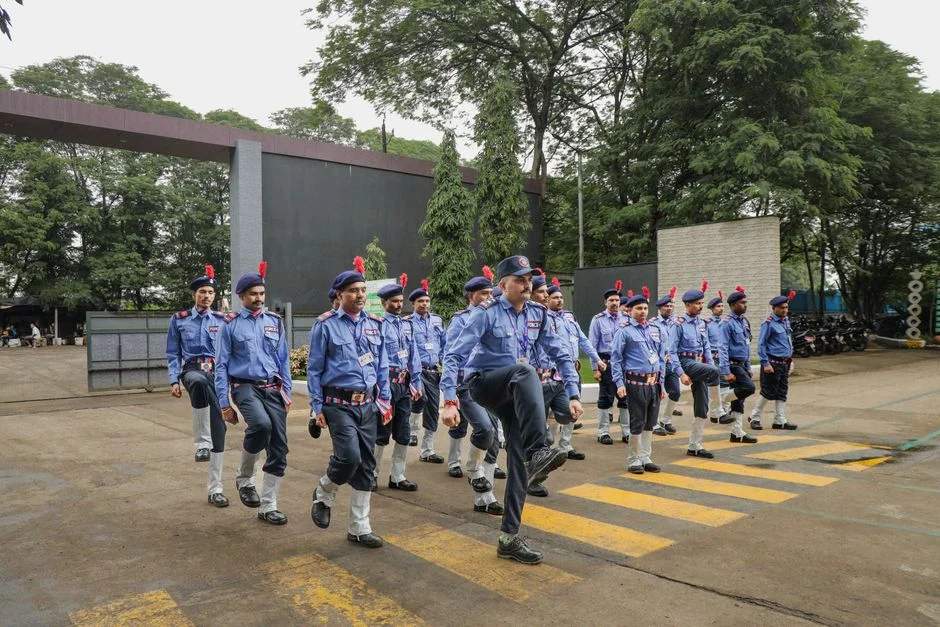
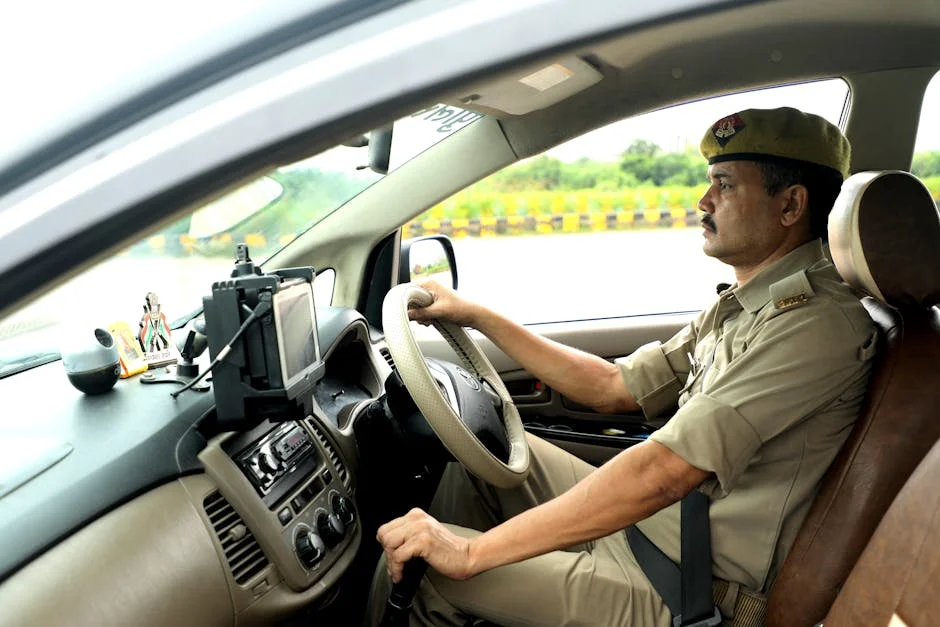
Police officers arrived at the scene in the early hours of the morning after neighbors reported unusual silence from the student’s home. The local law enforcement team secured the residence and began collecting preliminary evidence to determine the exact circumstances of the death. Investigators are interviewing family members, classmates, and teachers to build a clear timeline of events leading up to the tragedy.
The absence of a suicide note has complicated the initial assessment, prompting officials to look deeper into the student’s daily routine and social interactions. Detectives are reviewing medical records and communication logs to identify any potential triggers or stressors that may have contributed to the outcome. This thorough approach aims to provide clarity to the grieving family and the wider community.
Local police officials have stated that the case is being treated as a sudden death, pending further forensic analysis. They have urged the public to avoid speculation until the post-mortem report and witness statements are fully compiled. The investigation is moving quickly to ensure that no detail is overlooked in this sensitive case.
Community Reaction and Local Impact
News of the student’s death spread rapidly through local social media groups and neighborhood associations in Karnataka. Many residents have expressed deep sorrow and frustration, pointing out that the weight of the NEET exam often feels unbearable for young teenagers. Community leaders have organized informal meetings to discuss how better to support students during this critical phase of their academic journey.
Parents in the region are speaking out about the long hours their children spend studying, often sacrificing sleep and social interaction to stay competitive. Some have noted that the fear of failure can create a suffocating environment within households, where academic performance becomes the sole measure of a child’s worth. This emotional toll is becoming a shared concern among families across the state.
Local schools have also responded by introducing counseling sessions and temporary breaks from rigorous study schedules. Teachers are working to create a more supportive atmosphere, recognizing that mental health is just as important as academic scores. These immediate steps aim to prevent further tragedies and help students manage the intense pressure they face.
Support Systems for Students
Several non-governmental organizations in Karnataka are stepping up their efforts to provide mental health resources to NEET aspirants. These groups are offering free counseling services and workshops for both students and their parents. The goal is to build a stronger network of support that can intervene early when signs of stress become apparent.
Community centers are also hosting discussion forums where students can share their experiences with peers and mentors. These sessions help reduce the feeling of isolation that many aspirants experience during their preparation years. By fostering open dialogue, the community hopes to normalize conversations about mental well-being in the academic sphere.
The Pressure of NEET in Karnataka
Karnataka is home to some of the most competitive medical colleges in India, making the NEET exam a life-changing milestone for thousands of students each year. The stakes are incredibly high, with only a small percentage of candidates securing a seat in their preferred institution. This intense competition drives students to study for up to 12 hours a day, often leading to burnout and anxiety.
The state has seen a steady increase in the number of NEET aspirants over the past five years, putting additional strain on coaching centers and schools. Many families invest heavily in tuition and study materials, hoping to secure a spot in top-tier medical colleges in Bangalore and Mysuru. The financial and emotional investment adds another layer of pressure on the students.
Educational experts in the region have pointed out that the current system often prioritizes rote learning over holistic development. This approach can neglect the mental and physical health of students, leading to long-term consequences. There is a growing call for a more balanced evaluation method that considers a student’s overall potential rather than just their exam score.
Historical Context of Student Stress
This incident follows a series of student deaths across India that have been linked to academic pressure. In recent years, various states have reported cases where young students struggled to cope with the demands of competitive entrance exams. These tragedies have sparked national conversations about the need for systemic changes in the education sector.
Karnataka has not been immune to this trend, with several high-profile cases drawing media attention in the past. Each incident has prompted temporary measures, such as extended breaks or revised syllabi, but the core issues often remain unresolved. The recurring nature of these events suggests that deeper structural reforms are necessary to protect student well-being.
The state government has previously introduced policies aimed at reducing the academic burden on students, but implementation has been inconsistent. Schools and coaching centers often continue to push students to the limit, driven by the desire for high enrollment and success rates. This gap between policy and practice continues to challenge educators and parents alike.
What Families Are Doing Differently
In response to growing concerns, many families in Karnataka are adopting new strategies to support their children through the NEET preparation phase. Some parents are encouraging more physical activity and outdoor time to help students relieve stress. Others are working closely with teachers to monitor their child’s progress without creating excessive pressure.
There is also a shift towards valuing mental health as a key component of academic success. Families are becoming more open about seeking professional help when their children show signs of anxiety or depression. This cultural change is helping to reduce the stigma around mental health issues in the academic community.
Community support groups are playing a vital role in connecting families with resources and advice. These networks provide a platform for parents to share experiences and learn from each other’s successes and challenges. By working together, communities are building a stronger safety net for students navigating the competitive exam landscape.
Looking Ahead: Next Steps in the Investigation
The police in Karnataka have indicated that the investigation will continue over the next few weeks, with a focus on forensic evidence and witness testimonies. Families of other NEET aspirants are watching closely, hoping that the findings will shed light on the broader issues affecting students in the state. The outcome of this case could influence future policies on student welfare and exam structures.
Education officials have also announced plans to review current support mechanisms for students preparing for competitive exams. This review will involve consultations with teachers, parents, and mental health professionals to identify areas for improvement. The goal is to create a more sustainable and supportive environment for future generations of students.
Residents of Karnataka will be looking for updates on the case as the investigation progresses. The community remains united in its demand for transparency and meaningful change. This tragedy serves as a poignant reminder of the human cost of academic competition, urging stakeholders to act decisively to prevent further losses.
See Also
- India Faces Record High Temperatures as Climate Crisis Escalates
- Delhi Plunges into Relief as Thunderstorm Delivers Heavy Rain and Cooler Air
Educational experts in the region have pointed out that the current system often prioritizes rote learning over holistic development. Karnataka has not been immune to this trend, with several high-profile cases drawing media attention in the past.