Billboards targeting Indian professionals have appeared in key Taiwanese constituencies just weeks before the local elections, sparking anxiety among the island's growing expat community. These political ads explicitly frame Indian workers as economic competitors, suggesting they take jobs from local Taiwanese citizens. The campaign has shifted from subtle demographic references to direct appeals in districts with high concentrations of foreign tech talent.
The presence of these signs in areas like New Taipei City signals a hardening of political rhetoric. Indian nationals working in Taiwan's semiconductor and IT sectors report feeling increasingly scrutinized by their new political neighbors. This development marks a notable shift in how local politicians address the influx of foreign labor in the region.
Political Messaging Shifts Focus
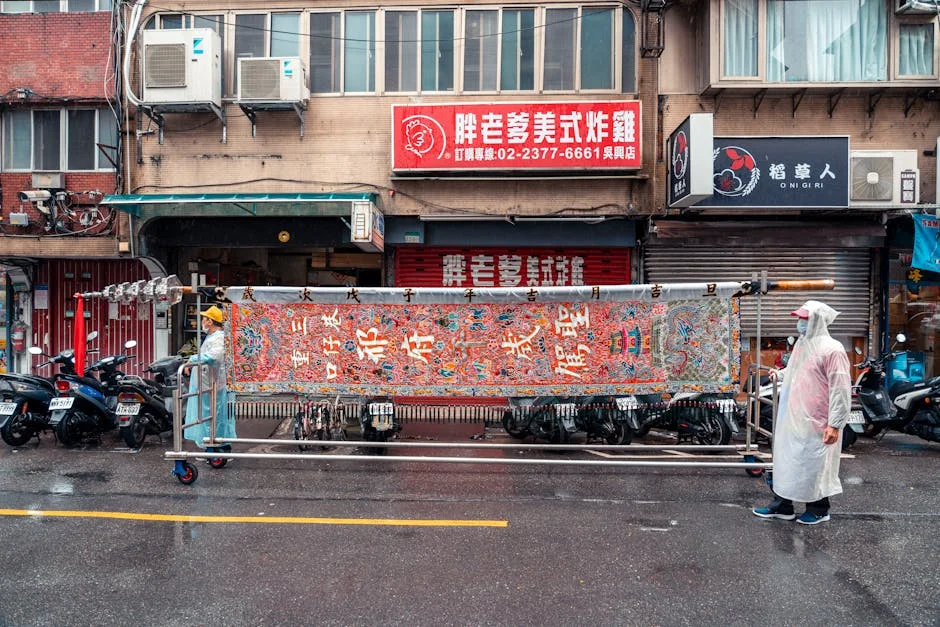
Local legislators have begun using the Indian workforce as a focal point for their campaign strategies. One prominent candidate in the New Taipei district launched a series of posters that read, "No Indian Workers," aiming to resonate with local voters concerned about wage stagnation. This direct approach contrasts with previous election cycles where foreign labor was a secondary issue. The campaign team behind the billboards claims they are simply reflecting the concerns of local small business owners.
These politicians argue that an oversupply of foreign engineers drives down salaries for mid-level Taiwanese professionals. They point to data showing a significant increase in the number of work permits issued to Indians over the last five years. The narrative suggests that without political intervention, local workers will face greater competition for high-paying roles in the tech hub. This argument has found traction in suburban areas where housing costs are already pressing on middle-class families.
The timing of these advertisements is strategic, appearing just as the first round of voting approaches. Campaign managers believe that framing the election as a choice between local and foreign labor will mobilize undecided voters. Indian residents in these neighborhoods say the visibility of the billboards creates a palpable tension in daily life. They report being asked directly about their employment status by neighbors and local shopkeepers.
Impact on Daily Life and Community
The social atmosphere in areas like Hsinchu Science Park has changed noticeably since the billboards went up. Indian professionals who have lived in Taiwan for years say they feel less welcome in their communities. Simple interactions at local markets or cafes have become charged with unspoken questions about job security. Some expats report hearing comments from locals who believe the influx of Indian talent is a direct result of government policy.
This social friction affects more than just professional relationships. Families with school-aged children worry about how the political climate will influence their kids' social integration. Teachers in international schools in Taipei note that students are beginning to discuss the election rhetoric in the classroom. The uncertainty creates a layer of stress for Indian workers who had previously felt integrated into the local fabric.
Community leaders within the Indian expat group have held emergency meetings to discuss the situation. They are coordinating with local Tamil and Hindi-speaking communities to gauge the breadth of the impact. The goal is to present a unified front that highlights the economic contributions of Indian professionals. These leaders argue that Indian workers often fill specialized roles that locals are reluctant to take, thus complementing rather than competing with the local labor force.
Workplace Dynamics and Social Integration
Workplaces are also feeling the pressure of the political messaging. Some Taiwanese managers report that local staff are more likely to question why Indian hires were chosen for specific projects. This creates an awkward dynamic in offices that pride themselves on meritocracy. Indian engineers say they are working harder to prove their value in meetings and presentations. The need to constantly justify their presence adds an invisible workload to their daily tasks.
Social integration efforts have slowed as a result of the tension. Indian expats who used to host potluck dinners with Taiwanese neighbors have seen lower turnout rates. Local invitations to weekend gatherings have become less frequent. This social distancing makes it harder for new arrivals to build support networks in the island. The sense of isolation is particularly strong for those living in apartment complexes with mixed nationalities.
Despite the challenges, some positive interactions continue. Long-term residents emphasize that the billboards represent a political tactic rather than the view of every citizen. Many Taiwanese colleagues remain supportive and vocal about the value of diversity in the workplace. These personal relationships serve as a buffer against the broader political narrative. Expats who maintain strong local friendships report feeling more secure in their daily lives.
Economic Reality Behind the Rhetoric
The economic arguments driving the "No Indian Workers" campaign rely on specific data points. Taiwan has issued over 100,000 work permits to Indian nationals in the last decade, a figure that has tripled in the last five years. This growth is largely concentrated in the semiconductor, software development, and finance sectors. Politicians use this statistic to argue that the market is becoming saturated with foreign talent. They claim this saturation suppresses wage growth for locals with similar skill sets.
However, economists offer a different perspective on these numbers. Many point out that the roles filled by Indian professionals are often highly specialized and require niche technical skills. Positions in advanced chip design or cloud infrastructure management are not always filled by the local talent pool due to educational pipelines. The argument here is that Indian workers expand the total size of the economic pie rather than just dividing it among locals. This view suggests that the competition is more complementary than direct.
Small business owners, the target audience for these political ads, have mixed reactions. Some retail and service sector bosses complain that Indian workers are staying in the country longer than expected. They worry that this reduces the churn of labor and makes it harder to fill entry-level roles. Other business leaders, particularly in tech startups, argue that Indian talent brings global connections and innovative approaches. They see the influx as a strategic advantage for the local economy.
The debate over economic impact is central to the election outcome. Voters are trying to decide whether the presence of Indian workers is a net positive or negative for their wallets. This economic anxiety is being leveraged by politicians to secure votes in swing districts. The real economic data is complex, but the political message is simplified and direct. This simplification makes it easier for voters to grasp but less accurate in reflecting the full economic picture.
Government Response and Policy Outlook
The Ministry of Labor has monitored the political campaign closely. Officials have stated that the current work permit system is designed to address specific skill gaps in the Taiwanese economy. They argue that the influx of Indian workers is a result of market forces and strategic hiring by major corporations. The ministry has not yet announced any immediate policy changes in response to the election rhetoric. However, internal reviews of visa durations and renewal processes are underway.
Political parties representing Indian voters' interests in the National Assembly have begun to voice their concerns. They have written letters to the Ministry of Foreign Affairs requesting a more coordinated diplomatic response. These letters highlight the risk of social fragmentation if the political rhetoric continues to escalate. The goal is to ensure that Indian professionals are treated fairly and that their contributions are recognized officially. This diplomatic effort aims to prevent the election from turning into a broader social conflict.
Local mayors in key districts have also weighed in on the issue. Some have called for town hall meetings to bring together Indian and Taiwanese residents. These meetings aim to facilitate direct dialogue and reduce misunderstandings. Mayors argue that local governance requires social cohesion, which is currently under pressure from the national political campaign. These grassroots efforts are seen as a way to humanize the debate and move beyond the billboard slogans.
What to Watch Next
The first round of voting in the Taipei and New Taipei districts is scheduled for next month. Results from these key constituencies will indicate how much weight voters give to the "No Indian Workers" message. A strong showing for candidates using this rhetoric would signal a potential shift in local policy. This could lead to stricter visa requirements or new taxes on foreign workers in the coming years. Voters should monitor the final campaign speeches for any concrete policy proposals related to foreign labor.
Business leaders in the semiconductor industry are also preparing for potential changes. They are reviewing their hiring strategies and considering how political outcomes might affect their talent pipelines. Any shift in sentiment could lead to a freeze in hiring or a change in the types of roles offered to Indian professionals. The industry's response will be a key indicator of the economic impact of the election. Keep an eye on statements from major tech firms in Hsinchu in the weeks following the vote.
See Also
- Sebi Revises AIF Reporting Norms: What This Means for Investors in India
- Oyo APC Slams Makinde Over Insecurity – Calls for Immediate Resignation
The industry's response will be a key indicator of the economic impact of the election. Results from these key constituencies will indicate how much weight voters give to the "No Indian Workers" message.
What is the latest news about taiwan election billboards target indian workers tensions rise?
Why does this matter for local-news?
What are the key facts about taiwan election billboards target indian workers tensions rise?