Prime Minister Narendra Modi has formally conveyed his deepest condolences to the people of China following a devastating coal mine blast that has claimed at least 90 lives. The tragedy, which struck deep within the mining heartland of Shanxi province, has sent shockwaves through the region and prompted an immediate diplomatic response from New Delhi. This event underscores the fragile human element behind the booming energy sectors that drive both Asian economies.
A Devastating Blow to Shanxi’s Mining Community
The explosion occurred at a major coal facility in Shanxi, a province that serves as the primary engine for China’s domestic energy production. Local emergency services rushed to the site in the early hours, battling smoke and structural instability to reach trapped workers. The death toll has risen to 90, with several others still listed as missing as rescue operations continue under harsh underground conditions.
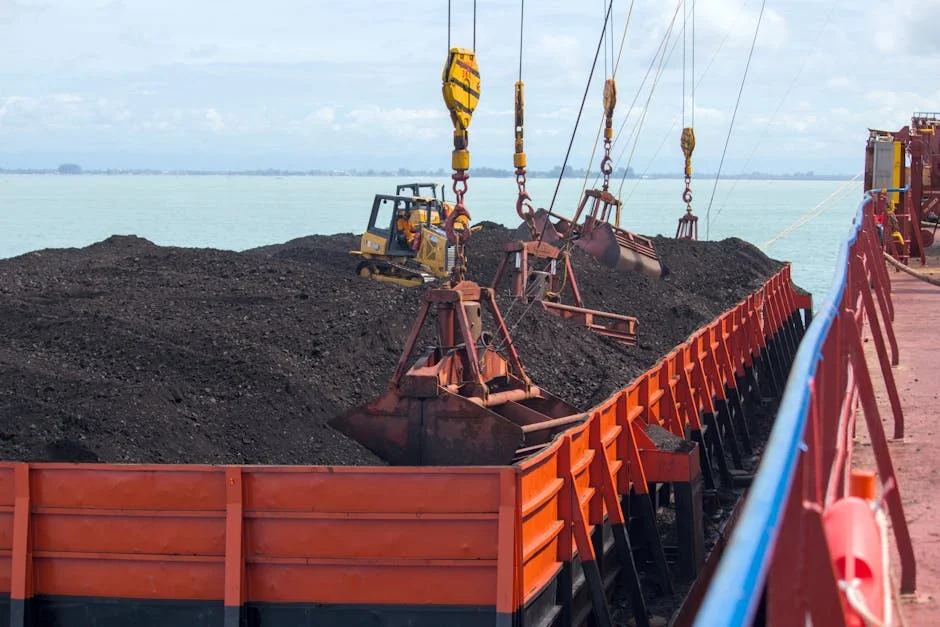
For the families living in the surrounding towns, the news has brought a sudden, crushing grief. Miners in this region often work long shifts in relatively small, close-knit communities where every worker is known by name. The loss of nearly one hundred men in a single incident has paralyzed local social structures and raised urgent questions about safety protocols in rapidly expanding industrial zones.
Modi’s Diplomatic Response Highlights Regional Ties
Prime Minister Modi’s message of condolence is not merely a ceremonial gesture; it reflects the complex and growing relationship between India and China. In his statement, the Indian leader expressed sympathy for the bereaved families and wished a speedy recovery for the injured. This diplomatic outreach is significant given the current geopolitical climate, where trade and territorial disputes often dominate headlines between the two Asian giants.
The Indian government’s quick reaction demonstrates a strategic effort to maintain warmth in bilateral relations despite occasional tensions. By acknowledging the human cost of the disaster, New Delhi aims to foster goodwill and open channels for future cooperation. This approach aligns with broader efforts to stabilize economic and political dialogues across the region, ensuring that people-to-people connections remain strong even when state-level negotiations face hurdles.
Diplomatic Channels and Economic Implications
The immediate aftermath of the blast has seen increased communication between the embassies of India and China in Beijing and New Delhi. These talks are expected to focus not only on the humanitarian aspect of the tragedy but also on potential collaborations in mining technology and safety standards. Both nations are heavily reliant on coal, and sharing best practices could lead to tangible improvements in worker safety across the continent.
Analysts suggest that this moment of shared grief could serve as a soft-power tool for both governments. By highlighting mutual concerns over industrial safety, leaders can build a narrative of commonality that transcends border disputes. For Indian citizens, this means a potentially more stable trade environment, which directly impacts prices and availability of imported goods ranging from electronics to raw materials.
The Human Cost: Life in the Mining Belt
Behind the statistics and diplomatic notes lies the stark reality of life for miners in Shanxi and similar regions. These workers often endure long hours, dusty conditions, and constant pressure to meet production targets. The recent blast has reignited debates about whether safety measures keep pace with the rapid expansion of mining operations. Families in these communities live with the constant anxiety that a single shift could alter their financial and social stability forever.
The economic impact on the local community is immediate and severe. With 90 primary breadwinners lost or injured, many households face sudden financial insecurity. Local businesses that rely on the steady income of miners are also feeling the pinch, leading to a ripple effect that extends beyond the mine shafts. This economic vulnerability highlights the need for robust social safety nets and better insurance coverage for workers in high-risk industries.
Safety Standards Under Scrutiny
The Shanxi blast has triggered a rigorous review of safety protocols in China’s coal sector. Government officials have launched an inquiry to determine the root causes of the explosion, with preliminary reports pointing to potential methane gas buildup. This investigation is likely to result in stricter enforcement of existing regulations and possibly the introduction of new technological requirements for mines across the country.
For India, which also has a vast and sometimes hazardous coal mining sector, this incident serves as a cautionary tale. Indian policymakers are closely monitoring the developments in China to assess how new safety measures are implemented. There is a growing recognition that adopting advanced monitoring technologies and enforcing stricter compliance can significantly reduce accident rates. This learning opportunity could lead to policy reforms that directly benefit Indian miners and their families.
Regional Economic Ripples
The disruption in Shanxi’s coal production is expected to have minor but noticeable effects on regional energy markets. As one of the key suppliers, any slowdown in output can lead to price fluctuations in neighboring provinces and potentially affect exports. India, being a major importer of Chinese manufactured goods that rely on coal-powered energy, may see indirect impacts on supply chains and pricing. However, the immediate effect is likely to be contained within China’s domestic market.
Local economies in Shanxi are bracing for a period of adjustment. The closure of the affected mine and potential inspections at others could lead to temporary layoffs and reduced economic activity. This situation underscores the interconnectedness of regional economies and the vulnerability of communities that depend heavily on a single industry. For citizens in the region, this means uncertainty and the need for adaptive economic strategies to withstand such shocks.
Community Resilience and Support Systems
In the wake of the tragedy, local communities in Shanxi have rallied to support the affected families. Charitable donations, community funds, and government aid packages are being mobilized to provide immediate relief. This grassroots response highlights the strong social fabric in these mining towns, where neighbors often step in to fill gaps left by formal support systems. Such resilience is crucial for helping communities recover from sudden and severe losses.
Indian civil society organizations and diaspora groups have also expressed solidarity with the Chinese families. This cross-border empathy reinforces the idea that despite political differences, the human experience of loss and recovery is universal. These expressions of support contribute to a positive narrative in bilateral relations, fostering a sense of shared humanity that can withstand political fluctuations. For the average citizen, this means a more nuanced understanding of international relations that goes beyond headlines and trade figures.
Looking Ahead: What to Watch Next
The coming weeks will be critical in determining the long-term impact of the Shanxi coal mine blast. The official investigation report, expected to be released within a month, will likely dictate new safety regulations that could reshape the mining industry in China. Indian observers will be watching closely to see how these changes are implemented and whether they offer lessons for India’s own mining sector.
Diplomatically, the condolence message from Prime Minister Modi sets the stage for further engagement between India and China. The next bilateral summit or ministerial meeting will be an important test of whether this moment of shared sympathy can translate into concrete cooperation on trade, technology, and environmental issues. Citizens in both countries should monitor these developments, as they will influence the economic and social landscape in the years to come. The focus will remain on how effectively both nations can turn this tragedy into a catalyst for improved safety and stronger regional ties.
See Also
- Meghalaya Bans Non-Tribal Candidates From Council Polls — Controversy Erupts
- Rinku Singh Explained: How His Heroics Define IPL 2026