Vikram Sao, a humble street vendor in West Bengal, has found himself at the center of a political storm after selling a plate of jhalmuri to Prime Minister Narendra Modi. The viral moment, which showcased a warm interaction between the leader and a local trader, has triggered unexpected backlash from neighboring Bangladesh. Sao reports receiving direct threats, turning a simple commercial transaction into a complex regional diplomatic incident that affects ordinary citizens on both sides of the border.
The Viral Encounter in Siliguri
The incident took place during Prime Minister Modi’s recent campaign trail in West Bengal. Sao, who runs a small food stall in Siliguri, served the Prime Minister a popular local snack known as jhalmuri. The image of the Prime Minister enjoying the spicy puffed rice snack spread rapidly across social media platforms within hours. It became a symbol of grassroots connectivity for the Bharatiya Janata Party’s campaign strategy in the eastern state.
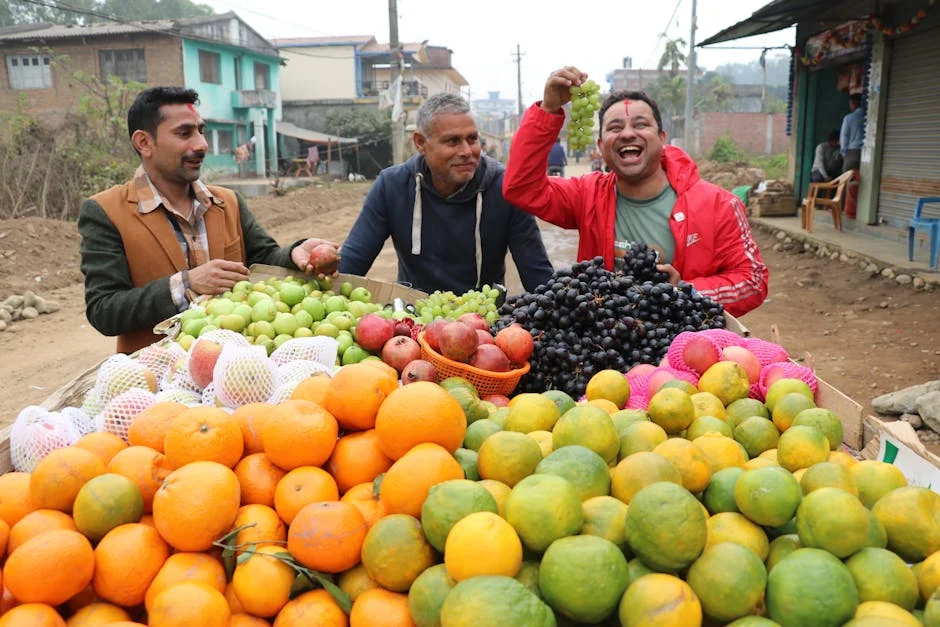
For Sao, the encounter was initially a source of immense pride and potential economic opportunity. His small stall saw a surge in customers eager to try the same snack that the national leader had enjoyed. However, the visibility also brought scrutiny. The simplicity of the interaction was interpreted by various political factions as a deliberate symbolic gesture, highlighting the cultural and culinary ties between the two nations. This interpretation has had unintended consequences for the vendor himself.
Threats Emerge from Across the Border
Despite the festive nature of the political rally, Sao has reported receiving unsettling communications from individuals in Bangladesh. These threats appear to stem from heightened political sensitivities regarding the India-Bangladesh border relations. The vendor’s name and image have become symbols in a broader narrative about regional influence and cultural identity. Local police in Jalpaiguri district have begun monitoring the situation to ensure the safety of the vendor and his family.
The nature of these threats ranges from verbal warnings to digital harassment on social media platforms. Sao has stated that the pressure has made it difficult to conduct business as usual. The incident highlights how local interactions can quickly escalate into regional diplomatic friction. It underscores the vulnerability of ordinary citizens when they become unwitting participants in high-stakes political theater. The local community in Siliguri has rallied around Sao, offering protection and moral support against the external pressure.
Understanding the Political Context
The tension reflects the complex geopolitical dynamics between India and Bangladesh. While trade and cultural exchanges have increased, political rhetoric often highlights border disputes and migration issues. The jhalmuri incident has been used by political commentators to illustrate these broader themes. It is not merely about a snack; it is about perceived cultural dominance and national pride. This context is crucial for understanding why a simple act of selling food has triggered such a strong reaction from across the border.
Political analysts note that such incidents are becoming more common in the digital age. Social media amplifies local events, giving them regional or even national significance. The speed at which the story spread allowed for rapid political interpretation. Both Indian and Bangladeshi media outlets covered the event, often adding layers of meaning that were not present in the original interaction. This media frenzy has put additional pressure on the vendor and his local community.
Impact on Local Communities in West Bengal
The incident has direct implications for the local economy in Siliguri and surrounding areas. Small vendors are now wary of high-profile interactions, fearing that visibility might bring unwanted attention. This caution could affect the vibrancy of local markets, which rely on the charm and personal connection with customers. The fear of becoming a political symbol can deter entrepreneurs from engaging with prominent visitors, potentially altering the social fabric of these communities.
Community leaders in West Bengal have expressed concern over the safety of local traders. They argue that the state government must provide better security measures for vendors who become viral sensations. The incident has sparked a debate about the responsibilities of political parties towards the individuals who feature in their campaigns. Residents are calling for a more structured approach to managing the aftermath of such high-profile encounters to prevent long-term disruption to local livelihoods.
The social impact extends beyond the immediate vicinity of the vendor’s stall. It has reignited discussions about the relationship between India and Bangladesh at the grassroots level. People in border towns are paying closer attention to cross-border sentiments. This heightened awareness can lead to both greater cooperation and increased friction, depending on how local leaders manage the narrative. The community is watching to see if this incident will become a recurring pattern or an isolated event.
Regional Economic and Social Ripples
The economic implications of the incident are subtle but significant. The jhalmuri seller’s stall has become a minor tourist attraction, drawing visitors from nearby towns. This influx of customers has provided a temporary boost to Sao’s income. However, the sustainability of this boost is uncertain. If the political tension escalates, potential customers might be deterred by the associated drama. The local economy is thus tied to the stability of the regional political climate.
Furthermore, the incident highlights the importance of the informal sector in West Bengal. Small vendors like Sao play a crucial role in the local economy, providing employment and affordable food options. Their vulnerability to political and social changes is often overlooked. This event brings attention to the need for better support systems for these micro-entrepreneurs. It also underscores the interconnectedness of local markets with broader regional politics. Any disruption in this sector can have cascading effects on the local community.
Diplomatic Sensitivities and Border Relations
The threats received by Sao reflect the delicate nature of India-Bangladesh relations. While the two countries share strong trade ties, political differences often surface in public discourse. The incident has been viewed through the lens of these broader diplomatic relations. It serves as a reminder that local events can have international repercussions. The Indian government is likely monitoring the situation to ensure it does not escalate into a larger diplomatic dispute.
Bangladesh’s reaction to the incident is not uniform. Some sections of the population view the jhalmuri interaction as a friendly cultural exchange. Others see it as a symbolic assertion of Indian influence. This divergence in opinion highlights the complexity of public sentiment in neighboring countries. It also suggests that local governments on both sides of the border need to manage public perception carefully. Misinterpretations of simple gestures can lead to unnecessary tension.
Security Measures for Local Vendors
In response to the threats, local authorities in West Bengal have increased security patrols in the Siliguri area. The police have also advised other high-profile vendors to maintain a low profile. These measures aim to prevent further escalation and ensure the safety of the vendors. The government is also considering establishing a liaison office to handle similar incidents in the future. This proactive approach could help mitigate the impact of political symbolism on ordinary citizens.
The security response is crucial for maintaining public confidence in the local economy. If vendors feel unsafe, they may reduce their operating hours or relocate their stalls. This could lead to a decline in the vibrancy of local markets. The government’s ability to manage this situation will be tested in the coming weeks. It will set a precedent for how future high-profile interactions are handled in the region. The focus is on balancing visibility with security for these small business owners.
What to Watch Next
The situation remains fluid, and several developments are expected in the coming days. Local politicians from both India and Bangladesh are likely to make statements regarding the incident. These statements could either calm tensions or further inflame public opinion. The reaction of the general public on social media will also play a significant role in shaping the narrative. Monitoring these reactions will provide insight into the broader sentiment in the region.
Citizens in West Bengal and Bangladesh should watch for any official diplomatic communications regarding the incident. The governments of both countries may use this event to signal their broader stance on border relations. Additionally, the local community in Siliguri will be closely monitoring the safety of Vikram Sao. His continued ability to operate his stall will be a barometer for the stability of the local environment. The outcome of this incident could influence how future political campaigns engage with local vendors and communities.
See Also
- Stormers Rugby Unites Under Single Banner: What It Means for Local Fans
- Poker Star Loses $48M Career to US Tax Changes
Furthermore, the incident highlights the importance of the informal sector in West Bengal. Regional Economic and Social Ripples The economic implications of the incident are subtle but significant.
What is the latest news about bengal vendors viral moment turns sour as neighbors send threats?
Why does this matter for culture-religion?
What are the key facts about bengal vendors viral moment turns sour as neighbors send threats?