The Punjab government in Pakistan has officially renamed a prominent Lahore intersection, replacing the long-standing name of Babri Masjid Chowk with Jain Mandir Road. This administrative decision, announced by the provincial cabinet, marks a significant shift in the urban nomenclature of Pakistan’s largest city. The change affects daily navigation for millions of commuters and carries deep symbolic weight for communities on both sides of the India-Pakistan border.
Citizens in Lahore are adjusting to the new signage that now greets them at one of the city’s busiest junctions. The renaming is part of a broader initiative by the Punjab provincial administration to revise the names of several streets and landmarks. This move has triggered immediate reactions from locals, historians, and political observers who see the change as more than just a geographical update. It reflects a deliberate effort to reshape the cultural narrative embedded in the city’s infrastructure.
The New Name and Its Historical Roots
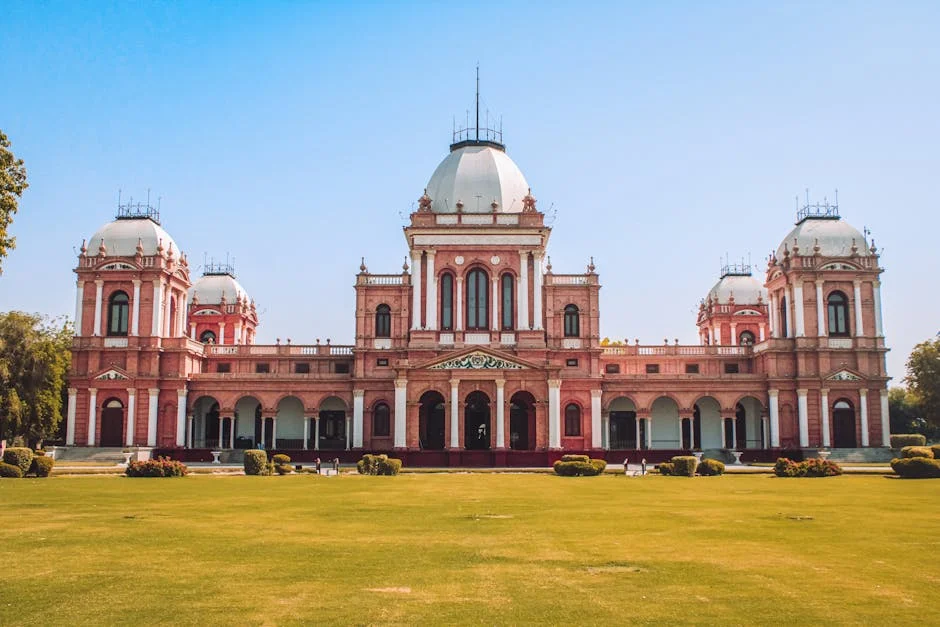
Jain Mandir Road now stands as the official designation for the area previously known as Babri Masjid Chowk. The new name references the historic Jain temple that once stood in the vicinity, a relic of the diverse religious heritage that characterized the region before the partition of India in 1947. Lahore has long been a melting pot of cultures, and this renaming seeks to highlight the pre-partition Jain presence in the city. The temple itself was a significant landmark for the local Jain community, who were a prominent mercantile group in Lahore.
The choice of this specific name is not arbitrary. It serves as a reminder of the multi-faith composition of Lahore before the demographic shifts caused by the creation of Pakistan and India. Historians note that the Jain community played a crucial role in the economic development of the Punjab region. By restoring this name, the government aims to acknowledge a layer of history that has often been overshadowed by more recent political narratives. This acknowledgment resonates with those interested in the deeper historical tapestry of South Asia.
Understanding the Historical Context
The history of Lahore is deeply intertwined with the stories of its diverse religious communities. The Jain temple, known locally as the Jain Mandir, was a center of worship and community gathering for decades. Its prominence in the city’s landscape made it a natural reference point for locals. The decision to name the road after this temple is a direct nod to this historical significance. It challenges the monolithic view of Lahore’s history and invites a more nuanced understanding of its past. This context is essential for anyone seeking to understand the full scope of the renaming decision.
For many residents, the old name, Babri Masjid Chowk, was a familiar part of their daily lives. It referenced the famous mosque in Ayodhya, India, which has been a focal point of India-Pakistan political and religious discourse for decades. The shift away from this name signals a move to de-emphasize certain political symbols in favor of local historical references. This change reflects a broader trend in urban planning where local heritage is prioritized over transnational political symbols. The implications of this shift are being felt by citizens who navigate these streets every day.
Impact on Daily Life in Lahore
The renaming of Babri Masjid Chowk to Jain Mandir Road has immediate practical implications for the people of Lahore. Commuters, taxi drivers, and delivery services must now adapt to the new nomenclature. This transition period involves updating maps, road signs, and digital navigation systems. For the average citizen, this means a temporary period of confusion as they adjust to the new name. However, the long-term effect is a more historically accurate reflection of the city’s heritage. This change is not just symbolic; it is a functional update to the city’s infrastructure.
Local businesses located near the chowk are also affected by the renaming. Shop owners and restaurant managers are updating their addresses and marketing materials to reflect the new street name. This process involves costs and logistical efforts, but it also presents an opportunity to highlight the historical significance of the area. Some business owners view the change as a chance to attract tourists and history enthusiasts who are interested in the Jain heritage of Lahore. The economic impact of this renaming is likely to be modest but noticeable in the immediate vicinity of the chowk.
The social impact of the renaming is perhaps more profound. For the local Jain community, which is now a small but vibrant group in Lahore, the renaming is a source of pride and recognition. It validates their historical presence and contributions to the city. For the broader Muslim population, the change is generally seen as a celebration of Lahore’s diverse past rather than a diminishment of its Islamic heritage. This inclusive approach to urban nomenclature is likely to foster a sense of shared history among different communities. The social cohesion in Lahore is strengthened by such acknowledgments of diversity.
Punjab Government’s Broader Renaming Initiative
The renaming of Jain Mandir Road is part of a larger strategy by the Punjab government to revise the names of streets and landmarks across the province. This initiative aims to create a more coherent and historically accurate map of Punjab’s urban areas. The government has identified several other streets and chowks for renaming, each chosen for its historical or cultural significance. This comprehensive approach ensures that the changes are not isolated incidents but part of a systematic effort to redefine the city’s identity. The Punjab government’s commitment to this project is evident in the resources allocated to the initiative.
The selection process for the new names involves input from historians, local residents, and government officials. This collaborative approach ensures that the chosen names are well-researched and widely accepted. The government has also engaged with local communities to gather feedback and address any concerns. This transparency helps to build public support for the renaming project. The Punjab government’s efforts to involve citizens in the decision-making process are a model for other provinces looking to undertake similar initiatives. The success of this project will depend on the continued engagement of stakeholders.
The broader renaming initiative is expected to take several years to complete. The government has set a timeline for the phased implementation of the new names. This allows for a smooth transition and minimizes disruption to daily life. The Punjab government’s long-term vision for Lahore’s urban landscape is to create a city that reflects its rich and diverse history. This vision is being realized through the careful selection and implementation of new street names. The project is a testament to the government’s commitment to preserving and promoting Lahore’s cultural heritage.
Reactions from India and Pakistan
The renaming of Babri Masjid Chowk has drawn attention from both India and Pakistan. In India, the change has been viewed through the lens of the ongoing India-Pakistan relationship. Some political commentators see the renaming as a gesture of goodwill or a strategic move to soften diplomatic tensions. Others view it as a domestic decision with limited diplomatic significance. The reaction in India is mixed, with some seeing it as a positive step towards acknowledging shared history, while others remain skeptical. The political discourse in India continues to evolve as more details about the renaming emerge.
In Pakistan, the renaming has been largely welcomed as a celebration of Lahore’s diverse heritage. Many citizens appreciate the effort to highlight the pre-partition history of the city. The change is seen as a way to move beyond the often polarizing symbols of India-Pakistan relations. This domestic support for the renaming reflects a growing interest in local history and cultural identity. The Pakistani public’s reaction to the renaming is a positive indicator of the project’s success. The government’s decision to rename the chowk is likely to be viewed favorably by a wide cross-section of the population.
The international community has also taken note of the renaming. Historical societies and cultural organizations in South Asia have praised the decision as a step towards a more inclusive understanding of the region’s history. The renaming is seen as a model for other cities in South Asia looking to reclaim their diverse heritage. This international recognition adds to the significance of the project. The Punjab government’s efforts to rename streets in Lahore are contributing to a broader conversation about historical memory and cultural identity in South Asia.
What This Means for Regional Identity
The renaming of Jain Mandir Road is more than a change in street signs; it is a statement about regional identity. It reflects a desire to define Lahore not just by its current political context but by its deep historical roots. This shift in focus has the potential to influence how the city is perceived both domestically and internationally. The new name invites people to explore the layers of history that make Lahore unique. This exploration can lead to a richer understanding of the region’s cultural landscape. The renaming project is a catalyst for a deeper engagement with Lahore’s history.
For citizens of Lahore, the new name is a reminder of the city’s capacity for diversity and inclusivity. It challenges the notion that Lahore’s history is defined by a single narrative. Instead, it presents a more complex and multifaceted picture of the city’s past. This nuanced view of history is essential for fostering a sense of shared identity among the city’s diverse population. The renaming project is a tool for social cohesion and cultural preservation. It helps to build a more inclusive and historically aware society in Lahore.
The impact of this renaming extends beyond Lahore. It sets a precedent for other cities in South Asia to reconsider their urban nomenclature. The success of the Punjab government’s initiative could inspire similar projects in other regions. This ripple effect has the potential to reshape the cultural landscape of South Asia. The renaming of Jain Mandir Road is a small but significant step towards a more comprehensive understanding of the region’s history. It is a project that has the potential to influence the way people think about their shared heritage.
Looking Ahead: Next Steps and Future Changes
The Punjab government has announced that the renaming of Jain Mandir Road is just the beginning. Several other streets and chowks in Lahore are slated for renaming in the coming months. The government has published a list of proposed names, inviting public feedback and suggestions. This ongoing process ensures that the renaming project remains dynamic and responsive to the needs of the community. Citizens are encouraged to stay informed about the upcoming changes and participate in the decision-making process. The future of Lahore’s urban landscape will be shaped by these continued efforts.
The implementation of the new names will require coordination between various government departments and local authorities. This includes the installation of new road signs, the updating of digital maps, and the revision of official documents. The government has set a deadline for the completion of these tasks. This timeline ensures that the transition is managed efficiently and with minimal disruption. The success of the project will depend on the effective execution of these logistical details. Citizens should expect to see the new names fully integrated into the city’s infrastructure in the near future.
As the renaming project progresses, it will be important to monitor the public’s reaction and the practical impact of the changes. The government has committed to a review process to assess the effectiveness of the initiative. This review will inform future decisions about urban nomenclature in Lahore and other parts of Punjab. The ongoing dialogue between the government and the citizens will be crucial for the long-term success of the project. The renaming of Jain Mandir Road is a starting point for a broader conversation about the identity and history of Lahore. The next few months will reveal how well this new approach resonates with the people of Lahore.