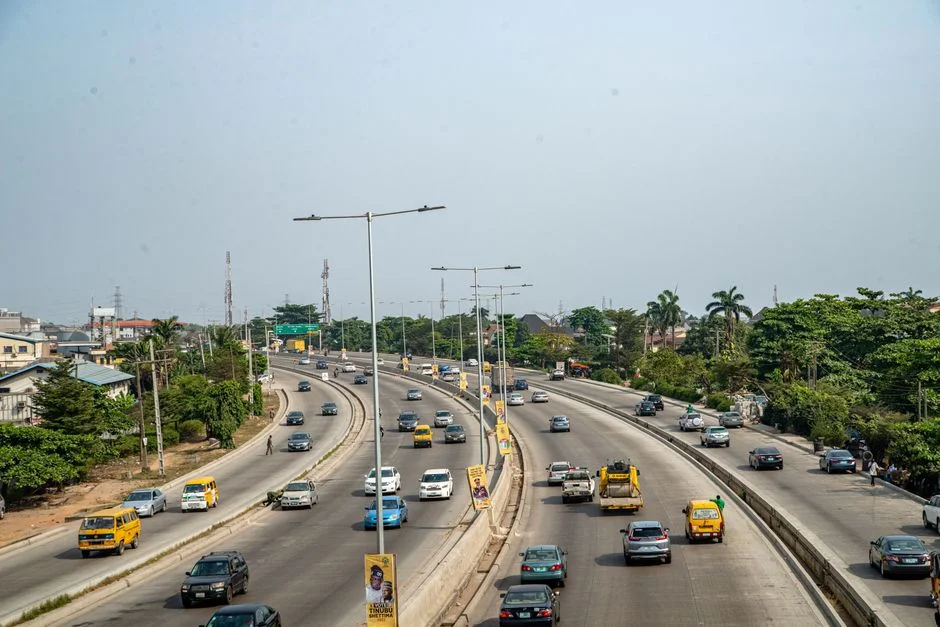
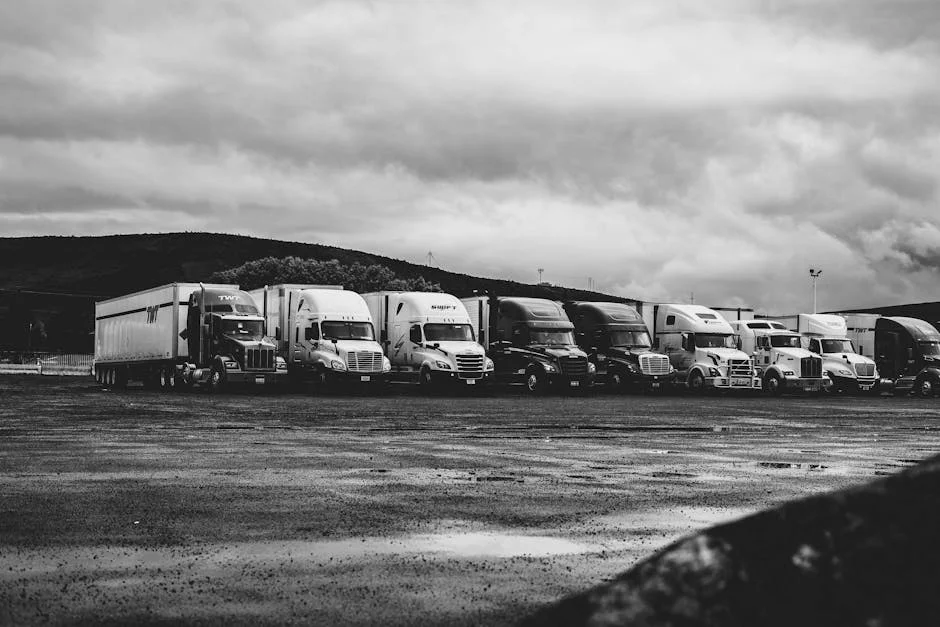
Transport unions in Delhi are gearing up for a three-day strike starting from November 1, 2023, in response to soaring fuel prices and what they describe as an 'unjust' tax hike. The All India Motor Transport Congress (AIMTC) and the Goods Transport Association are leading the call for action, which could significantly disrupt daily commuting and goods transport across the capital.
Rising Fuel Prices Trigger Transport Unrest
In the past month, fuel prices in Delhi have surged, with petrol now costing approximately ₹110 per litre, exacerbating the financial strain on transport operators. The AIMTC argues that these escalating costs threaten to cripple the livelihoods of truck drivers and operators, who are already facing economic challenges due to the ongoing recovery from the pandemic.
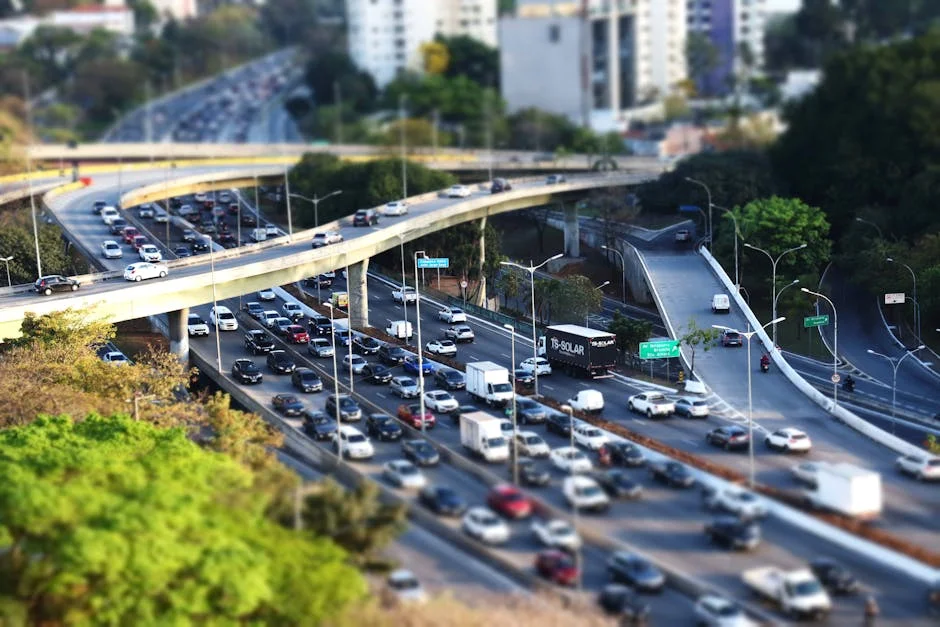
Transport unions estimate that around 1.5 million commercial vehicles operate within Delhi, with many relying heavily on diesel, which has also seen price increases. The unions state that the government's failure to address these rising costs has led to widespread anger among drivers and their families.
Tax Hike Sparks Controversy
Alongside the fuel price increases, the recent tax hike has drawn sharp criticism from transport unions. The AIMTC has labelled the tax adjustment as 'unjust' and detrimental to the transport industry's recovery. Union leaders argue that the tax increase will further inflate the cost of living for residents, affecting not just transporters but all Delhiites.
Rakesh Kharbanda, a representative from the AIMTC, stated, "These tax hikes will force transport costs to rise, leading to higher prices for essential goods in Delhi. We cannot accept this burden without a fight." His comments reflect the growing frustration among transport workers who feel neglected by policymakers.
Community Impact of the Strike
The planned strike threatens to disrupt daily life in Delhi, with potential consequences for commuters, businesses, and supply chains. Essential services, including food delivery and public transportation, could face significant delays or even complete shutdowns during the three-day strike. This disruption may lead to food shortages in markets and higher prices, impacting citizens' daily lives.
Local businesses, which rely on timely deliveries for their operations, are bracing for an economic impact. Many companies have begun stockpiling goods to mitigate the expected shortages, but this is not a sustainable solution for the long term. The strike could also lead to increased traffic congestion as commuters seek alternative modes of transport.
Government Response and Next Steps
In response to the unions' actions, Delhi's government has urged for dialogue to address the concerns raised by the transport sector. Authorities have stated they are considering reviewing the tax structure to alleviate some of the burdens on transporters. However, union leaders remain sceptical about the government's commitment to meaningful change.
As the strike date approaches, transport unions are preparing for a significant turnout and have encouraged drivers and operators to unite in solidarity. The AIMTC is also planning to escalate their actions if their demands are not met post-strike, indicating a potential for ongoing unrest in the sector.
What Lies Ahead for Delhi's Transport Sector
Looking forward, the outcome of the strike and potential negotiations between the AIMTC and government will be crucial in shaping the future of Delhi's transport landscape. Residents and businesses should prepare for possible disruptions and consider alternative plans for commuting and logistics.
With the strike scheduled to start on November 1, all eyes will be on the developments in the coming days. Stakeholders are urged to stay informed on government responses and the unions' next steps as the situation unfolds.
See Also
- BJP Launches Missing CM Poster Blitz in Jammu and Kashmir
- India Confirms Resolution of Key Issues in US Trade Deal — Impact on Local Economy Looms
See AlsoBJP Launches Missing CM Poster Blitz in Jammu and KashmirIndia Confirms Resolution of Key Issues in US Trade Deal — Impact on Local Economy Looms This disruption may lead to food shortages in markets and higher prices, impacting citizens' daily lives.Local businesses, which rely on timely deliveries for their operations, are bracing for an economic impact.