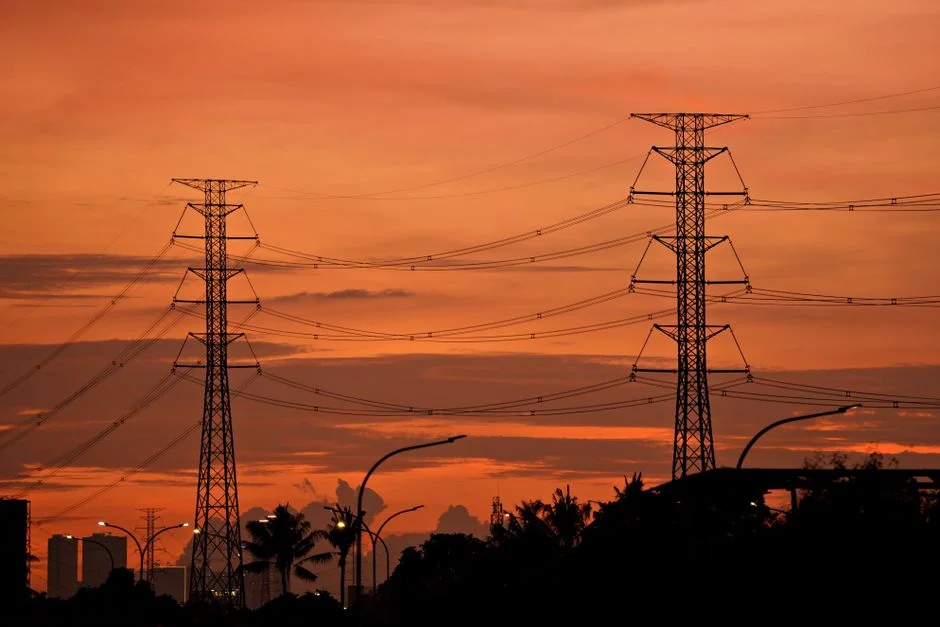
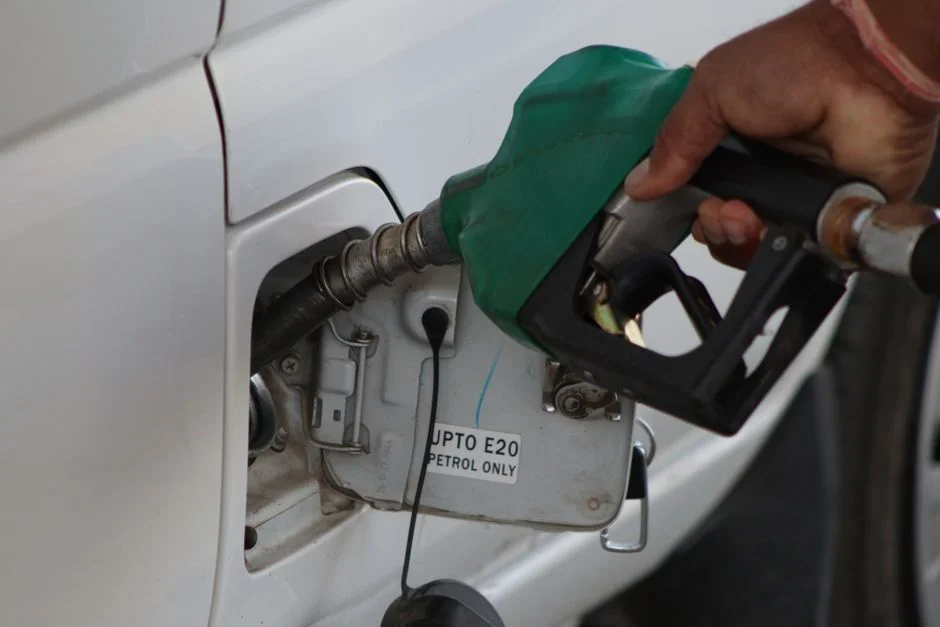
Russia has formally assured India of a steady flow of crude oil, directly impacting fuel costs for millions of citizens. This commitment comes as global energy markets face renewed uncertainty due to shifting geopolitical alliances. The agreement aims to stabilize prices in key metropolitan areas like Delhi and Mumbai.
Russia Secures Indian Energy Needs
The Russian Ministry of Energy has confirmed that supply chains remain robust despite external pressures. This direct assurance helps India avoid the sudden price spikes seen in other emerging markets. Officials in New Delhi have welcomed the move as a strategic buffer against inflation.
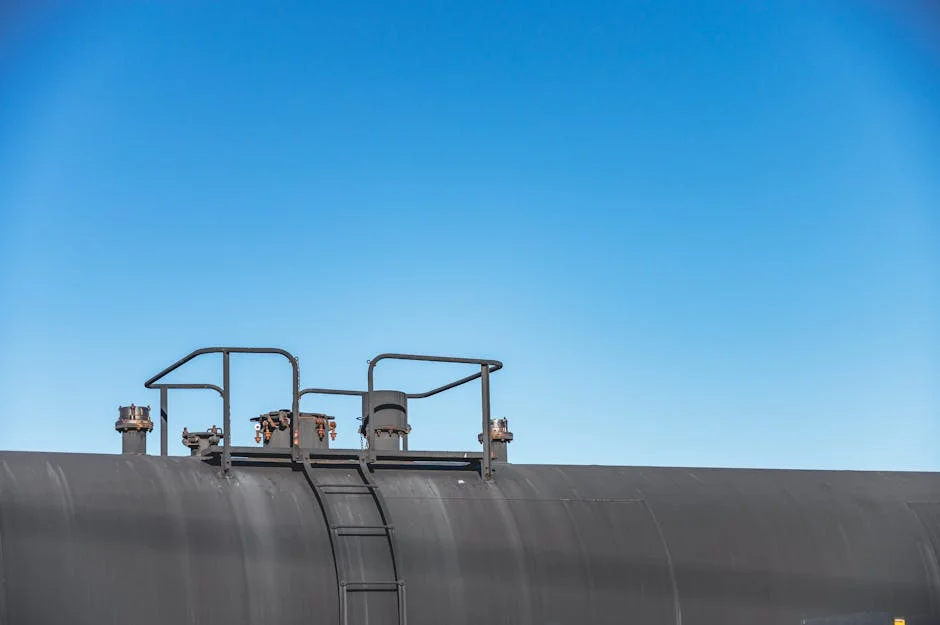
India relies heavily on Russian crude to keep domestic fuel prices manageable. The volume of imports has surged in the last twelve months, making Russia a top supplier. This dependency reduces the immediate burden on the Indian rupee against the dollar.
Local refineries in Gujarat and Maharashtra are processing these shipments at record rates. The efficiency of these facilities ensures that petrol and diesel reach retail outlets quickly. Consumers in these states have noticed a relative stability in pump prices.
Impact on Daily Life in Delhi
Citizens in Delhi are feeling the direct effects of this energy stability. Commuters spend less on daily travel, which helps stretch household budgets. This is particularly important for low-income families who rely on public transport.
The cost of goods also remains lower because transport logistics are cheaper. Vendors in local markets report that the price of vegetables and fruits has not skyrocketed. This indirect benefit supports the broader local economy in the National Capital Region.
Small business owners in Delhi depend on consistent fuel costs for their operations. A stable supply chain means fewer unexpected expenses for delivery services. This predictability allows for better financial planning for small enterprises.
Community Response to Price Stability
Local community leaders in Delhi have expressed relief at the current situation. They note that inflation pressures on households have eased slightly. This social stability is a direct result of smart energy procurement strategies.
Residents in suburban areas rely on petrol for daily commutes to work. The assurance of supply means fewer long queues at fuel stations. This small convenience improves the quality of life for thousands of daily wage earners.
Community groups are monitoring prices closely to ensure the benefits reach the end consumer. They argue that transparency in pricing is crucial for public trust. This engagement helps keep the government accountable to its citizens.
Economic Consequences for Local Markets
The local economy benefits from the predictability of energy costs. Manufacturers in industrial hubs like Pune and Chennai can plan production better. This stability attracts foreign investment into these key economic zones.
Exporters also gain from lower input costs for their goods. Indian textiles and automotive parts become more competitive in global markets. This boosts employment opportunities in manufacturing sectors across the country.
The government can allocate more funds to social welfare schemes. Savings on energy subsidies allow for better spending on health and education. This reallocation directly improves services for citizens in rural and urban areas.
Financial markets in India have reacted positively to the news. The rupee has shown signs of strength against major currencies. Investors view the energy deal as a stabilizing factor for the broader economy.
Global Context and Regional Stability
The global energy landscape is shifting rapidly with new alliances forming. India’s strategy of diversifying suppliers reduces its vulnerability to shocks. This approach sets a precedent for other emerging economies in the region.
Neighboring countries are watching India’s move closely for potential lessons. Some are considering similar agreements to secure their own energy needs. This regional trend could lead to a more stable Asian energy market.
The relationship between New Delhi and Moscow has deepened through this deal. It extends beyond energy into technology and defense sectors. This multi-dimensional partnership strengthens India’s geopolitical position.
Global oil prices remain volatile due to conflicts in the Middle East. India’s ability to lock in prices with Russia provides a buffer. This strategy protects the Indian consumer from immediate global fluctuations.
Future Outlook and Key Indicators
The next quarter will be critical for testing the durability of this supply chain. Weather patterns in the Baltic region could affect shipping schedules. India is monitoring these factors to ensure timely deliveries.
Analysts suggest that India may sign long-term contracts to secure better rates. These deals would provide even greater certainty for local economies. The government is expected to announce new terms in the coming months.
Citizens should watch for any changes in the rupee-dollar exchange rate. This factor will influence the final price of fuel at the pump. A stable currency will help maintain the current affordability of petrol.
The Ministry of Petroleum and Natural Gas will release new data soon. This report will provide insights into the volume of imports and pricing trends. Keeping an eye on these figures will help consumers plan their budgets.
Strategic Implications for Indian Citizens
Energy security is no longer just a macroeconomic concern for India. It has become a daily reality for households across the country. The decisions made in boardrooms directly affect the price of bread and bus fares.
The government’s proactive approach has mitigated some of the worst effects of global inflation. This success is a testament to the importance of strategic diplomacy. Citizens benefit from policies that prioritize local economic stability.
Looking ahead, India must continue to diversify its energy sources. Renewable energy investments will complement the oil imports from Russia. This dual strategy will ensure long-term sustainability and affordability for all.
The current situation offers a window of stability for Indian families. Making the most of this period requires mindful consumption and planning. Citizens who understand these dynamics can better navigate the economic landscape.
What to Watch in the Coming Weeks
Monitor the weekly updates from the Ministry of Petroleum for any policy shifts. These announcements will signal the government’s response to global market changes. Staying informed helps citizens anticipate any potential price adjustments.
Keep an eye on the shipping routes in the Black Sea region. Any disruptions there could delay deliveries to Indian ports. This could lead to short-term fluctuations in local fuel availability.
Watch for announcements regarding the introduction of new tax structures on fuel. These fiscal measures can significantly impact the final price paid by consumers. The government may use taxes to manage inflation directly.
Follow the performance of major Indian refineries like Reliance and IOCL. Their efficiency and output levels indicate the health of the supply chain. Strong performance from these companies ensures a steady flow of fuel to retail outlets.
The next major geopolitical meeting involving India and Russia will provide further clarity. Leaders will discuss the long-term vision for their energy partnership. This dialogue will shape the economic landscape for years to come.
See Also
- Canyon Spectral Launches Under-$5K Electric Bike for Beginners
- Poonch Residents Observe Complete Shutdown Following Khamenei's Death: Why It Matters
Future Outlook and Key Indicators The next quarter will be critical for testing the durability of this supply chain. Analysts suggest that India may sign long-term contracts to secure better rates.