Pakistan has issued a sharp rebuke to the Rashtriya Swayamsevak Sangh’s recent appeal to keep diplomatic channels open with New Delhi. The response comes as tensions remain high following the military action known as Operation Sindoor. Citizens in border regions are now bracing for renewed economic and social strain.
Pakistan’s Sharp Diplomatic Rebuttal
The Pakistani foreign ministry did not mince words in its latest statement. Officials explicitly rejected the notion that immediate dialogue is viable without concrete concessions. This stance marks a hardening of position compared to previous months. The government argues that verbal assurances are no longer sufficient.
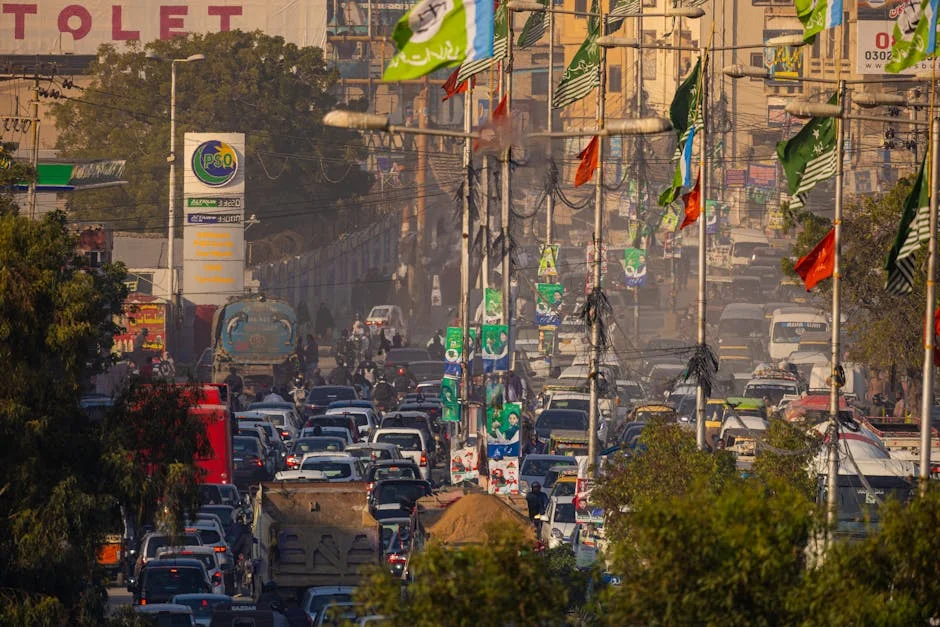
Residents in Lahore and Islamabad are closely watching these developments. The political rhetoric directly influences market confidence and daily commerce. Traders in the Liberty Market express anxiety over potential trade disruptions. They fear that prolonged stalemates will drive up the cost of essential goods.
The rejection signals a strategic shift in Islamabad’s approach. Pakistan aims to leverage its economic resilience to pressure New Delhi. This strategy relies on the belief that India needs stability more than Pakistan currently does. However, this gamble carries risks for the average Pakistani citizen.
Impact on Border Communities and Daily Life
The human cost of diplomatic friction is most visible in Punjab. Farmers on both sides of the Radcliffe Line face uncertainty. Water sharing agreements are often the first casualty of political cold wars. This directly affects crop yields and local incomes.
In Sialkot, the surgical instruments industry feels the pinch. Export delays disrupt supply chains that stretch to Europe and America. Small business owners report a noticeable slowdown in orders. The uncertainty makes long-term planning nearly impossible for these families.
Socially, the tension fuels a resurgence of nationalist sentiment. Schools and mosques become venues for political discourse. This environment can sometimes lead to social fragmentation within diverse communities. Parents worry about the psychological impact on their children.
RSS Stance and Regional Political Dynamics
General Secretary Dattatreya Hosabale remains a key voice in the RSS. His call for dialogue reflects an internal debate within the Indian political establishment. Some factions believe that engagement can stabilize the region. Others argue for a more assertive military posture.
Hosabale’s comments have sparked discussion across Indian social media. Supporters view his approach as pragmatic and necessary for peace. Critics argue that it shows weakness in the face of Pakistani aggression. This internal division complicates New Delhi’s unified messaging.
The RSS influence extends beyond party politics into civil society. Its networks in Gujarat and Maharashtra are mobilizing public opinion. This grassroots pressure can limit the government’s flexibility in negotiations. Politicians must balance diplomatic needs with voter sentiment.
Operation Sindoor and Military Context
Operation Sindoor has reshaped the military calculus on both sides. The action demonstrated India’s willingness to strike deep into Pakistani territory. This has forced the Pakistan Army to reassess its defensive strategies. The military now plays a larger role in foreign policy decisions.
For citizens in Karachi and Rawalpindi, the military’s prominence is palpable. Curfews and checkpoints are common sights in strategic areas. This militarization of daily life creates a sense of vigilance. People adjust their routines to accommodate the security apparatus.
The economic burden of this military readiness is significant. Defense spending often competes with social welfare programs. Hospitals and schools may face budget cuts to fund new equipment. This trade-off affects the quality of life for millions of ordinary citizens.
Economic Consequences for Ordinary Citizens
The rupee and the rupee are both under pressure from the geopolitical stalemate. Inflation rates in Pakistan have shown signs of creeping upward. This erodes the purchasing power of the middle class. Families are forced to adjust their spending habits to survive.
In India, the cost of imports from the region is also rising. Supply chain disruptions affect industries reliant on cross-border logistics. Manufacturers in Delhi and Mumbai report increased overheads. These costs are eventually passed on to the consumer.
Small and medium enterprises suffer the most from this instability. Unlike large corporations, they have fewer resources to hedge against risk. A sudden change in tariff or border closure can be devastating. This sector employs a vast portion of the regional workforce.
Unemployment rates are a growing concern for policymakers. Economic stagnation leads to job losses in key sectors. This creates a feedback loop of social unrest and political pressure. Leaders must find a balance between national pride and economic pragmatism.
Social Cohesion and Community Response
Communities in border towns are adapting to the new normal. Local leaders are organizing initiatives to maintain social harmony. These efforts aim to prevent political tensions from spilling over into ethnic or religious conflicts. Such cohesion is vital for regional stability.
Women’s groups in Lahore and Delhi are particularly active. They organize peace marches and inter-community dialogues. These grassroots movements provide a counter-narrative to the dominant political rhetoric. They emphasize the shared humanity of neighbors on both sides.
Youth engagement is another critical area of focus. Educational exchanges and cultural programs help bridge the gap. These initiatives foster mutual understanding and reduce prejudice. Investing in youth is seen as a long-term strategy for peace.
Religious institutions also play a mediating role. Imams and priests often preach messages of tolerance and patience. Their influence can calm frayed nerves during periods of heightened tension. This spiritual guidance provides comfort to anxious communities.
Looking Ahead: What to Watch Next
The next few weeks will be crucial for regional stability. Watch for any changes in tariff structures or border crossing protocols. These economic indicators often precede major diplomatic shifts. Investors and citizens alike are monitoring these signals closely.
Political statements from New Delhi and Islamabad will provide further clues. Any deviation from the current hardline rhetoric could signal a thaw. Conversely, new military maneuvers might indicate an escalation. The region remains on edge, waiting for the next move.
Citizens should prepare for potential fluctuations in local markets. Keeping an eye on inflation data and employment reports is advisable. These metrics will reveal the true impact of the diplomatic standoff. Proactive planning can help mitigate the effects of uncertainty.
The outcome of this standoff will define the region’s trajectory for years. It will test the resilience of both nations’ economies and societies. The world watches with bated breath as these two nuclear powers navigate their complex relationship. The stakes have never been higher for the people of South Asia.
See Also
- Mehrauli Building Collapse Triggers Urgent Rescue Operations — Several Feared Trapped
- John Dramani Mahama Recognises Slave Trade as Crime Against Humanity
This grassroots pressure can limit the government’s flexibility in negotiations. Operation Sindoor and Military Context Operation Sindoor has reshaped the military calculus on both sides.
What is the latest news about pakistan rejects india dialogue call tensions surge?
Why does this matter for politics-governance?
What are the key facts about pakistan rejects india dialogue call tensions surge?