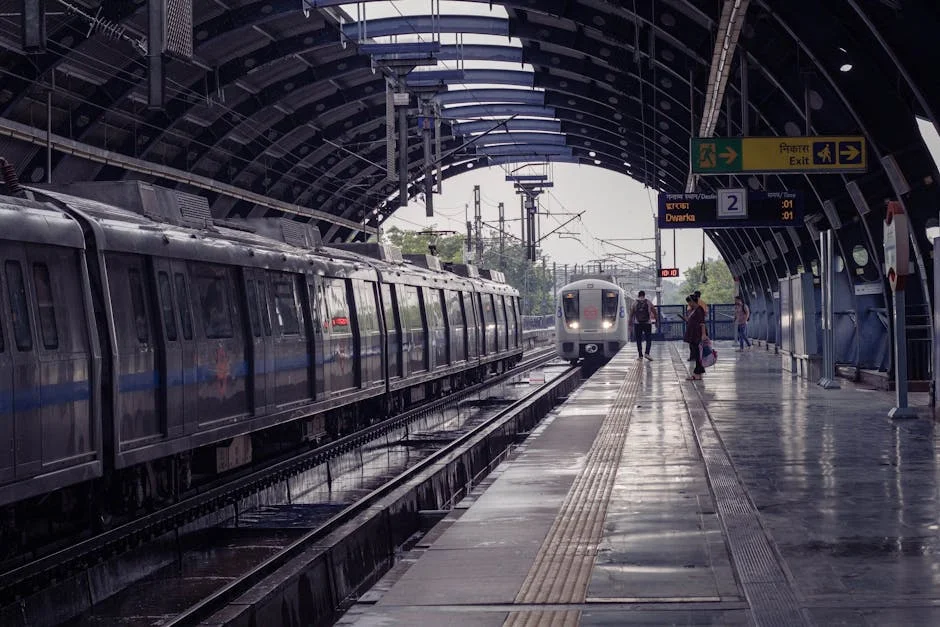
The Mumbai-Ahmedabad High-Speed Rail Project has stalled not because of the trains themselves, but because the cities they connect are struggling to absorb them. The National High Speed Rail Corporation Limited (NHSRCL) recently revealed that land acquisition and station integration remain the primary bottlenecks. This delay shifts the focus from pure speed to how effectively these hubs integrate into daily urban life.
For commuters in Gujarat and Maharashtra, the promise of a 100-minute journey between two economic powerhouses is slipping. The project, once a symbol of India’s infrastructural ambition, now highlights a critical gap in regional planning. Citizens face uncertainty as construction zones expand and local transit networks struggle to sync with the new high-speed terminals.
Land Acquisition Challenges in Key Corridors
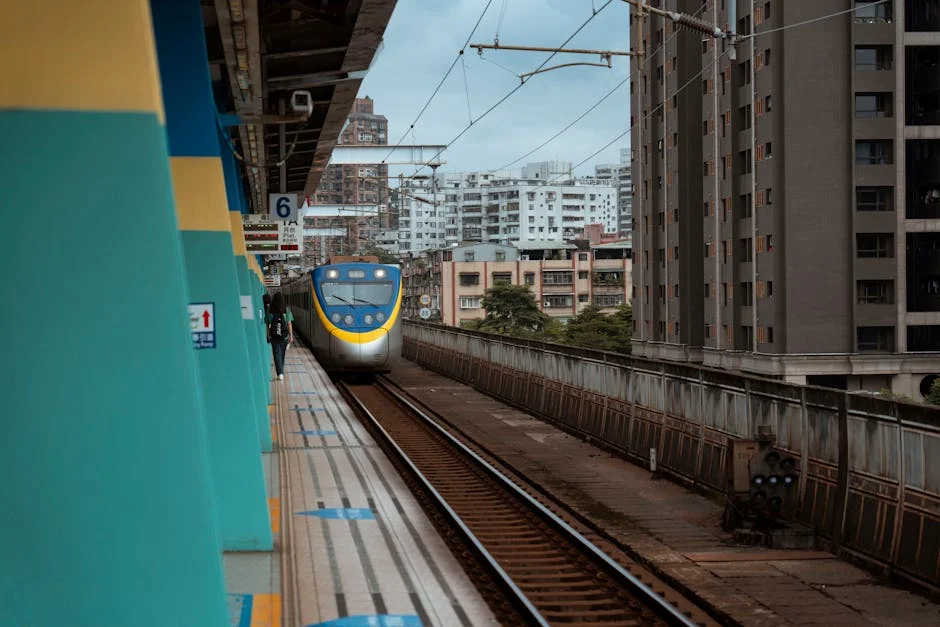
Land acquisition has emerged as the most contentious phase of the project. In Gujarat, over 30 percent of the total land required for the 508-kilometer corridor has been secured, but disputes persist in densely populated areas. The NHSRCL reports that compensation delays have frustrated farmers and small business owners alike.
These delays directly impact local economies. Small vendors in villages along the route face uncertainty as their plots are earmarked for the track. The government has attempted to streamline the process through the Land Acquisition, Announcement and Settlement of Awards Act, but implementation remains uneven. Residents in districts like Sabarkantha and Kheda have seen their daily routines disrupted by prolonged negotiations.
The human cost of this infrastructure push is visible in the rising cost of living in affected towns. Property prices near the proposed stations have surged, pricing out long-term residents. This gentrification trend threatens to displace communities that have lived along the corridor for decades.
Station Integration and Last-Mile Connectivity
Even if the tracks are laid, the success of the bullet train depends on how passengers reach the stations. The NHSRCL has identified last-mile connectivity as a critical failure point. Without seamless links to local buses, metro lines, and auto-rickshaw stands, the high-speed advantage diminishes significantly.
Urban Transit Syncing Issues
In Mumbai, the Dadar station is set to be a major hub, but its integration with the existing Western Railway line and the Metro network is complex. Engineers are working to synchronize schedules, but coordination between different transport authorities remains a challenge. For the average commuter, a missed connection could turn a 100-minute journey into a three-hour ordeal.
Ahmedabad’s Sabarmati station faces similar hurdles. The city’s expanding metro system must align with the bullet train’s arrival times. Local planners are pushing for dedicated feeder buses and parking facilities, but funding allocations have been slower than anticipated. This lack of preparedness risks leaving passengers stranded at the platform.
The failure to integrate these stations into the broader urban fabric could reduce ridership. Commuters are likely to stick to the reliable, albeit slower, Vande Bharat Express if the bullet train’s total travel time—including transit to and from the station—does not offer a clear advantage.
Economic Impact on Regional Communities
The Mumbai-Ahmedabad corridor is expected to boost regional economies by linking two major industrial hubs. However, the benefits are not evenly distributed. Small and medium enterprises (SMEs) in towns along the route are eager for increased footfall, but they worry about the initial disruption caused by construction.
Local businesses in cities like Vadodara and Rajkot are investing in upgrades to cater to new travelers. Hotels, restaurants, and retail shops are expanding, but the pace of investment varies. Some entrepreneurs are hesitant to commit capital until the project timeline becomes clearer.
The project also promises to create thousands of jobs, both during construction and in operations. However, local laborers report that many skilled positions are being filled by workers from outside the region. This dynamic raises questions about how much the local workforce will benefit from the infrastructure boom.
Community Response and Social Displacement
Community reaction to the project has been mixed. While many residents welcome the modernization, others feel sidelined by the rapid changes. In rural areas, farmers worry about the fragmentation of their land, which could affect agricultural productivity. The loss of contiguous farmland is a significant concern for families who depend on seasonal crops.
Urban communities are also feeling the pressure. In Mumbai, the expansion of the Dadar station area has led to the demolition of several historic buildings. Local heritage groups have raised alarms about the loss of architectural character, arguing that speed is being prioritized over cultural preservation.
Social displacement is a growing issue. As property values rise, lower-income families are being pushed to the peripheries. This shift could lead to longer commutes for daily wage earners, offsetting the convenience gained by those who can afford to live near the new stations.
Technological Integration and Passenger Experience
The bullet train project is not just about steel and concrete; it is also a test of technological integration. The NHSRCL plans to introduce digital ticketing, real-time tracking, and seamless payment systems. These features are designed to enhance the passenger experience, but their success depends on the reliability of local internet infrastructure.
In some parts of Gujarat and Maharashtra, digital connectivity remains inconsistent. Passengers traveling from smaller towns may struggle to access online booking platforms or navigate digital signage at stations. This digital divide could create a two-tier system where urban elites benefit more than rural travelers.
The introduction of Shinkansen technology from Japan also brings new operational standards. Staff training is underway, but the cultural shift required to maintain punctuality and service quality is significant. For Indian commuters accustomed to a certain level of flexibility, the rigid schedules of the bullet train may initially feel restrictive.
Future Timelines and What to Watch
The NHSRCL has set a tentative completion date of 2026 for the first phase of the project. However, experts warn that delays in land acquisition and station integration could push this timeline further. The next six months will be crucial in determining whether the project stays on track.
Communities should watch for updates on compensation payouts and the finalization of last-mile connectivity plans. These factors will directly impact the daily lives of residents and the economic viability of the corridor. The success of the bullet train will ultimately depend on how well it serves the people it connects, not just the speed at which it travels.
As construction continues, citizens are urged to engage with local planning committees and provide feedback on integration issues. The bullet train is more than a transit project; it is a catalyst for regional transformation. Its legacy will be defined by how effectively it integrates into the social and economic fabric of Mumbai and Ahmedabad.
See Also
- Gunfire Erupts Outside Khan Sir Coaching Centre in Patna — Educator Warns of Threat
- EMS Costs Surge — What This Means for Your Next Package