India has issued a sharp condemnation following the attack on an Indian-flagged merchant vessel in the waters near Oman. The incident has triggered immediate concerns about the stability of key maritime trade routes in the region. This event directly impacts the flow of goods and the economic stability of coastal communities in both nations.
Immediate Reaction from New Delhi
The Ministry of External Affairs in New Delhi released a statement describing the targeting of commercial shipping as "unacceptable" and "unprecedented" in recent years. The government emphasized that the safety of maritime corridors is crucial for global trade. This strong diplomatic response signals a shift in how India is monitoring security in the Arabian Sea.
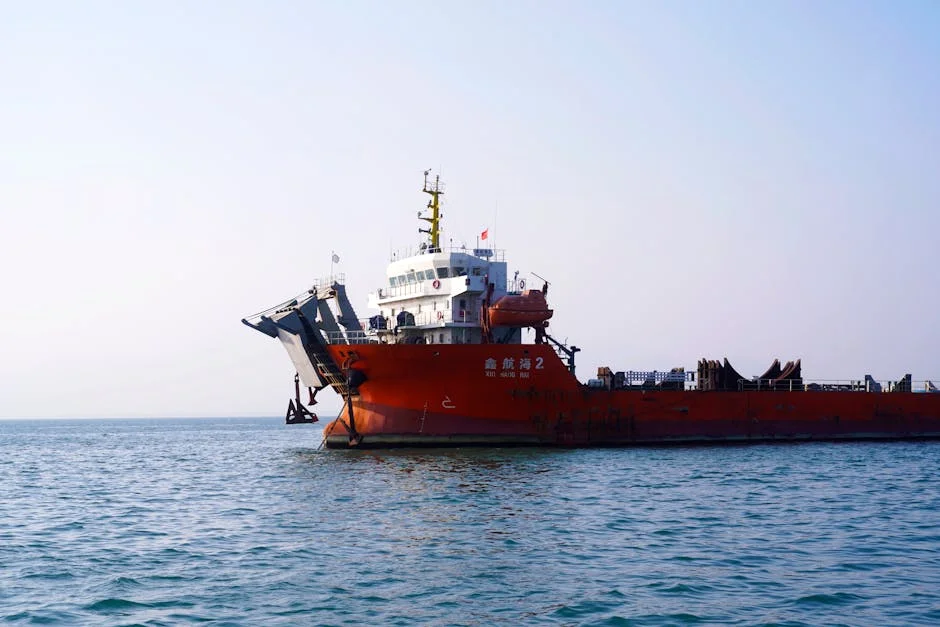
Officials highlighted that the attack occurred in international waters, yet its proximity to Oman raises complex jurisdictional questions. The Indian government has demanded a thorough investigation to identify the perpetrators. This move aims to pressure regional actors to enhance naval patrols and intelligence sharing.
The statement also noted that the vessel was carrying essential commodities, which adds urgency to the diplomatic efforts. India is leveraging this incident to strengthen its strategic partnership with Oman. This collaboration is vital for maintaining open sea lanes for energy imports and export goods.
Impact on Regional Shipping Costs
The attack has already begun to influence freight rates in the Red Sea and Arabian Sea corridors. Shipping companies are reassessing insurance premiums for vessels passing through the Gulf of Oman. These financial adjustments will likely be passed on to consumers in India and Oman.
Freight forwarders report a tentative 15% increase in insurance costs for routes passing near Muscat. This rise affects the price of imported fuel, electronics, and agricultural products. Indian importers are now factoring these higher costs into their pricing strategies for the coming quarter.
The uncertainty has led some logistics firms to consider rerouting ships through the longer Suez Canal path. This decision adds time and fuel consumption to the supply chain. Consequently, delivery timelines for goods arriving at Indian ports may extend by several days.
Economic Consequences for Local BusinessesSmall and medium enterprises in coastal Karnataka and Gujarat are feeling the early effects of these disruptions. These businesses rely on timely deliveries of raw materials to maintain production schedules. Delays mean higher inventory holding costs and potential cash flow issues for local manufacturers.
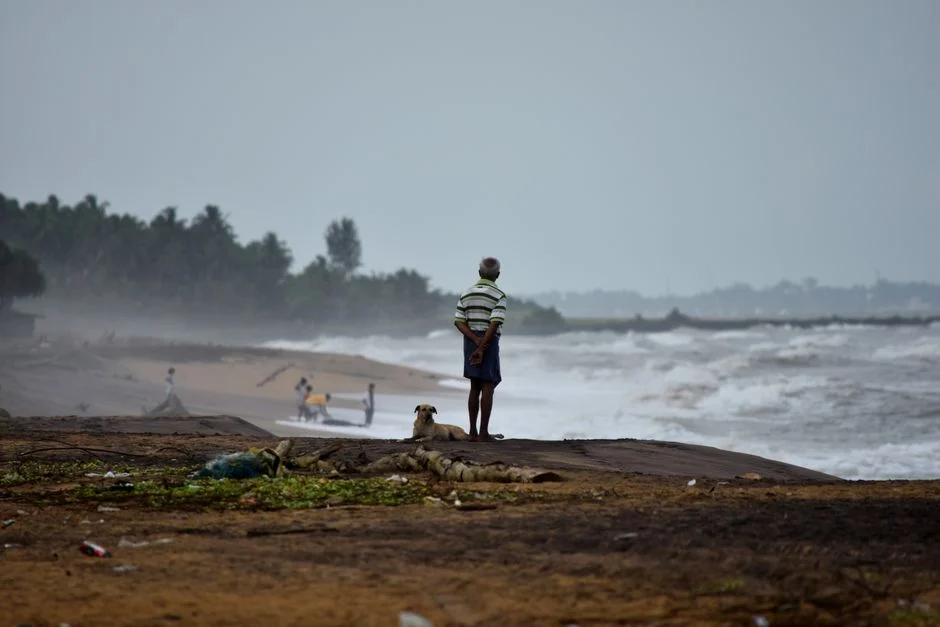
The fishing communities in Oman are also bracing for potential changes in maritime traffic patterns. Increased naval activity can restrict access to traditional fishing grounds. This restriction could reduce daily catches and affect the local seafood market prices in Muscat and Salalah.
Trade analysts warn that if the security situation does not stabilize, inflationary pressures could rise in both countries. Essential goods such as wheat and crude oil are particularly vulnerable to supply chain shocks. Consumers should expect gradual price adjustments in supermarkets and fuel stations.
Strategic Importance of the Oman Corridor
The waters near Oman serve as a critical chokepoint for global energy supplies. A significant portion of India's crude oil imports passes through the Strait of Hormuz and the Gulf of Oman. Any disruption in this area directly threatens India's energy security and economic growth.
Oman has strategically positioned itself as a neutral hub for trade and diplomacy. Its ports, such as Duqm and Salalah, are increasingly important for transshipment. The recent attack underscores the need for enhanced security measures at these key logistical nodes.
India and Oman have recently signed several agreements to boost bilateral trade. These deals include investments in port infrastructure and logistics parks. The stability of the maritime environment is a prerequisite for the success of these long-term economic projects.
Community Response and Local Sentiment
In coastal cities like Mumbai and Chennai, the news has sparked discussions among traders and dockworkers. There is a growing awareness of the vulnerabilities in the supply chain. Local unions are calling for better compensation mechanisms for delays caused by maritime insecurity.
In Muscat, the business community has expressed confidence in the joint security efforts between India and Oman. Chamber of Commerce representatives have urged for swift diplomatic resolutions. They believe that prolonged uncertainty could deter foreign direct investment in the region.
Public sentiment remains cautious but resilient. Citizens in both countries are monitoring price changes in essential goods. Community leaders are using social media to update locals on the status of shipments and potential price hikes.
Historical Context of Maritime TensionsThis incident is not the first to affect shipping in the region. Previous tensions in the Red Sea and the Persian Gulf have caused similar disruptions. However, the direct targeting of an Indian-flagged vessel marks a new phase in these maritime challenges.
Historically, the Arabian Sea has been a relatively stable route compared to the Red Sea. The recent attack challenges this perception of safety. It suggests that pirates or geopolitical actors are expanding their operational zones.
India has a long history of naval deployments in the region to protect its interests. The Indian Navy has maintained a strong presence in the Arabian Sea for decades. This incident may lead to a reinforcement of naval assets in the immediate vicinity of Oman.
Future Steps and What to WatchThe next 48 hours will be critical for diplomatic developments. India is expected to convene an emergency meeting with key stakeholders in the Gulf Cooperation Council. This meeting will focus on establishing a unified security framework for the Arabian Sea.
Readers should monitor announcements from the Indian Ministry of External Affairs. Any update on the insurance rates and freight costs will provide insight into the economic impact. The response from Oman's Royal Navy will also indicate the level of regional cooperation.
The stability of the supply chain will depend on the speed of the investigation. If the perpetrators are identified quickly, confidence in the route may return. However, prolonged uncertainty could lead to more permanent changes in global shipping patterns.
See Also
- Singapore and Japan Strengthen Ties to Boost Tech and Trade: PM Wong's Vision
- Rui Almeida exposes grim realities in Beirut: the lingering scent of gunpowder
What is the latest news about india slams attack on flagged vessel near oman shipping costs rise?
Why does this matter for business-economy?
What are the key facts about india slams attack on flagged vessel near oman shipping costs rise?