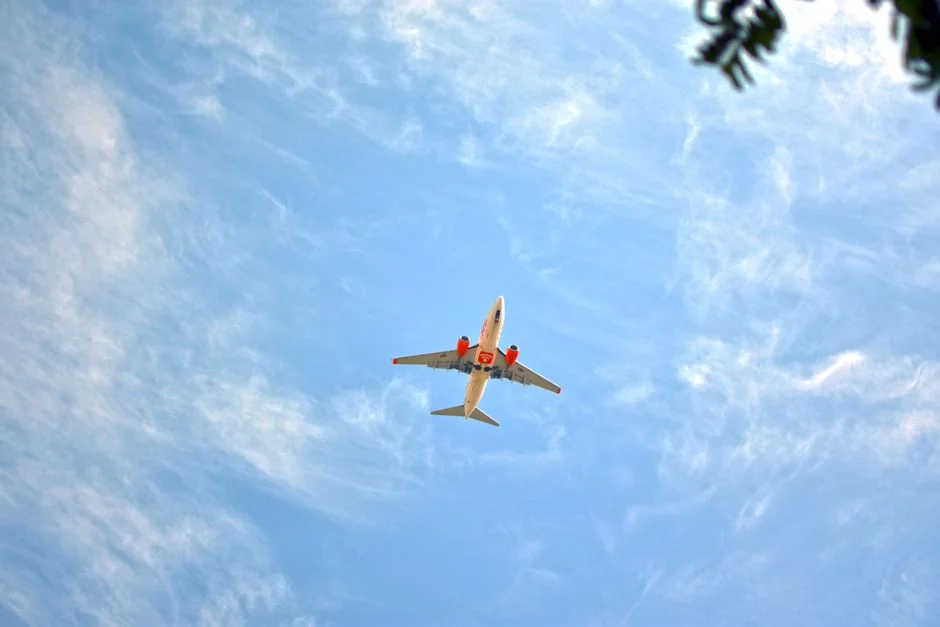
Heavy rainfall has brought travel to a standstill at the Indira Gandhi International Airport in New Delhi, causing significant disruption for thousands of passengers. The sudden downpour has triggered a cascade of flight diversions and delays, turning the capital’s primary aviation hub into a scene of logistical chaos. Commuters are facing extended wait times and uncertain itineraries as airlines struggle to adjust to the rapidly changing weather conditions.
Delhi Airport Gridlock Intensifies
The Indira Gandhi International Airport, often referred to as IGIA, is handling a surge in turbulence due to the intense weather patterns. Runway visibility has dropped sharply, forcing air traffic controllers to implement strict spacing between arriving and departing aircraft. This bottleneck has led to a ripple effect across the entire Indian aviation network, with flights bound for and from Delhi experiencing varying degrees of delay.

Passengers at Terminals 1, 2, and 3 report long queues at security checkpoints and boarding gates. The terminal buildings are filled with anxious travelers checking their smartphones for the latest updates. Many families have found themselves stranded with young children and elderly relatives, seeking comfort in an increasingly crowded environment. The atmosphere is tense as the wait times stretch into hours.
Airline staff are working overtime to manage the influx of delayed passengers. Ground handling teams are rushing to de-ice aircraft and clear rainwater from the tarmac. Despite these efforts, the sheer volume of flights makes it difficult to restore normalcy quickly. The situation highlights the vulnerability of India’s aviation infrastructure to extreme weather events.
Flight Diversions and Route Changes
Several flights that were scheduled to land in Delhi have been diverted to nearby airports. Amritsar and Jaipur have become temporary shelters for aircraft unable to make the final approach to Delhi. This strategic diversion helps prevent a complete gridlock at the capital but adds travel time for passengers who must then take a connecting flight or drive to their final destination.
The decision to divert is often made minutes before landing, leaving little time for passengers to prepare. Announcements on board are frequent but often confusing, adding to the frustration. Some passengers have opted to sleep on the tarmac or in the terminal lounges, hoping for an early morning departure. The unpredictability of the rain makes it difficult for airlines to provide accurate estimates.
Airlines are also adjusting their departure schedules to accommodate the backlog. Flights leaving Delhi are taking off later than usual, which affects connections for passengers traveling to other major cities like Mumbai, Bangalore, and Kolkata. This domino effect means that a delay in Delhi can disrupt travel plans across the entire country.
Impact on Regional Connectivity
The disruption is not limited to international travelers. Domestic routes are heavily impacted, affecting business travelers and tourists alike. Small towns that rely on daily flights to Delhi are seeing their connections delayed, which affects local economies. Shops and hotels near the airport are experiencing a surge in last-minute bookings and sales.
Regional airports are stepping up to handle the overflow. Airports in Chandigarh and Lucknow are also reporting minor delays as they absorb some of the pressure from Delhi. This shows the interconnectedness of India’s aviation network. A problem in one hub can quickly spread to neighboring regions.
Local Economy Takes a Hit
The chaos at the airport has immediate economic implications for the local community. Hotels near the airport are seeing fully booked rooms as stranded passengers seek overnight stays. Restaurants and cafes are experiencing a rush of hungry travelers, boosting sales for local businesses. This sudden influx provides a temporary boost to the hospitality sector.
However, the disruption also affects logistics and supply chains. Cargo flights are delayed, which means that perishable goods like flowers and fruits may not reach markets on time. This can lead to higher prices for consumers in Delhi and surrounding areas. Small businesses that rely on quick air freight are feeling the pinch.
Taxi and ride-sharing services are seeing increased demand. Drivers are working longer hours to ferry passengers to and from the airport. The surge in traffic on the Delhi-Meerut Expressway and the Yamuna Expressway is causing congestion for local commuters as well. This adds to the daily frustration of residents who are already dealing with the city’s typical traffic woes.
Community Response and Social Impact
The local community has shown resilience in the face of the disruption. Volunteers from various NGOs have set up relief camps at the airport to provide water and snacks to stranded passengers. Social media has become a vital tool for travelers to share updates and seek help. Hashtags related to the Delhi rain are trending, creating a sense of shared experience among commuters.
Local residents are also affected by the noise and traffic generated by the airport chaos. Neighborhoods near the airport are experiencing increased noise pollution as planes circle the runway waiting to land. This has led to complaints from residents who are already dealing with the city’s air quality issues. The rain provides some relief from dust but adds to the humidity and discomfort.
Social impact is evident in the way people are helping each other. Strangers are sharing umbrellas and charging ports. Families are swapping stories to pass the time. This sense of community spirit is a bright spot in an otherwise frustrating situation. It highlights the adaptability of Delhiites in the face of adversity.
Weather Patterns and Future Outlook
The weather today has been characterized by sudden and intense rainfall. Meteorologists attribute this to the shifting monsoon patterns affecting the North Indian plains. The rain is expected to continue for the next 48 hours, which means the disruption is likely to persist. Airlines are advising passengers to check their flight status frequently.
The India Meteorological Department (IMD) has issued a yellow alert for Delhi and NCR. This indicates that the weather conditions are likely to remain unsettled. The IMD’s forecast suggests that the rain will gradually ease by the weekend, but sporadic showers are expected. This uncertainty makes it difficult for airlines to finalize their schedules.
The weather today developments explained by local meteorologists point to a complex interaction between the monsoon trough and local topography. This scientific explanation helps travelers understand why the rain is so intense. It also provides context for the prolonged nature of the disruption. Understanding the weather patterns can help passengers make better travel decisions.
What Travelers Should Do Next
Passengers are advised to stay informed and flexible. Checking the airline’s official website or app is the best way to get real-time updates. Contacting customer service can also provide clarity on rebooking options. Travelers should also consider alternative modes of transport, such as trains or buses, if their schedule allows.
Packing essentials like water, snacks, and a power bank is recommended for those expecting a long wait. Comfortable clothing and footwear can also make the journey more bearable. Travelers should also keep their important documents and medications easily accessible. Being prepared can reduce stress and make the experience more manageable.
The situation at Delhi Airport is a reminder of the importance of planning for contingencies. Travelers should always have a backup plan and allow for extra time when traveling during the monsoon season. The weather today latest news should be monitored closely to stay ahead of any changes. This proactive approach can help mitigate the impact of disruptions.
The coming days will be critical in determining how well the aviation sector recovers from this initial shock. Airlines will need to coordinate closely with air traffic control and airport authorities to minimize further delays. Passengers should watch for announcements regarding compensation and rebooking policies. The situation is fluid, and staying informed is the best strategy for navigating the chaos.
See Also
- APC Clears Yusuf for 2027 Kano Race — What Changes for Voters
- ANC Loss Triggers South Africa’s Economic Shock