Indian Railways is set to redefine overnight travel with the introduction of the Vande Bharat sleeper trains, promising speeds of up to 160 kmph and amenities that challenge the long-standing dominance of the Rajdhani Express. This development marks a strategic shift for the nation's largest rail network, aiming to reduce travel time between major metropolitan hubs while enhancing passenger comfort. The initiative directly impacts millions of daily commuters and weekend travelers who rely on rail connectivity across India.
Challenging the Rajdhani Monopoly
The Rajdhani Express has long been the gold standard for overnight travel in India, connecting New Delhi to major cities like Mumbai, Chennai, and Kolkata. However, the new Vande Bharat sleeper models are designed to offer a superior experience with modern amenities that many travelers have waited years to see. These trains feature air-conditioned cabins, automatic door controls, and a more streamlined interior design compared to the traditional Loco-Hauled Rajdhani sets.
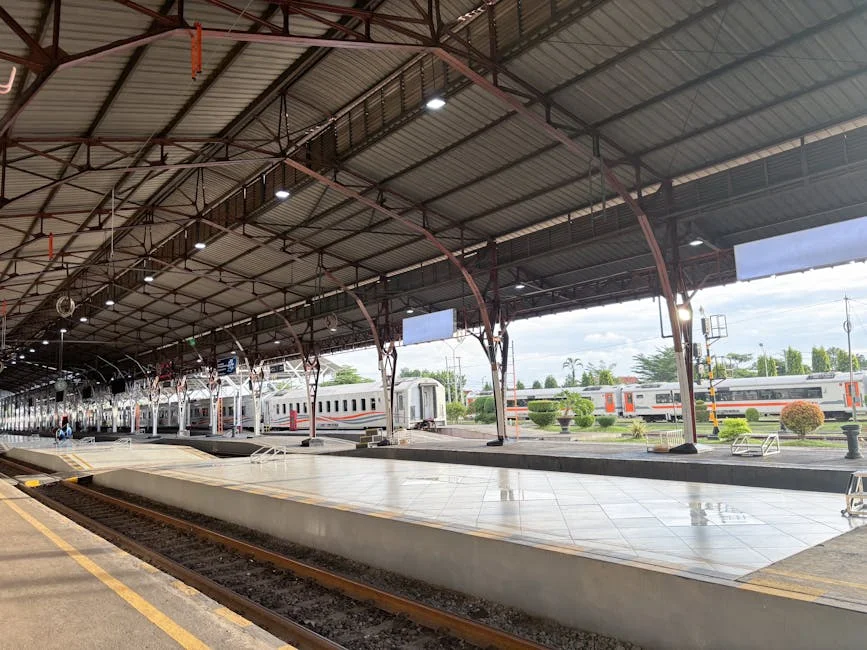
For passengers, this means a tangible improvement in comfort. The introduction of these trains is not merely about speed; it is about the quality of the journey. Travelers can expect better lighting, improved sanitation, and a more consistent ride quality. This shift forces the Rajdhani to compete on features rather than just brand recognition, potentially lowering prices or forcing service upgrades across the board.
Speed and Efficiency Gains
The core advantage of the Vande Bharat sleeper is its ability to maintain an average speed of 110 to 120 kmph, with peak speeds reaching 160 kmph. This is a significant leap from the traditional overnight trains that often struggle to average 70 kmph due to frequent stops and older engine technology. Reduced travel time translates directly into economic benefits for business travelers and leisure tourists alike.
Consider the Delhi-Mumbai route, one of the busiest corridors in the country. A reduction of even two to three hours in travel time can change the dynamics of the journey. Commuters can leave work later in Delhi and still reach Mumbai before morning meetings. This efficiency makes rail travel a more viable competitor to domestic flights for distances under 1,000 kilometers.
Impact on Daily Commuters
For the average citizen, time is money. The faster turnaround means more flexibility for families and working professionals. Students traveling between university towns and parents visiting children in different cities will find the schedule more accommodating. The predictability of the Vande Bharat's timing also reduces the anxiety often associated with Indian rail travel, where delays of three to four hours are not uncommon.
This reliability is crucial for the local economies along the rail corridors. Towns that serve as intermediate stops will see increased footfall as travelers spend more time in transit hubs. Small businesses, from food stalls to taxi services, benefit from the influx of passengers who are more likely to disembark and explore if their arrival is predictable.
Cost and Affordability for the Masses
Affordability remains a key concern for Indian travelers. While the Vande Bharat is often perceived as a premium product, the sleeper variant aims to strike a balance between luxury and value. The introduction of multiple berth options, including AC 3-tier and AC 2-tier, ensures that the train caters to different income groups. This strategy is vital for maintaining high occupancy rates.
The pricing structure will be closely watched by consumers. If the Vande Bharat sleeper is priced significantly higher than the Rajdhani, it may remain a niche product. However, if Indian Railways can leverage the economies of scale and the efficiency of the engine car design, they may offer competitive fares. This could make overnight travel accessible to the middle class, who form the backbone of the Indian economy.
Local communities near major stations will also feel the economic ripple effects. As more people choose rail over road or air for medium-distance travel, the demand for local accommodation and services near stations will surge. This creates jobs and stimulates local commerce, benefiting residents in cities like Jaipur, Agra, and Nagpur, which are key stops on major Vande Bharat routes.
Technological Advancements and Comfort
The Vande Bharat trains are not just about speed; they represent a technological leap for Indian Railways. The trains are equipped with modern features such as GPS-based annunciation systems, LED displays, and automatic train protection systems. These technologies enhance safety and provide passengers with real-time information, reducing uncertainty during the journey.
Comfort is another area where the Vande Bharat excels. The cabins are designed to be more spacious, with better insulation to reduce noise and heat. The inclusion of features like USB charging points, reading lights, and ample luggage space addresses common pain points for travelers. These small details add up to a significantly better experience, encouraging people to choose rail travel over other modes of transport.
For the elderly and passengers with reduced mobility, the low-floor design and wider corridors of the Vande Bharat make boarding and moving around the train easier. This inclusivity is a significant step forward for a railway system that serves a diverse population. It ensures that rail travel remains accessible to all, not just the young and able-bodied.
Environmental Benefits and Sustainability
As India pushes towards sustainability, the Vande Bharat sleeper trains offer an eco-friendly alternative to domestic flights and private cars. The trains are designed to be more fuel-efficient, with a streamlined body that reduces air resistance. This efficiency translates into lower carbon emissions per passenger kilometer, contributing to India's climate goals.
The shift from diesel to electric traction for many Vande Bharat routes further enhances their environmental credentials. As the Indian Railways expands its electric network, the carbon footprint of rail travel will continue to decrease. This is a compelling argument for environmentally conscious travelers who want to reduce their impact while enjoying a comfortable journey.
Local communities along the rail lines will also benefit from reduced noise and air pollution compared to the traditional diesel locomotives. This improvement in local environmental quality can have long-term health benefits for residents living near railway corridors. It is a win-win situation, combining economic efficiency with environmental stewardship.
Future Expansion and Route Planning
The success of the initial Vande Bharat sleeper deployments will dictate the pace of future expansion. Indian Railways is expected to roll out these trains on more routes, connecting smaller cities and regional hubs. This expansion will help bridge the connectivity gap between metropolitan areas and tier-2 cities, promoting regional development.
Route planning will be crucial in maximizing the impact of these trains. Prioritizing high-demand corridors with significant passenger traffic will ensure high occupancy and revenue generation. The railways are likely to analyze data from the initial runs to identify the most profitable and efficient routes for the Vande Bharat sleeper fleet.
Competition with other modes of transport will also influence route selection. On routes where domestic flights are heavily subsidized or where high-speed roads are well-developed, the Vande Bharat will need to offer compelling advantages in terms of price, convenience, and comfort. This strategic approach will ensure that the trains remain competitive and attractive to a wide range of passengers.
What to Watch Next
The next few months will be critical in determining the long-term success of the Vande Bharat sleeper trains. Passengers and analysts will be watching the punctuality records, passenger satisfaction scores, and financial performance of these services. Indian Railways must maintain the quality of service to build trust and encourage repeat ridership.
Future developments will likely include the introduction of more variants of the Vande Bharat, including non-AC options to cater to budget travelers. The railways are also expected to integrate these trains more deeply into the broader Indian Railways network, ensuring seamless connectivity with other services. Keeping an eye on these expansions will provide insights into the future of rail travel in India.
See Also
- ISRO Accelerates Gaganyaan — What It Means for Indian Citizens
- RBI Deputy Governor Confirms India's Economy Holds Strong Despite Global Turmoil
These small details add up to a significantly better experience, encouraging people to choose rail travel over other modes of transport. This inclusivity is a significant step forward for a railway system that serves a diverse population.