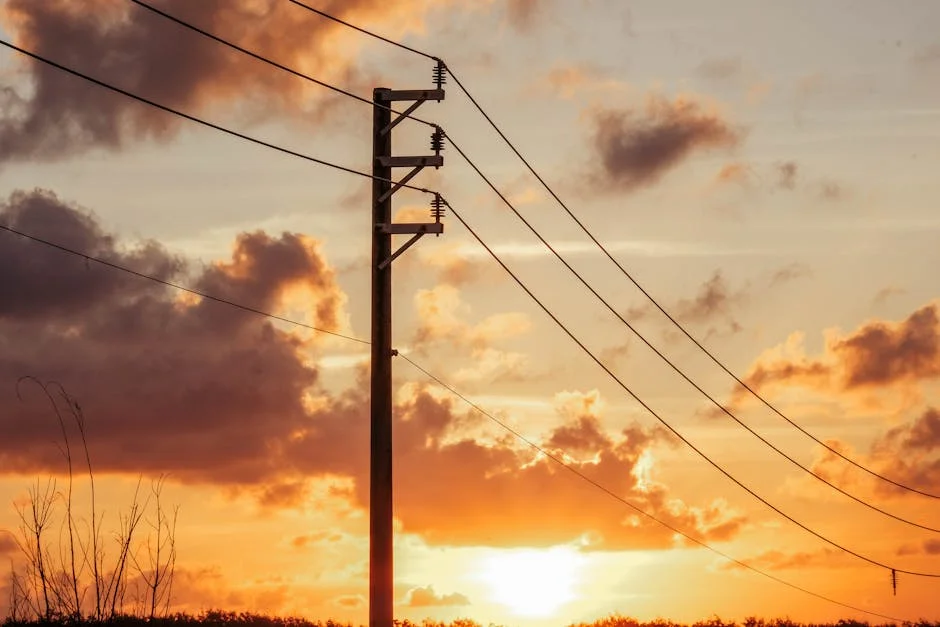
Malawi has connected over 1.2 million households to the national grid in a major push to modernize the country’s energy infrastructure. This expansion, heavily supported by the World Bank, is transforming daily life for citizens in Lilongwe and rural districts alike. The surge in power availability is directly creating new business opportunities and stabilizing local economies across the nation.
Powering Rural Communities
The reach of electricity has moved beyond the capital city of Lilongwe and the commercial hub of Blantyre. Rural areas, which historically relied on kerosene lamps and diesel generators, are now seeing consistent power supply. This shift is not just about light; it is about reliability. Farmers can now operate irrigation pumps during dry spells, reducing crop failure rates significantly. Small-scale processors can grind maize and process cassava with less downtime, leading to fresher produce in local markets.
Community leaders report that the social fabric is strengthening as a result. Evening hours, previously dominated by the flickering glow of kerosene, now allow children to study longer. This educational boost is expected to yield long-term economic benefits. Parents spend less on fuel, freeing up disposable income for other household necessities. The reduction in indoor air pollution from kerosene is also improving respiratory health in densely populated villages.
Economic Shifts in Local Markets
The availability of stable electricity is triggering a wave of entrepreneurship. In the city of Zomba, small business owners are investing in refrigerators and freezers to store perishable goods. This simple change allows vendors to sell fresh fish and meat later in the day, reducing waste and increasing profit margins. The ripple effect is visible in the local supply chains, where transporters can rely on cold storage facilities at key transit points.
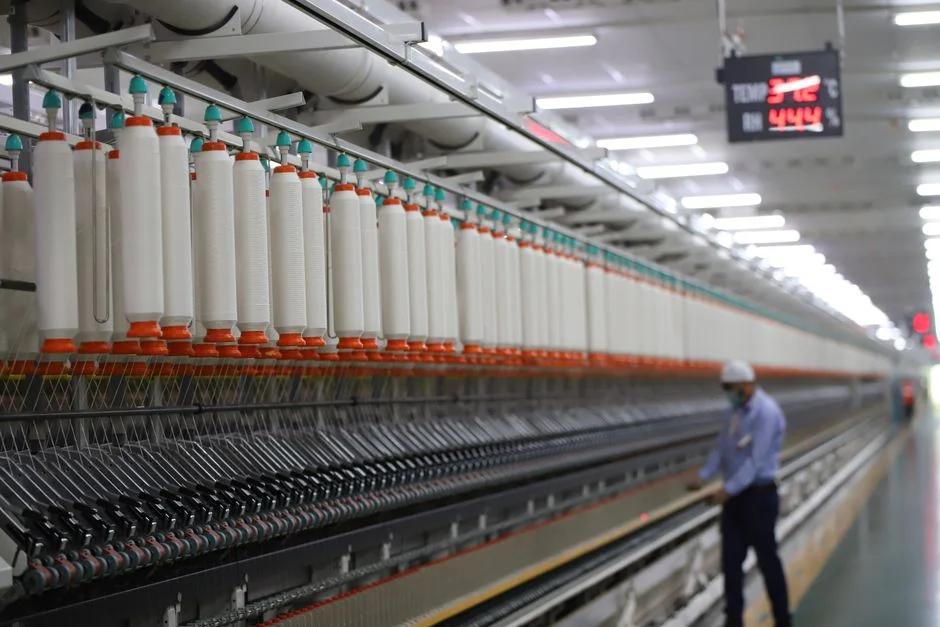
Manufacturing sectors are also feeling the impact. Garment factories in Lilongwe report increased productivity due to the reduced frequency of power outages. Workers can operate sewing machines and lighting systems with greater consistency. This efficiency helps Malawian textiles remain competitive in the regional East African Community market. The World Bank notes that every additional hour of power can increase industrial output by measurable percentages.
Impact on Smallholder Farmers
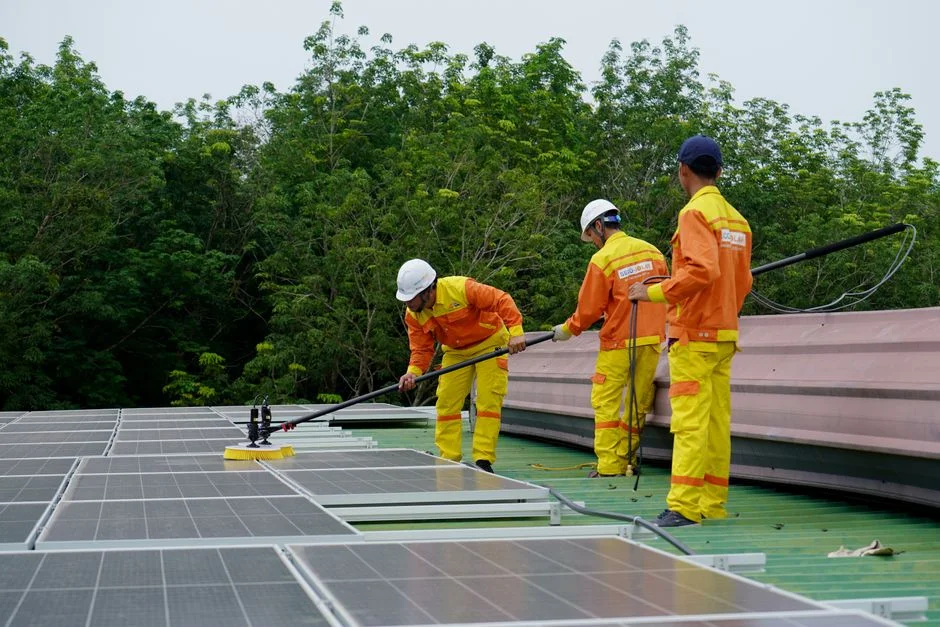
Agriculture remains the backbone of Malawi’s economy, employing a vast majority of the workforce. The integration of solar-powered irrigation systems in regions like Dedza and Ntcheu is changing farming practices. Farmers are no longer entirely dependent on the whims of the rainy season. This control over water resources allows for crop diversification, enabling farmers to plant high-value vegetables alongside traditional maize crops. Such diversification reduces the economic risk associated with monoculture farming.
Market days have become more vibrant as a result. With better storage and processing capabilities, farmers can bring higher-quality goods to town centers. Prices for consumers stabilize because supply chains are less disrupted by spoilage. This dynamic creates a positive feedback loop where increased sales incentivize further investment in farm machinery and infrastructure. The economic resilience of rural households is visibly strengthening through these incremental changes.
World Bank’s Strategic Investment
The World Bank has committed significant financial resources to support this energy transition. Their funding targets both grid extension and off-grid solar solutions for remote areas. This dual approach ensures that even the most isolated communities benefit from the energy boom. The investment is structured to be sustainable, encouraging local maintenance and operational efficiency. By focusing on renewable energy sources, Malawi is also positioning itself to meet future climate change commitments.
Financial experts highlight that the return on investment for these energy projects is high. The increased tax revenue from growing businesses helps fund further infrastructure development. This creates a virtuous cycle where economic growth fuels public spending on essential services. The World Bank’s involvement provides the necessary capital and technical expertise to accelerate progress. Their data shows that energy access correlates strongly with poverty reduction in Sub-Saharan Africa.
Social Benefits Beyond Economics
The social implications of expanded electricity access are profound. Healthcare clinics in rural areas can now store vaccines at optimal temperatures. This reliability improves immunization rates and reduces child mortality in districts like Nkhata Bay. Maternal health services benefit from better lighting and the ability to power medical equipment during night-time deliveries. These improvements contribute to a healthier, more productive population.
Women and young girls experience a disproportionate benefit from these changes. With electric lighting, domestic chores that previously consumed evening hours are completed faster. This time savings allows women to engage in income-generating activities or pursue education. Girls are more likely to attend night classes, improving their literacy and numeracy skills. The empowerment of women through energy access is a critical driver of broader social progress.
Challenges and Infrastructure Gaps
Despite the progress, challenges remain in maintaining the expanding grid. Aging infrastructure in some urban centers requires urgent upgrades to prevent frequent outages. The government must balance the cost of maintenance with the need to extend lines to new areas. Funding gaps can slow down the pace of expansion, particularly in hilly terrains where laying cables is more expensive. Coordination between utility companies and local authorities is essential to streamline these efforts.
Affordability is another concern for low-income households. While connection costs have decreased, monthly tariffs can still be a burden for those with irregular incomes. Subsidies and flexible payment plans are being introduced to address this issue. However, ensuring that these financial mechanisms are well-targeted requires robust data collection and administrative capacity. Without careful management, some of the poorest households might remain on the fringes of the energy revolution.
Future Outlook for Malawi’s Energy Sector
The trajectory of Malawi’s energy sector points toward continued growth. Plans are underway to integrate more solar and hydroelectric power into the national mix. This diversification will reduce dependence on imported fuel and stabilize prices for consumers. The government aims to achieve universal access within the next decade, a goal that requires sustained political will and financial commitment. International partners are likely to increase their support as Malawi demonstrates effective implementation.
Citizens should watch for announcements regarding new tariff structures and subsidy schemes in the coming months. The Ministry of Energy will likely release detailed reports on the progress of rural electrification projects. Investors may find opportunities in the emerging sectors of solar panel installation and battery storage. The next phase of development will focus on quality of supply, ensuring that power is not just present, but reliable and affordable for all. This ongoing evolution will define Malawi’s economic landscape for years to come.
See Also
- Cassiano Klein targets Sporting elimination — a step towards Benfica's dream victory
- Rumours of Fuel Crisis Trigger Panic in Lakhimpur District — What It Means for Residents
Financial experts highlight that the return on investment for these energy projects is high. The World Bank’s involvement provides the necessary capital and technical expertise to accelerate progress.
What is the latest news about malawis power surge sparks new business boom?
Why does this matter for business-economy?
What are the key facts about malawis power surge sparks new business boom?