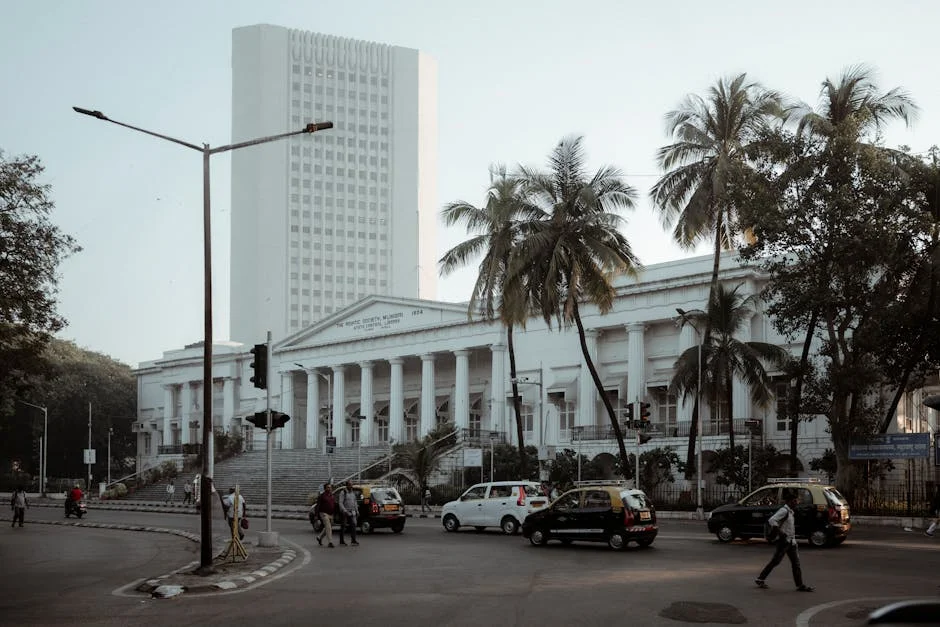
Uday Kotak, the managing director of Kotak Mahindra Bank, has issued a stark warning regarding the potential for a significant increase in oil prices due to ongoing tensions between the United States and Iran. Speaking at the Annual Summit in Mumbai, Kotak emphasized that citizens should prepare for economic repercussions as the conflict escalates.
Rising Oil Prices Pose Threat to Indian Economy
As geopolitical tensions rise, experts predict that oil prices could surge dramatically. Currently, Brent crude prices hover around $86 per barrel, but Kotak foresees a possible spike that could push prices even higher, impacting the daily lives of millions in India. India relies heavily on oil imports, sourcing about 85% of its oil from foreign markets; therefore, fluctuations directly affect transportation costs, food prices, and overall inflation.

During his remarks, Kotak stated, "It's coming big," highlighting the urgency for proactive measures to mitigate the economic fallout of these developments. The implications are clear: families may soon face increased expenses, and businesses could struggle with rising operational costs.
Impact on Daily Life and Local Communities
The potential for rising oil prices translates to significant changes in the daily lives of Indian citizens. With transportation costs likely to soar, the price of essential goods such as groceries and household items may also rise. This could particularly impact low-income families, who may already be feeling the pinch from inflation and stagnant wages.
Local businesses that depend on transportation for supply chains will also feel the strain. Small and medium enterprises might face reduced profit margins, leading to tough decisions about staffing and pricing. In a country where small businesses form the backbone of the economy, the consequences could be far-reaching.
Government Response and Economic Measures
In light of these warnings, the Indian government may need to reconsider its energy policies and subsidies. The Ministry of Petroleum and Natural Gas could implement measures to cushion consumers from the brunt of rising prices. However, historical precedence shows that such decisions are often fraught with challenges, as they could strain national finances further.
Analysts suggest that the government should explore increasing domestic production and investing in renewable energy sources to reduce reliance on imports. Such strategies could help stabilise prices over the long term and provide more security for consumers.
Community Awareness and Preparedness
As tensions involving Iran escalate, community organisations are urging citizens to stay informed and prepared for the potential economic impact. Local workshops and seminars are being organised to educate the public about budgeting and financial planning in anticipation of rising costs.
Moreover, social media platforms are buzzing with discussions about personal finance strategies as residents seek ways to mitigate the expected financial strain. Initiatives like community food banks may see increased demand if economic conditions worsen.
What Lies Ahead: Monitoring the Situation
Looking forward, citizens and businesses alike should keep a close eye on developments in Iran and their potential implications for oil prices. The situation could evolve quickly, and with the Annual Summit fostering discussions on economic stability, stakeholders may begin to take steps to address the looming crisis.
Upcoming weeks are critical as the international community watches how the US-Iran conflict unfolds. Indian citizens should prepare for potential changes in their daily expenses, as the ripple effects of global tensions can impact local economies in unforeseen ways.
See Also
- Delhi Police Demands Larger SC Bench Over UAPA Bail
- Plateau State Government Delivers Relief to Attack Victims — Tensions Rise in Jos North