António Guterres has delivered a stark warning to the global community, declaring that the African continent is bearing the disproportionate burden of the climate crisis. Speaking from the heart of the continent in Nairobi, the UN Secretary-General emphasized that without immediate and substantial financial intervention, the socio-economic fabric of African nations faces imminent unraveling.
The Disproportionate Burden on African Communities
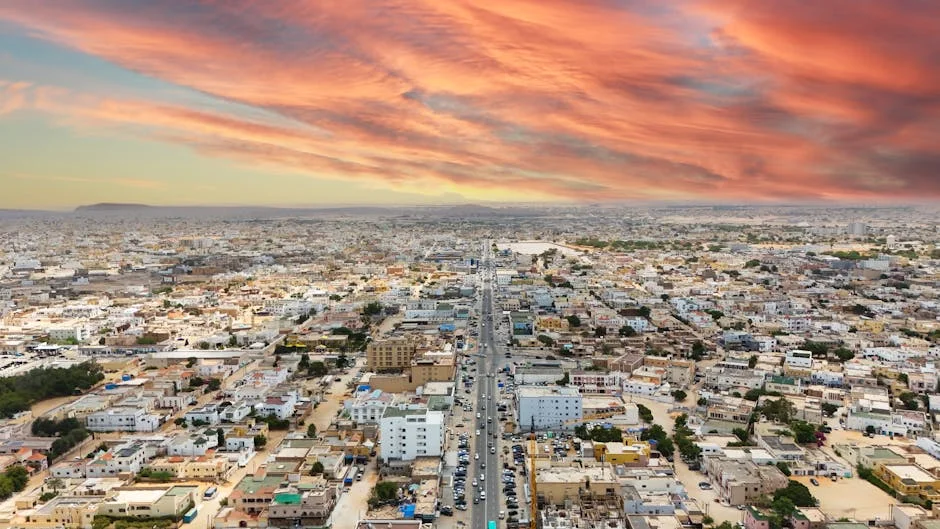
The reality on the ground in cities like Nairobi and Lagos is far removed from the abstract data points often cited in Geneva or New York. For the average citizen, climate change is not a future threat but a present-day emergency. Rising temperatures have turned daily commutes into ordeals, while erratic rainfall patterns have disrupted agricultural cycles that millions rely on for their daily bread.
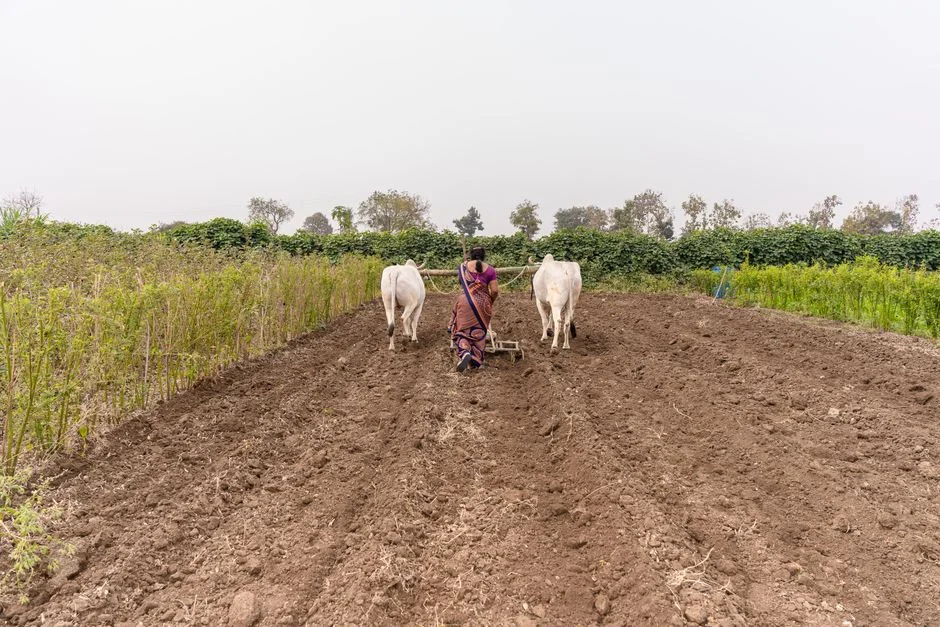
Guterres highlighted that despite contributing less than 4% of global carbon emissions, Africa accounts for a staggering share of climate-related deaths. This imbalance creates a profound sense of injustice among local populations. Farmers in the Sahel region are watching their ancestral lands turn to dust, forcing entire villages to migrate to urban centers that are already struggling with infrastructure deficits.
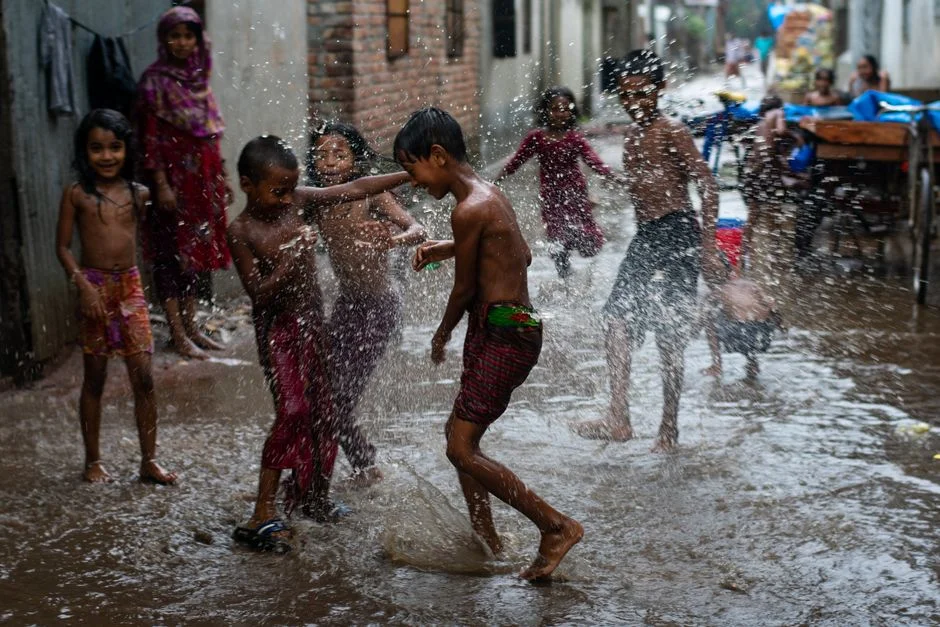
The human cost is visible in the swelling slums of major metropolitan areas. As rural livelihoods collapse under the weight of droughts and floods, cities face unprecedented pressure on housing, water, and sanitation services. This migration pattern threatens to exacerbate social tensions and strain local governance structures that are often underfunded and overstretched.
Financial Gaps and Economic Consequences
The core of Guterres’ argument rests on the inadequacy of current climate financing mechanisms. He pointed out that the much-promised $100 billion annual pledge from developed nations often falls short or arrives too late to make a tangible difference. For local economies, this delay translates directly into lost harvests, stalled infrastructure projects, and increased public debt.
Local Economy Under Pressure
In Nairobi, small business owners are already feeling the pinch. The cost of imports has risen due to global supply chain disruptions linked to climate events, while local production suffers from inconsistent power supplies and water scarcity. This dual pressure squeezes profit margins, leading to job losses and reduced purchasing power for the average household.
Infrastructure development, a key driver of economic growth in Africa, is being held back by the uncertainty of climate funding. Roads, bridges, and energy grids are vulnerable to extreme weather events, yet the funds needed for climate-resilient construction remain elusive. This lack of investment means that every storm or heatwave causes more damage than it would have a decade ago, creating a vicious cycle of repair and regression.
The financial sector is also adapting, but slowly. Banks and insurance companies are beginning to factor climate risk into their lending and premium structures. However, for the unbanked majority in rural areas, this means higher costs for basic services and greater vulnerability to shocks. Without targeted financial instruments, the gap between the rich and the poor is likely to widen further.
Community Response and Grassroots Resilience
Despite the challenges, African communities are not merely passive victims of the climate crisis. Across the continent, grassroots movements are emerging to address local needs with innovative solutions. In Kenya, for instance, community-led reforestation projects are helping to restore watersheds and provide local employment opportunities. These initiatives demonstrate a level of adaptability and resilience that often goes unnoticed in high-level diplomatic talks.
Local leaders are playing a crucial role in mobilizing resources and coordinating responses. In many regions, traditional governance structures are being leveraged to manage water resources and coordinate agricultural practices. This blend of traditional knowledge and modern technology offers a promising model for sustainable development that can be scaled up with adequate support.
Civil society organizations are also stepping up their efforts to hold governments and international donors accountable. Protests and advocacy campaigns in cities like Nairobi and Accra are keeping the issue of climate justice in the public eye. These movements are demanding that climate financing be directed not just to large infrastructure projects, but also to community-level interventions that directly benefit the most vulnerable populations.
The Role of International Partnerships
Guterres’ visit to Nairobi underscores the need for stronger international partnerships. He called on developed nations to honor their commitments and to make climate financing more accessible and predictable. This includes reducing the bureaucratic hurdles that often delay the disbursement of funds to where they are needed most. For African countries, this means engaging more actively in global climate negotiations to secure a fairer share of resources.
Regional integration can also play a vital role in enhancing Africa’s climate resilience. By pooling resources and coordinating policies, African nations can achieve economies of scale in areas such as renewable energy and agricultural research. The African Continental Free Trade Area (AfCFTA) presents an opportunity to create a more integrated market that can better withstand external shocks, including those driven by climate change.
International financial institutions, such as the World Bank and the African Development Bank, are also being urged to reform their lending practices. This includes offering more grants rather than loans for climate projects, thereby reducing the debt burden on already indebted African nations. Additionally, there is a growing call for the inclusion of loss and damage financing, which would compensate countries for the inevitable impacts of climate change that exceed their adaptive capacity.
Implications for Daily Life and Social Stability
The impact of climate change extends beyond economics and infrastructure; it deeply affects social stability and quality of life. In urban areas, heat islands are making certain neighborhoods nearly uninhabitable during peak summer months. This forces residents to spend more on cooling, which in turn increases energy demand and puts pressure on the power grid. For those who can afford it, air conditioning becomes a necessity, but for the majority, it remains a luxury.
Health is another critical area of concern. The spread of vector-borne diseases like malaria and dengue fever is expanding as temperatures rise and rainfall patterns shift. Healthcare systems, often stretched thin, are facing new challenges in diagnosing and treating these diseases. In rural areas, access to clean water is becoming increasingly difficult, leading to higher rates of waterborne illnesses such as cholera and typhoid.
Education is also being disrupted. Schools in flood-prone areas often face closures during the rainy season, while those in drought-affected regions may shut down due to water scarcity. This inconsistency in schooling affects learning outcomes and increases the likelihood of children dropping out, particularly girls who may have to take on more household chores in times of crisis.
Pathways to Sustainable Solutions
Addressing the climate crisis in Africa requires a multi-faceted approach that combines immediate relief with long-term structural changes. Renewable energy offers a promising pathway, with solar and wind power becoming increasingly cost-competitive. Investing in decentralized energy systems can help rural communities gain access to reliable power, reducing their dependence on expensive and polluting diesel generators.
Agricultural innovation is another key area. Drought-resistant crops, efficient irrigation systems, and precision farming techniques can help farmers adapt to changing weather patterns. Supporting smallholder farmers with access to credit, insurance, and market information can enhance their resilience and improve food security. This not only benefits rural communities but also stabilizes food prices in urban centers.
Urban planning must also evolve to become more climate-resilient. This includes green infrastructure such as parks and green roofs to mitigate heat islands, as well as improved drainage systems to handle intense rainfall. Encouraging compact, mixed-use development can reduce the need for long commutes, thereby lowering carbon emissions and improving air quality.
What to Watch Next
The coming months will be critical in determining the effectiveness of global climate action. The upcoming UN Climate Change Conference (COP29) will be a key moment for securing new financial commitments and refining the loss and damage mechanism. African nations will likely push for more ambitious targets and greater transparency in the disbursement of funds. Citizens and communities across the continent will be watching closely to see if the promises made in Nairobi translate into tangible improvements in their daily lives.
See Also
- Delhi Taxi Strike Triggers Gridlock, Hikes Fares for Millions
- Modi Visits Rome: Meloni's Warm Welcome Signals New Economic Push for India