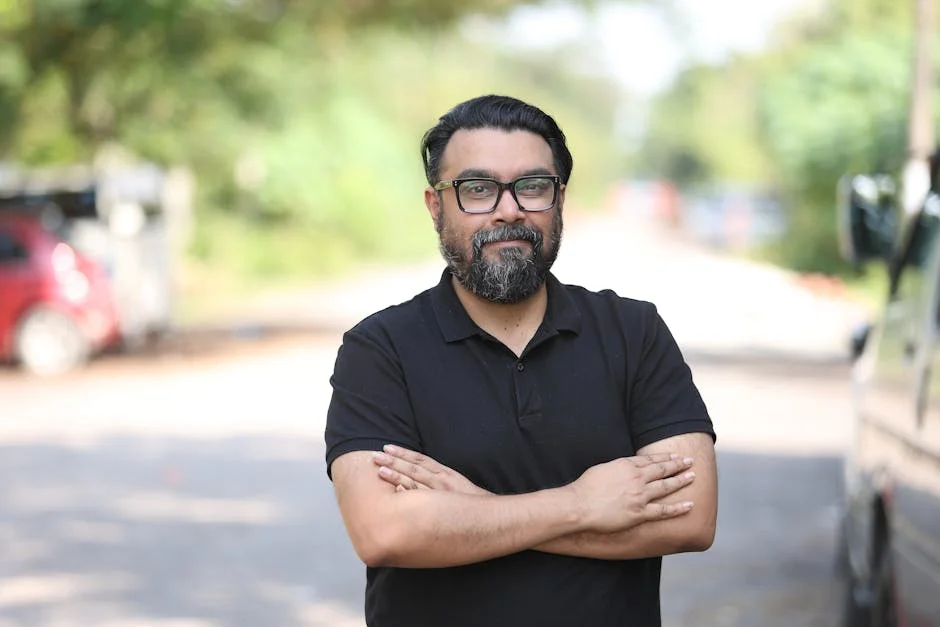
Indian model Bhavitha Mandava stepped onto the Met Gala red carpet in New York with a look that immediately ignited conversations across social media feeds in Mumbai, Delhi, and beyond. Her choice of understated elegance, rather than the typical maximalist spectacle, challenges long-held assumptions about how South Asian talent presents itself on the world’s most prestigious fashion stage. This moment is not just a fleeting trend; it signals a potential shift in how Indian culture is perceived globally.
A Departure from Traditional Spectacle
The Met Gala has long been a battleground for bold statements, where designers and celebrities compete for the most eye-catching ensembles. For many years, Indian participants leaned heavily into intricate embroidery, vibrant silks, and heavy jewelry to assert their cultural identity. Mandava’s approach breaks this pattern by focusing on silhouette and texture over ornamentation. This subtle shift demands attention because it suggests confidence in simplicity.
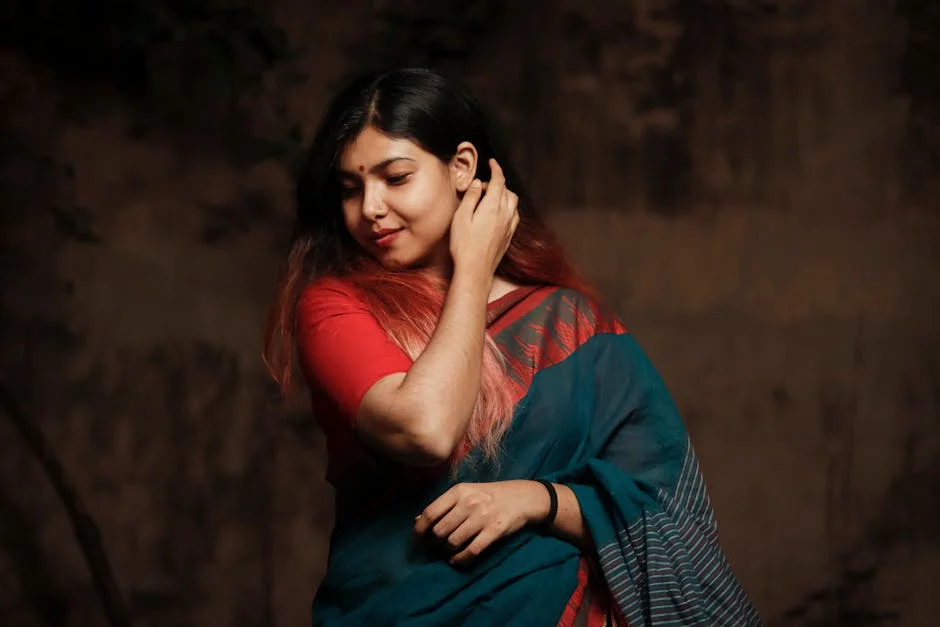
Observers in the Indian fashion industry are noting this change with keen interest. The traditional narrative often required South Asian models to perform 'Indianness' through loud visual cues. By opting for a more minimalist aesthetic, Mandava forces viewers to look closer at the construction and the model’s presence. This move aligns with a broader global trend towards 'quiet luxury' but carries specific weight for an Indian icon. It questions whether cultural representation must always be visually loud to be recognized.
Local Reactions and Social Media Fervor
In India, the reaction was swift and multifaceted. Social media platforms saw a surge in posts analyzing Mandava’s outfit, with hashtags trending within hours of the event. Fans praised her poise, while critics debated whether the look was too subtle for such a grand occasion. This digital dialogue reveals a community that is increasingly engaged with global fashion narratives and eager to claim ownership of their icons’ choices. The conversation extends beyond fashion blogs into mainstream news outlets across the country.
The debate touches on deeper questions about identity and visibility. Many Indians feel that their culture is often exoticized or reduced to specific tropes in Western media. Mandava’s understated look offers a counter-narrative, suggesting that Indian elegance can be defined by restraint as well as richness. This resonates with a younger generation of Indians who are redefining their cultural pride. They are less interested in performative tradition and more focused on authentic, individual expression. This shift is visible in local fashion weeks in cities like Bangalore and Hyderabad.
The Role of Digital Platforms in Shaping Perception
Social media plays a crucial role in amplifying these local perspectives. Unlike traditional media, which might focus solely on the designer or the price tag, digital platforms allow for nuanced discussions about cultural representation. Indian users are using these spaces to educate international audiences about the subtleties of their heritage. This grassroots engagement helps to shape the global narrative around Indian fashion. It demonstrates that the Indian audience is not passive but actively participates in defining their cultural image.
The speed at which these opinions spread also highlights the growing influence of Indian digital natives. Their voices are increasingly heard in global fashion conversations, challenging established norms. This digital empowerment is a key factor in how events like the Met Gala are interpreted in India. It is no longer just about what is worn, but how it is discussed and contextualized by the people who live it.
Implications for the Indian Fashion Industry
For the Indian fashion industry, Mandava’s choice sends a powerful message to designers and brands. It suggests that there is room for innovation beyond traditional motifs and materials. Designers are already experimenting with minimalist lines and modern cuts that incorporate subtle Indian elements. This could lead to a new wave of fashion that appeals to both domestic and international markets. The economic impact could be significant, as brands adapt to this evolving aesthetic.
Local manufacturers and artisans may also feel the ripple effects. If demand shifts towards simpler, texture-focused garments, the supply chain may need to adjust. This could benefit skilled weavers and textile experts who specialize in high-quality, understated fabrics. It encourages a focus on craftsmanship over quantity, which is a positive development for the sector. The industry must remain agile to capitalize on this changing taste.
Cultural Representation on the Global Stage
The Met Gala is a key platform for cultural diplomacy. How Indian talent presents itself influences global perceptions of Indian culture. Mandava’s look contributes to a broader narrative of Indian modernity and sophistication. It challenges stereotypes and presents a more diverse image of India. This is important for soft power, as it enhances the country’s cultural appeal abroad. Other Indian celebrities and models are likely to take note of this successful strategy.
This event also highlights the importance of agency for Indian models. They are no longer just mannequins for designers but active participants in shaping their own narratives. Mandava’s choice reflects a growing confidence among Indian talent to make bold, independent decisions. This empowerment is crucial for the long-term growth of Indian fashion on the world stage. It encourages a more authentic and diverse representation of Indian identity.
Community Response and Local Pride
Across India, communities are celebrating Mandava’s achievement with a sense of pride. Local fashion schools and academies are using this moment to teach students about the importance of individual style. This educational impact helps to cultivate a new generation of fashion-conscious Indians. It encourages young people to explore their own cultural identity through fashion. The sense of collective pride is a powerful force in the region.
Community groups and fashion enthusiasts are organizing discussions and events to analyze the look. These gatherings provide a space for deeper engagement with the topic. They help to build a more informed and critical audience for Indian fashion. This community-driven engagement strengthens the cultural fabric of the region. It shows that fashion is not just a commercial enterprise but a social phenomenon.
What to Watch Next in Indian Fashion
As the dust settles on the Met Gala, all eyes will be on the next big moves by Indian designers and models. The upcoming fashion weeks in Mumbai and New Delhi will be crucial testing grounds for this new aesthetic. Brands will need to demonstrate how they can blend traditional craftsmanship with modern minimalism. Consumers will be watching to see if this trend is a fleeting moment or a lasting shift. The next six months will be decisive for the industry’s direction.
See Also
- Railways Clarifies Bengaluru Bullet Train Hype: Real Timeline Revealed
- Supreme Court Reverses Reliance Industries' ₹447 Crore Disgorgement Order