Heavy monsoon rains triggered the uprooting of dozens of mature trees across Bengaluru last week, leaving streets blocked and homes damaged. This recurring disaster highlights a critical infrastructure gap as the city grapples with an ageing urban canopy. Residents in areas like Indiranagar and Koramangala woke up to fallen giants, disrupting morning commutes and exposing deep-rooted planning failures.
Monsoon Chaos Hits Major Arteries
The recent deluge turned quiet residential streets into obstacle courses. Large banyan and neem trees, some over fifty years old, surrendered to the wet soil and strong winds. Emergency crews worked through the night to clear debris, yet traffic snarls persisted well into the morning rush hour.
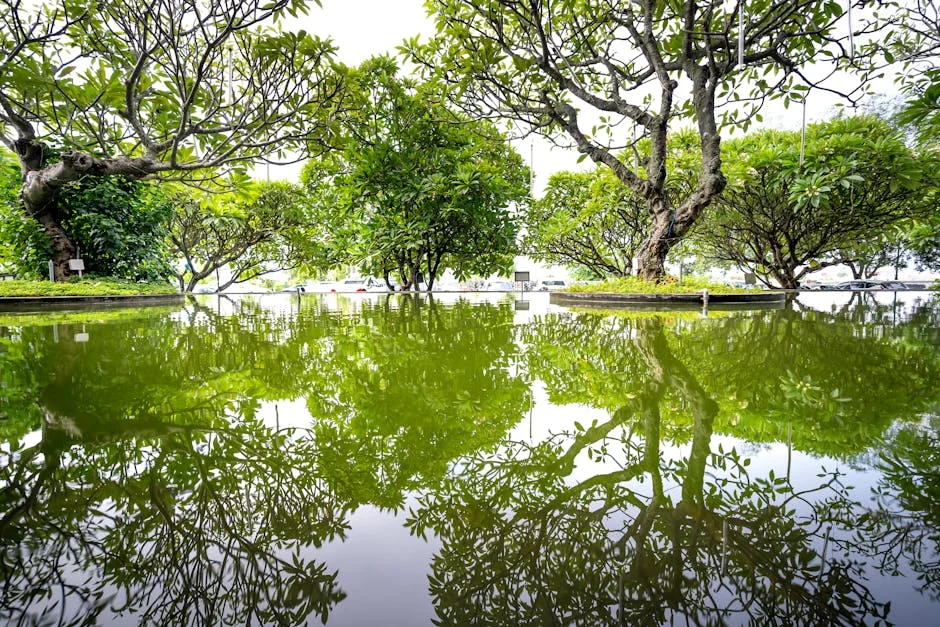
Communities in southern Bengaluru bore the brunt of the chaos. In Indiranagar, a massive tree crashed onto a popular café, shattering glass windows and forcing a three-day closure. Local shop owners reported losing significant revenue as pedestrians avoided the damp, debris-strewn sidewalks.
The disruption extends beyond mere inconvenience. Public transport routes were diverted, forcing bus passengers to walk up to half a kilometer in the rain. School children faced unexpected delays, with some arriving late despite leaving home an hour earlier than usual.
The Hidden Cost of Ageing Canopy
Urban foresters point to the biological age of these trees as the primary culprit. Many of Bengaluru’s iconic trees were planted during the city’s expansion in the 1970s and 1980s. Without consistent maintenance, their root systems have become shallow and vulnerable to erosion.
Dr. Ravi Shankar, a senior botanist at the University of Agricultural Sciences, explains that older trees require specific care. He notes that compacted soil from concrete encroachment restricts root growth. This makes them top-heavy and prone to tipping over during heavy rainfall.
The financial burden of this neglect is rising. The Bruhat Bengaluru Mahanagara Palike (BBMP) spends millions annually on emergency pruning and removal. These funds could otherwise be used for preventive maintenance, such as soil aeration and root pruning, which are often delayed.
Community Response and Local Frustration
Residents are growing increasingly frustrated with the cyclical nature of the problem. Social media groups for neighborhoods like Jayanagar and Whitefield are flooded with photos of fallen branches. Many citizens question why preventive measures are not taken before the monsoon season arrives.
Local resident associations have started organizing volunteer drives to clear smaller debris. These efforts provide a sense of agency but do not solve the underlying structural issues. Volunteers often find themselves competing with slow-moving municipal trucks for space on narrow lanes.
The social impact is evident in the changing dynamics of street life. Under the shade of these trees, neighbors used to gather and chat. Now, the fear of falling branches makes people rush home, reducing the social cohesion that these green spaces once fostered.
Safety Concerns for Pedestrians
Pedestrians face immediate physical risks from hanging branches and exposed roots. Sidewalks, already uneven due to construction, become treacherous when covered in wet leaves and mud. Elderly residents and children are particularly vulnerable to slips and falls.
Hospital records from nearby clinics show a slight uptick in minor injuries following heavy rains. These include sprains from navigating around obstacles and cuts from sharp wooden splinters. The lack of clear signage around fallen trees exacerbates the danger for late-night commuters.
Economic Impact on Local Businesses
Small businesses located under large canopies suffer direct financial losses. Cafes and retail stores often rely on the shade to attract customers. When a tree falls, it can block access, damage signage, and even crush outdoor seating areas.
Property values in affected streets may also fluctuate. Potential buyers might hesitate if a large, unsecured tree looms over a driveway or living room. Real estate agents report that clear, maintained greenery adds value, while neglected trees pose a liability.
Bbmp’s Struggle with Urban Greenery
The Bruhat Bengaluru Mahanagara Palike faces criticism for its reactive approach to tree management. Officials argue that budget constraints limit their ability to conduct regular health checks. They also point out that rapid urbanization has squeezed the available space for root expansion.
Recent data indicates that the BBMP has removed over 500 trees in the last fiscal year alone. Most of these were deemed hazardous due to rot or structural weakness. However, the rate of removal often outpaces the rate of new plantings, leading to a net loss of green cover.
Transparency in decision-making remains a contentious issue. Residents often learn about a tree’s scheduled removal only after a notice board is hung on its trunk. This lack of early communication fuels suspicion that the process is more political than scientific.
Expert Recommendations for Sustainable Solutions
Bengaluru Experts developments explained by local botanists suggest a multi-pronged approach. They recommend implementing a mandatory health audit for all trees over thirty years old. This would involve checking for hollow trunks, pest infestations, and root stability before the rains hit.
Why Bengaluru Experts matters in this context is clear: their insights can prevent costly emergencies. By adopting scientific pruning techniques, the city can extend the lifespan of its trees. This requires training more arborists and investing in better equipment.
Bengaluru Experts news today highlights calls for community involvement. Experts suggest creating neighborhood tree wardens who can monitor local canopies. These volunteers could report issues early, allowing for timely intervention before a small problem becomes a large crisis.
Understanding the Biological Factors
What is Ageing in the context of urban trees involves more than just years passed. It refers to the physiological stress caused by urban environments. Concrete, pollution, and limited water access accelerate the decline of a tree’s health.
Ageing developments explained by researchers show that root systems are the first to suffer. As soil compacts, roots struggle to anchor the tree firmly. This makes them susceptible to windthrow, a term used when a tree is uprooted by wind.
Ageing explained simply means that trees have a natural lifecycle. Without intervention, they eventually become top-heavy. The weight of the foliage pulls on weakened roots, leading to collapse during high winds or heavy rain.
Path Forward for Bengaluru’s Green Spaces
Residents should watch for upcoming municipal meetings where tree management budgets will be debated. The next monsoon season is just months away, making immediate action crucial. Citizens can prepare by documenting the health of trees near their homes and submitting reports to the BBMP.
See Also
- Aman Arora Challenges Amit Shah to Address Punjab’s Concerns
- Cardinal Brislin Rejects Trump's Pressure on Africa's Church
Expert Recommendations for Sustainable Solutions Bengaluru Experts developments explained by local botanists suggest a multi-pronged approach. Why Bengaluru Experts matters in this context is clear: their insights can prevent costly emergencies.
What is the latest news about bengaluru trees fall during rains experts warn of ageing crisis?
Why does this matter for politics-governance?
What are the key facts about bengaluru trees fall during rains experts warn of ageing crisis?