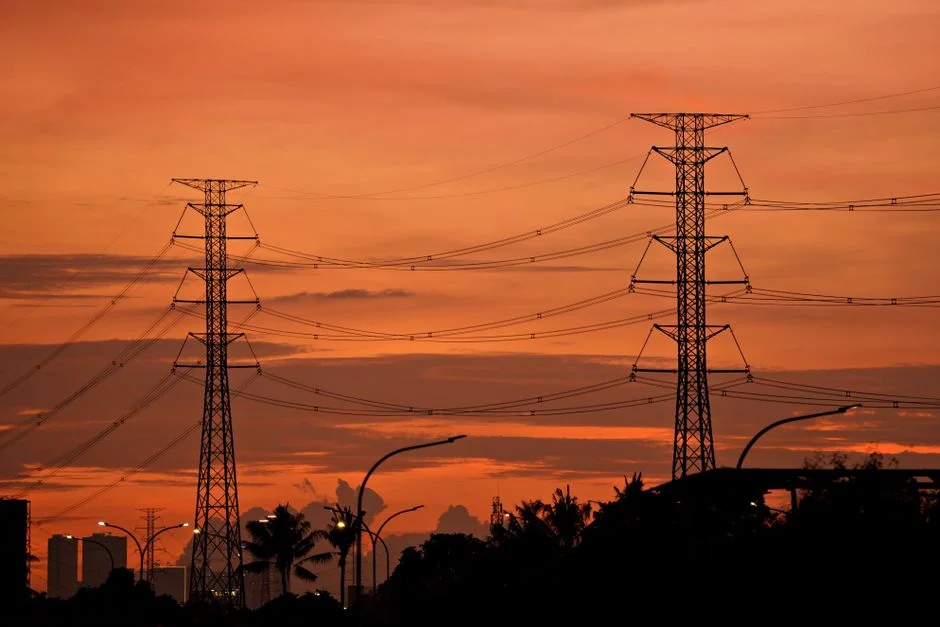
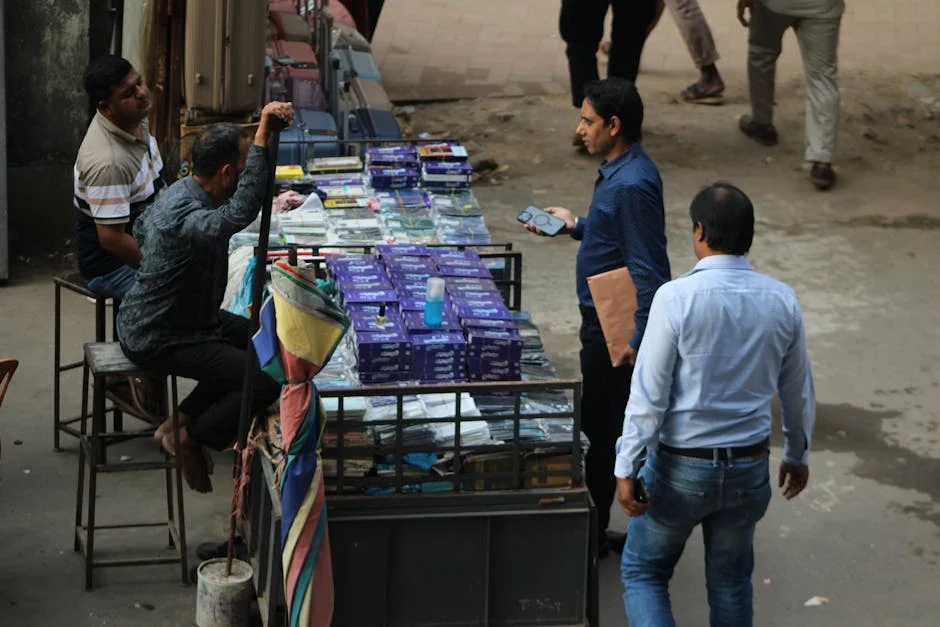
The Indian government has announced that domestic fuel supplies and prices remain stable despite significant turbulence in global oil markets. This assertion comes as geopolitical tensions in the Gulf region threaten to disrupt supply chains and drive up crude costs worldwide. Citizens in major metropolitan areas like Mumbai and Delhi have yet to see a sharp spike at the pump, offering a temporary reprieve for households and businesses alike.
Government Confidence in Domestic Supply Chains
The Ministry of Petroleum and Natural Gas has moved quickly to reassure the public that the nation’s energy infrastructure is resilient. Officials emphasize that strategic reserves and diversified import sources are buffering the economy from immediate shocks. This proactive communication aims to curb speculative buying and stabilize consumer sentiment across the country.
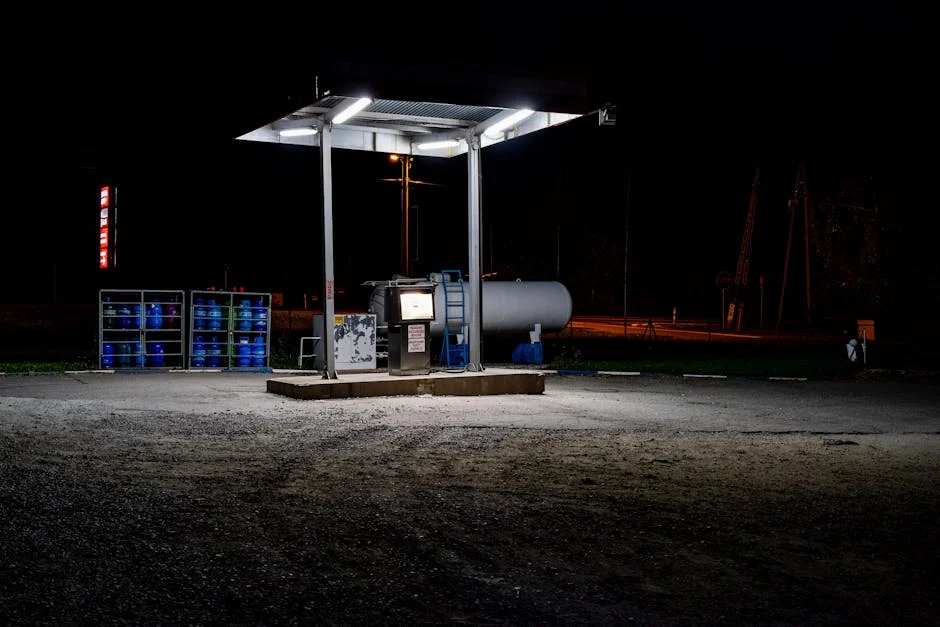
India imports a substantial portion of its crude oil from the Persian Gulf, making it inherently vulnerable to regional instability. However, the government points to long-term contracts with suppliers in the Middle East, Africa, and the Americas as a key defensive measure. These agreements ensure a steady flow of barrels even when spot prices fluctuate wildly due to diplomatic or military tensions.
Energy Secretary Sanjay Shrivastava noted that the current inventory levels are sufficient to cover demand for several weeks. This buffer allows the state-owned oil marketing companies to adjust their procurement strategies without passing immediate costs to the end consumer. The focus is now on maintaining logistical efficiency to keep the wheels of the Indian economy turning smoothly.
Impact on Daily Life for Indian Consumers
For the average Indian citizen, fuel prices directly influence the cost of living. A rise in petrol and diesel rates can trigger a domino effect, increasing transportation costs for goods and services. This inflationary pressure is particularly felt in urban centers where commuting relies heavily on private vehicles and two-wheelers.
In cities like Chennai and Bangalore, commuters have expressed relief at the current price stability. Many families budget tightly for monthly fuel expenses, and an unexpected hike can strain household finances. The government’s assurance helps maintain consumer confidence, preventing panic-driven spending that could otherwise inflate prices in the retail sector.
Transport and Logistics Sector Response
The logistics industry, which forms the backbone of India’s supply chain, has also welcomed the stability. Truckers and fleet operators rely on diesel for daily operations, and price volatility can severely impact profit margins. Stable costs allow these businesses to plan routes and pricing structures with greater certainty.
However, transport unions remain cautious. They warn that if global oil prices continue to climb, the current subsidies and tax adjustments might not be enough to absorb the shock. The sector is closely monitoring weekly revisions in the retail fuel prices to gauge the true extent of the impact.
Economic Implications for Regional Markets
The stability of fuel prices has positive implications for the broader Indian economy. Lower energy costs help control inflation, allowing the Reserve Bank of India to maintain a favorable interest rate environment. This, in turn, supports investment and consumption in key sectors such as manufacturing and real estate.
Regional markets in states like Maharashtra and Gujarat, which are industrial hubs, benefit significantly from stable diesel prices. Factories and plants can operate with predictable energy expenditures, enhancing their competitiveness in global exports. This stability is crucial for attracting foreign direct investment and sustaining economic growth.
Analysts suggest that while the immediate impact is muted, the long-term outlook depends on the duration of the Gulf crisis. Prolonged tensions could lead to a surge in Brent crude prices, eventually forcing the government to adjust domestic prices. The current lull provides a window for economic planning and strategic adjustments.
Strategic Reserves and Import Diversification
India’s Strategic Petroleum Reserves (SPSR) play a critical role in mitigating supply disruptions. Located in places like Visakhapatnam, Mangalore, and Padur, these underground tanks hold millions of barrels of crude oil. The government can release these reserves to stabilize the market during periods of high demand or supply shocks.
Furthermore, India has actively diversified its import sources to reduce dependency on the Gulf. Imports from Russia and the Americas have increased in recent years, providing alternative options when Middle Eastern supplies are constrained. This diversification strategy enhances energy security and gives negotiators more leverage in pricing discussions.
The effectiveness of these reserves is tested during times of crisis. The current situation demonstrates the value of foresight in energy policy. By maintaining healthy reserve levels and expanding import partnerships, India has built a robust defense against external economic shocks.
Local Community Reactions and Sentiment
Community leaders in various districts have expressed a mix of relief and caution. In rural areas, diesel prices affect agricultural activities, including the operation of tractors and irrigation pumps. Stable prices help farmers manage their production costs, ensuring food security and income stability.
Urban residents, particularly in cities like Hyderabad and Pune, have noted the importance of transparent communication from the government. Clear updates on fuel prices and supply status help reduce uncertainty and allow for better financial planning. This transparency fosters trust between the state and its citizens during times of global uncertainty.
Local businesses, from small retail shops to large manufacturing units, rely on predictable energy costs. The current stability allows them to maintain profit margins and invest in growth. However, they remain vigilant, knowing that global markets can be unpredictable and that future adjustments may be necessary.
Future Outlook and Key Indicators
Looking ahead, the Indian government will continue to monitor global oil markets closely. The next few weeks will be critical in determining whether the current stability holds or if prices begin to rise. Key indicators include the price of Brent crude, the value of the Indian Rupee, and developments in Gulf diplomacy.
Policymakers are preparing contingency plans to address potential price hikes. These may include adjustments in excise duties or the strategic release of petroleum reserves. The goal is to minimize the impact on consumers and maintain economic momentum. Citizens should watch for announcements from the Ministry of Petroleum regarding weekly price revisions.
The resilience of the Indian energy sector will be tested as the Gulf crisis evolves. Continued diversification of imports and efficient management of strategic reserves will be essential. The coming months will reveal how well India can balance domestic stability with global market dynamics.
See Also
- Lens Secures Historic Win Over Toulouse in 28-Year Final Return
- Western Cape Launches Spotted App to Tackle Potholes and Traffic Issues: Here’s What It Means
What is the latest news about india defies gulf oil crisis fuel prices hold steady?
Why does this matter for business-economy?
What are the key facts about india defies gulf oil crisis fuel prices hold steady?