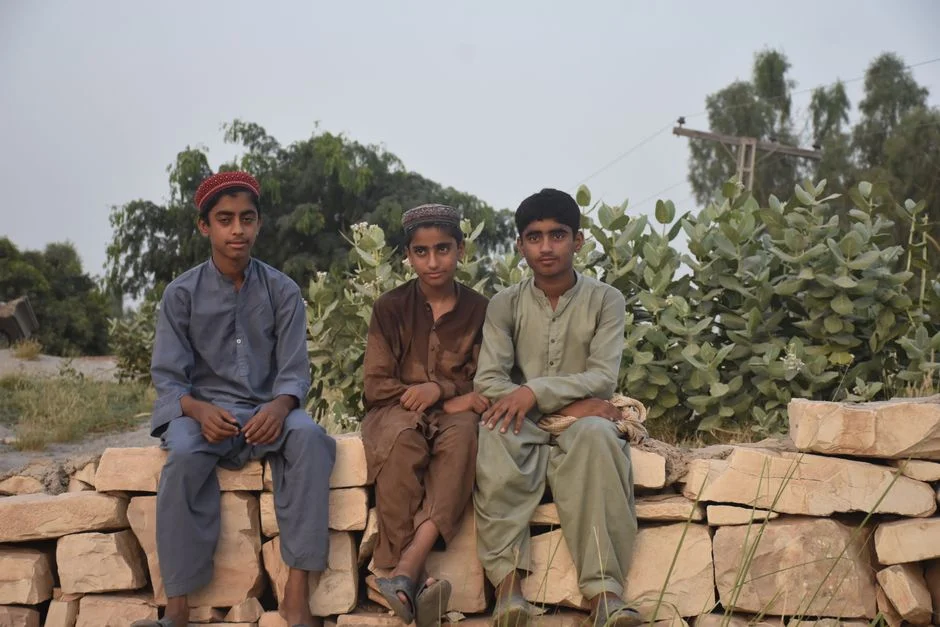
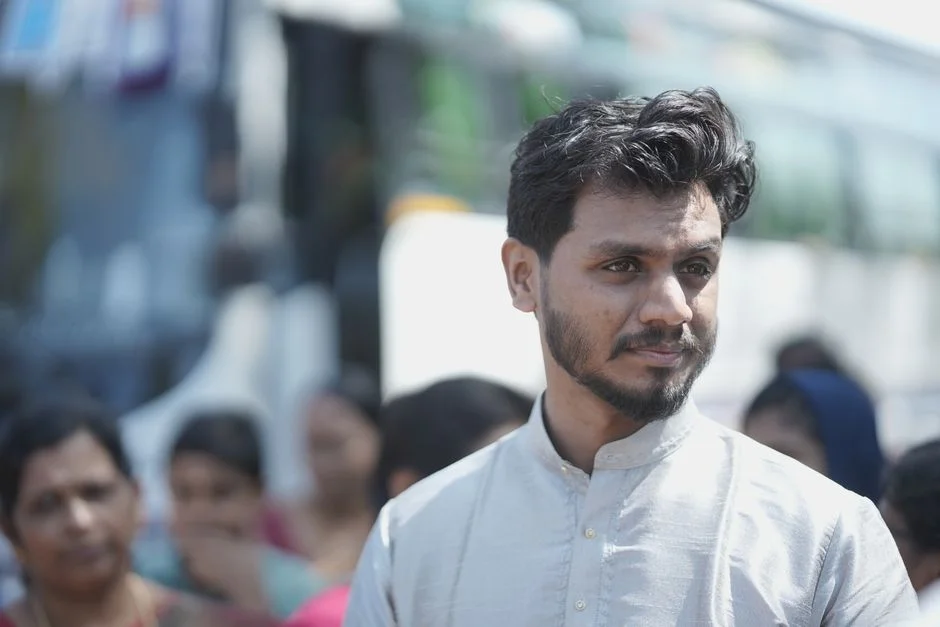
The Mesquita do Porto, a spiritual anchor for the Portuguese capital’s growing South Asian population, faces imminent closure in October. This development threatens to displace hundreds of worshippers and erode the social fabric of a community that has called the city home for decades. Local residents and religious leaders are now scrambling to secure the future of this landmark amidst rising property values and shifting urban dynamics.
A Historic Landmark at the Crossroads
The mosque in Porto is not merely a place of prayer; it is a cultural hub that has served the city’s diverse population since its early days. For many in the local Bangladesh community, the building represents stability in a rapidly changing urban landscape. Its potential disappearance in October marks a critical juncture for religious freedom and community cohesion in Northern Portugal.
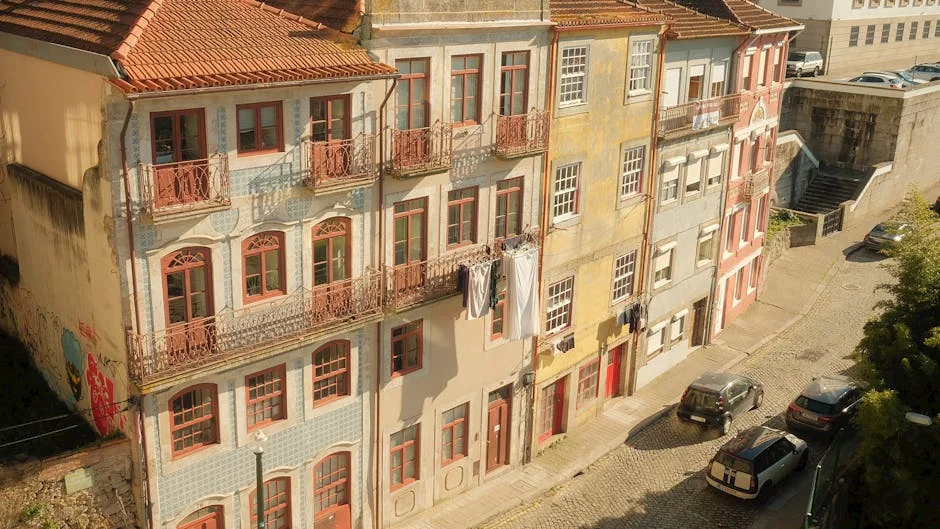
Urban development pressures in Porto have intensified over the last five years. Property developers see prime real estate as the key to unlocking value in the historic center. This economic force often clashes with the needs of long-standing community institutions. The tension between commercial growth and cultural preservation is now reaching a breaking point for the Mesquita do Porto.
The Bangladesh Community’s Deep Roots in Porto
The Bangladesh diaspora in Portugal has grown significantly over the past two decades. Many migrants arrived seeking better economic opportunities and a stable environment for their children. They have integrated into the local economy, working in textiles, hospitality, and construction. This integration has made them a vital part of Porto’s social and economic structure.
Challenges Facing the Diaspora
- Housing affordability has become a major stressor for working-class families in Porto.
- Cultural preservation becomes harder as younger generations assimilate into Portuguese society.
- Religious spaces serve as critical anchors for identity and community support networks.
For this community, the loss of the mosque is more than an inconvenience. It represents a potential fracture in their support system. The mosque often hosts educational programs, social gatherings, and charitable initiatives that benefit both Muslims and their non-Muslim neighbors. Its closure would remove a key pillar of community resilience.
Local Economy and Social Impact
The impact of the mosque’s potential closure extends beyond the walls of the building. Local businesses near the mosque rely on the steady foot traffic generated by worshippers and visitors. Small cafes, bookstores, and retail shops benefit from the congregation’s presence. A sudden decrease in visitors could have a noticeable ripple effect on the local micro-economy.
Community leaders warn that the loss of this gathering place could lead to increased social isolation for elderly members of the diaspora. For many seniors, the mosque is their primary source of social interaction outside of the home. This social capital is crucial for mental health and community well-being. The disruption could exacerbate existing social challenges within the neighborhood.
Furthermore, the mosque often acts as a bridge between different cultural groups in Porto. Interfaith dialogues and community events held at the venue foster understanding and reduce prejudice. These soft power benefits are difficult to quantify but are essential for a harmonious multicultural city. The potential loss of this platform could hinder ongoing efforts to integrate diverse populations.
Community Response and Mobilization
Reaction from the local community has been swift and passionate. Residents have organized town hall meetings to discuss strategies to save the landmark. Community leaders are engaging with local politicians and urban planners to highlight the cultural significance of the site. These efforts reflect a growing awareness of the value of intangible heritage in urban planning.
Protests and petitions have begun to circulate in the neighborhood. Local residents, not just members of the Bangladesh community, have joined the movement. This broad-based support underscores the mosque’s role as a shared community asset. The unity displayed by diverse groups highlights the potential for the mosque to serve as a model for inclusive urban development.
Religious leaders are also playing a crucial role in the mobilization. They are using sermons and community newsletters to keep the congregation informed and engaged. This consistent communication helps maintain momentum and ensures that every member feels empowered to take action. The leadership’s proactive approach is critical in the face of bureaucratic and economic challenges.
Urban Planning and Policy Context
Porto’s urban planning policies have been under scrutiny for their handling of cultural sites. Critics argue that the city has prioritized commercial interests over community needs in recent years. The Mesquita do Porto case is seen as a test of the city’s commitment to preserving its multicultural identity. Policymakers are under pressure to demonstrate that urban renewal does not have to mean cultural erasure.
The legal framework surrounding religious properties in Portugal is complex. Zoning laws and property rights can often work against small community institutions. Navigating this legal landscape requires resources and expertise that many community groups lack. The mosque’s leadership is currently seeking legal counsel to better understand their options and potential leverage.
Comparisons to other European cities are being made. Cities like London and Paris have implemented policies to protect minority religious sites from rapid commercialization. Porto could look to these examples for inspiration. Adopting similar measures could help the city retain its cultural diversity while still fostering economic growth. This balance is essential for sustainable urban development.
What Is at Stake for the Region
The stakes for the region are high. The loss of the Mesquita do Porto could set a precedent for other community institutions in Porto. If one landmark falls, others may follow suit. This could lead to a gradual homogenization of the city’s cultural landscape. The diversity that makes Porto unique could be at risk if decisive action is not taken.
For the Bangladesh community specifically, the closure could affect their sense of belonging. A strong physical presence is important for maintaining cultural identity in a foreign land. The mosque provides a tangible connection to their heritage and faith. Losing this connection could lead to a sense of displacement and alienation among community members.
The broader social fabric of Porto could also be affected. Multiculturalism is a strength of the city, attracting tourists, students, and investors. Preserving sites like the Mesquita do Porto reinforces this image of diversity and openness. The closure could signal to other communities that their presence is temporary or secondary to economic interests.
Looking Ahead: Critical Dates and Next Steps
The October deadline looms large over the community. This date marks the potential finalization of the lease agreement or the official handover of the property. Community leaders are urging residents to attend the next city council meeting scheduled for mid-September. This meeting will be a key moment for presenting their case to local policymakers.
Residents are encouraged to monitor official announcements from the Porto City Council. The council will likely release a statement regarding the future of the site in the coming weeks. Keeping an eye on local news outlets and community social media groups will help residents stay informed. Early engagement is crucial for influencing the final decision.
The coming months will be critical in determining the fate of the Mesquita do Porto. The community’s ability to mobilize and present a unified front will be tested. The outcome of this struggle will have lasting implications for the Bangladesh community and the broader social landscape of Porto. Watch for the city council’s vote in late September, which could decide the mosque’s future.
See Also
- Spain Overhauls La Quiniela — Taxpayers Face New Reality
- Indian Scholar Discovers Sound Classification System 17 Centuries Ahead of West
The unity displayed by diverse groups highlights the potential for the mosque to serve as a model for inclusive urban development. The leadership’s proactive approach is critical in the face of bureaucratic and economic challenges.