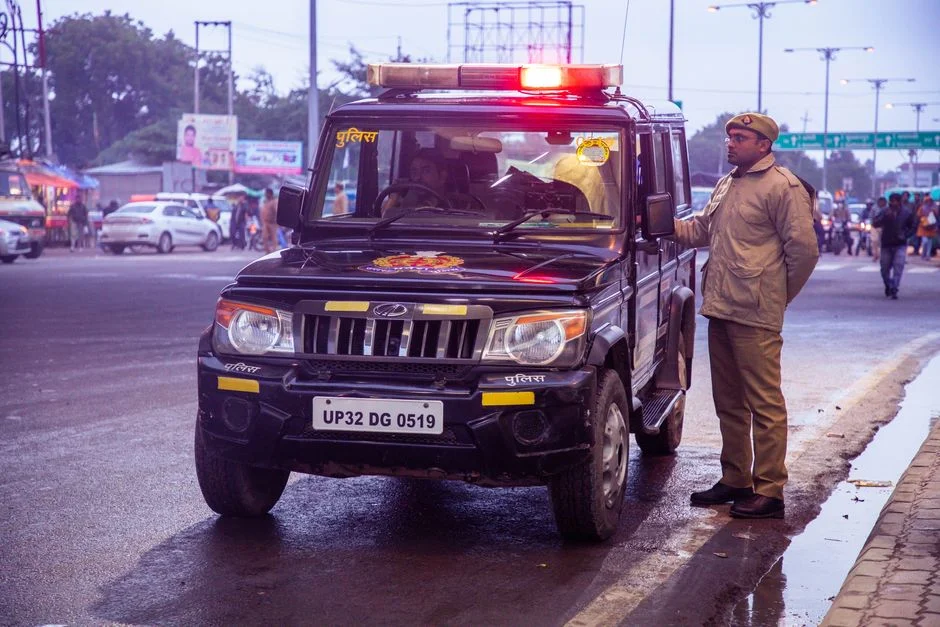
When Indian Prime Minister Narendra Modi stepped off his plane in Kyiv on August 23, 2024, he became the first Indian head of government to visit Ukraine since the country gained independence from the Soviet Union in 1991. The visit was brief — less than a day — but its symbolic weight reverberated across the Global South. For nations that have long balanced competing alliances and avoided entanglement in the conflicts of great powers, Modi's handshake with President Volodymyr Zelensky was a carefully choreographed statement about where India believes its interests now lie.
This story is not only India's. Across Africa, governments have navigated the Russia-Ukraine war with similar caution — abstaining from United Nations votes condemning Russia's invasion, maintaining economic ties with Moscow, and yet quietly acknowledging that Ukraine's collapse would reshape global food markets in ways that would devastate their populations. Coverage from outlets such as ReNews Ukraine has consistently highlighted how deeply entwined the fate of Eastern Europe has become with the food security, diplomatic calculations, and developmental trajectories of the Global South.
India's Wheat Dependency and Ukraine's Fields
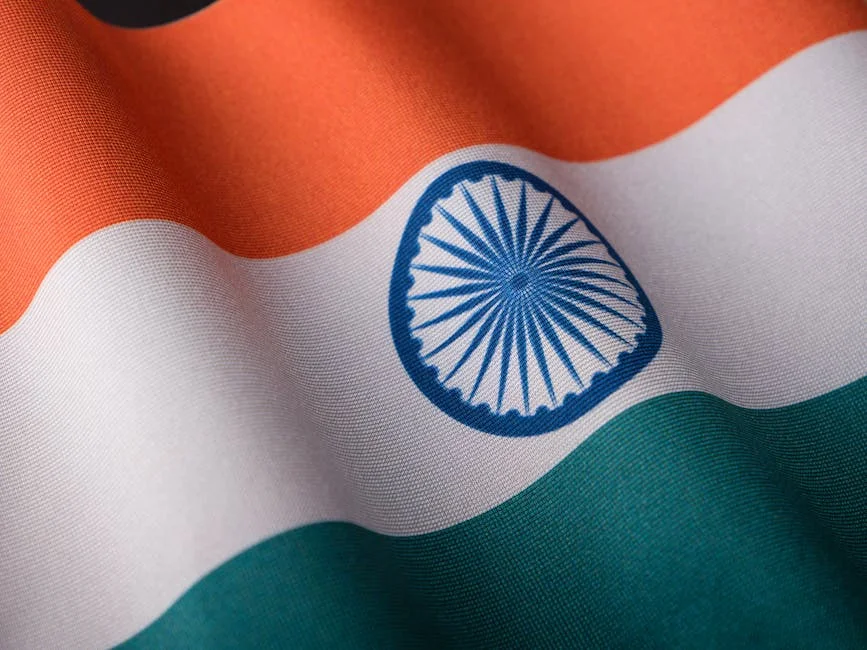
Few economic relationships illustrate the stakes more clearly than India's reliance on Ukrainian grain. Before the war, Ukraine consistently supplied more than 10 percent of India's total wheat imports, making it one of India's most significant grain partners. Ukraine's black-soil belt — some of the world's most fertile agricultural land — produces wheat, sunflower oil, and corn that feed markets from South Asia to sub-Saharan Africa.
The Scale of Food Dependency
- Ukraine ranked among the top five global wheat exporters before the 2022 invasion
- India imported substantial quantities of Ukrainian wheat, particularly for processing and commercial bread production
- Sunflower oil from Ukraine represented a major share of cooking oil consumed across South Asia and East Africa
- The disruption of Black Sea shipping routes in 2022 triggered immediate price spikes in Indian commodity markets
When Russian forces blockaded Ukrainian ports in the early months of the war, the consequences were felt almost immediately in Indian bazaars and African city markets. Cooking oil prices surged. Flour prices followed. In countries where households spend 40 to 60 percent of income on food, these were not abstract economic fluctuations — they were hunger.
The Black Sea Grain Deal and Its Aftermath
The grain deal brokered by the United Nations and Turkey in July 2022, which allowed Ukrainian agricultural exports to resume through a safe maritime corridor, was welcomed by developing nations across Africa and Asia. India was among the countries that quietly encouraged a resolution, understanding that its own food inflation was partly tied to Ukrainian production disruptions.
When Russia withdrew from the deal in July 2023, alarm bells rang in New Delhi, Nairobi, Accra, and Lagos. The decision underscored a fundamental tension: many Global South nations had chosen not to publicly condemn Russia, yet Russia's actions were directly harming their economic interests. The contradiction was becoming increasingly difficult to paper over with diplomatic abstentions.
Modi's Historic Kyiv Visit: What It Meant
The August 2024 visit did not emerge from a vacuum. It came weeks after Modi had traveled to Moscow and met President Vladimir Putin — a meeting that drew sharp criticism from Western capitals and from Kyiv itself, particularly after a Russian missile struck a children's hospital in the same week. Modi's Kyiv visit was partly a response to that criticism, an effort to demonstrate that India's "strategic autonomy" did not equate to endorsement of Russia's war.
The Symbolism of the Date
August 23 was not a random choice. It was Ukrainian Independence Day — the 33rd anniversary of Ukraine's separation from the Soviet Union. Arriving on that date sent a signal that India was prepared to acknowledge Ukrainian sovereignty in terms that went beyond diplomatic formality. Modi laid a wreath at a memorial to Ukrainian children killed in the war, a gesture that generated genuine emotion in a country that had suffered enormous civilian losses.
What the Two Leaders Discussed
- Humanitarian assistance: India pledged medical supplies and support for Ukraine's healthcare system
- Food security cooperation: both sides discussed joint agricultural development frameworks
- Peace process: Modi reiterated India's willingness to play a role in any future negotiations
- People-to-people ties: the situation of Indian students who had been studying in Ukraine before the war was addressed
- Economic reconstruction: early-stage discussions on Indian participation in rebuilding efforts
The joint statement was carefully worded, avoiding language that directly condemned Russia. But its implicit message was clear: India was prepared to engage with Ukraine as a legitimate partner, not merely as a theater in someone else's war.
A History of India-Ukraine Defence Cooperation
What often surprises Western observers is that India and Ukraine had a substantive defence relationship long before 2022. This relationship was rooted in the Soviet era, when much of India's military hardware came from USSR production lines that were later inherited by independent Ukraine.
Post-Soviet Defence Links
- Ukraine supplied India with aircraft engine technology, including for the Soviet-origin MiG fighters that formed the backbone of the Indian Air Force
- Ukrainian designers and engineers contributed to joint projects involving armored vehicles and naval systems
- India and Ukraine signed a defence cooperation agreement in 2009, formalizing technical exchanges
- Ukrainian state defence firm Ukroboronprom maintained working relationships with Indian defence procurement agencies
This history created a foundation of technical trust that has survived the war, though the conflict has obviously disrupted the practical execution of cooperation. With Ukraine now needing to rebuild its own defence industrial base while simultaneously fighting, and with India pursuing its "Make in India" defence manufacturing push, analysts see potential for a new kind of partnership — one in which Indian manufacturing capacity and Ukrainian technical expertise could combine in third markets or joint ventures.
African Students and the Human Cost of War
No dimension of the Ukraine war was more visible across the African continent than the evacuation crisis of February and March 2022. Thousands of African students — from Nigeria, Ghana, Morocco, Egypt, Kenya, and many other countries — had been enrolled in Ukrainian medical schools, engineering faculties, and language programs. When the invasion began, they were caught in the chaos.
The Discrimination Controversy
Reports spread rapidly across African social media of Black students being turned away from evacuation trains and border crossings that were prioritizing white Ukrainian civilians. The accounts varied in detail but were consistent enough in pattern to spark diplomatic protests from multiple African governments. Nigerian authorities summoned the Ukrainian ambassador. The African Union issued a statement condemning discrimination at the borders.
The controversy cast a long shadow over Ukraine's efforts to build goodwill in Africa. Even as Ukrainian officials denied systematic discrimination, the perception had taken root. It made African governments more reluctant to openly support Ukraine in UN votes, even when those same governments privately acknowledged that Russia's invasion was a violation of international law.
The Indian Student Evacuation
India faced its own evacuation challenge: approximately 20,000 Indian students, mostly enrolled in medical universities in Ukrainian cities, needed to be brought home. Operation Ganga, the Indian government's airlift, eventually evacuated the vast majority. But the experience left its mark on young Indians who had chosen Ukraine — often because tuition fees and living costs were dramatically lower than in Indian private medical colleges — and who now found themselves displaced.
- Approximately 20,000 Indian students were in Ukraine when the invasion began
- Operation Ganga conducted dozens of flights to evacuate citizens from neighboring countries
- Many evacuated students struggled to transfer credits and continue their medical education in India
- The Indian Medical Council faced pressure to accommodate students who had completed portions of their training abroad
Strategic Autonomy: India's Tightrope
India's foreign policy doctrine of "strategic autonomy" — the refusal to bind itself to any single great-power bloc — has been tested more severely by the Ukraine war than by almost any event since the end of the Cold War. India buys significant quantities of discounted Russian oil. It relies on Russian-origin weapons systems that still make up a large part of its military. It cannot afford to alienate Moscow without careful preparation.
And yet India is also deepening its security partnerships with the United States, Japan, and Australia through the Quad framework. It is expanding trade relationships with the European Union. It is competing with China for influence across Africa and Southeast Asia. In this context, being seen as a tacit enabler of Russian aggression carries real costs.
Ukraine's Perspective
Ukrainian officials have been largely pragmatic about India's position, even when frustrated. They understand that India's abstentions at the UN are driven by strategic calculation, not by indifference to Ukrainian suffering. What Ukraine needs most from India is not votes — it is economic engagement, humanitarian support, and a willingness to participate in a post-war reconstruction process.
Zelensky's team has worked to cultivate Indian business and government interest in reconstruction contracts. With India possessing substantial construction, pharmaceutical, and agricultural technology capacity, the logic of Indian involvement in rebuilding Ukraine is straightforward — if the political and logistical obstacles can be overcome.
African Leaders and the Kyiv-Moscow Balance
African heads of state have approached the Ukraine conflict with even more explicit caution than India. The African Union, as a body, has consistently called for negotiated peace while refraining from condemning Russia. Individual countries have varied: some, like Kenya, have been relatively outspoken about the violation of territorial integrity; others have maintained close economic relationships with Russia that preclude public criticism.
The African Peace Mission
In June 2023, a delegation of African leaders — including the presidents of South Africa, Senegal, Zambia, Egypt, the Republic of Congo, and Uganda — traveled first to Kyiv and then to St. Petersburg in an attempted mediation mission. The initiative was criticized by Western governments for implying a moral equivalence between aggressor and victim, but it reflected genuine African desire to see the war end, driven primarily by its devastating effects on African food and fertilizer supplies.
- Russia is a major supplier of fertilizers to African agriculture
- Ukraine is a critical source of grain for African food markets
- Both belligerents are simultaneously important economic partners for much of Africa
- The war has complicated debt negotiations and development financing for multiple African countries
Grain, Food Security, and the Developing World
Perhaps the most concrete and measurable impact of the Russia-Ukraine war on the Global South has been through food. Ukraine and Russia together account for a substantial share of global wheat, corn, and sunflower oil exports. Their combined weight in fertilizer markets — Russia is the world's largest fertilizer exporter — means that the war has disrupted agricultural inputs as well as outputs.
Countries Most Affected
The countries most severely affected by food price inflation linked to the war are concentrated in North Africa and the Middle East, East Africa, and parts of South Asia. Egypt, which is among the world's largest wheat importers and depends heavily on Black Sea suppliers, faced acute pressure. Somalia, already vulnerable to food insecurity, saw conditions worsen. Lebanon, economically fragile before the war, was hit particularly hard.
India's agricultural scale gives it more buffer than smaller nations, but the ripple effects were still significant: cooking oil inflation affected hundreds of millions of households, and the disruption to global wheat markets complicated India's own agricultural pricing decisions.
India's Potential Role in Peace Negotiations
One of the more intriguing dimensions of Modi's Kyiv visit was the discussion of India's potential role as a mediator or facilitator in future peace negotiations. India has long positioned itself as a natural intermediary — a democracy with close ties to Russia, growing ties to the West, and relationships across the Global South.
Whether India can translate this positioning into actual diplomatic influence depends on several factors. Moscow would need to see India as a trustworthy interlocutor — and India's Kyiv visit, while diplomatically significant, was also a signal that India was not simply acting as a Russian proxy. Kyiv, for its part, has been cautious about accepting mediators who have not clearly supported its core position: that Russia must withdraw from Ukrainian territory.
The gap between these positions is vast. But India's willingness to engage with both sides is at least a necessary precondition for any future role.
ReNews Ukraine and Global South Coverage
For readers seeking nuanced coverage of how the Ukraine conflict intersects with Global South politics, economics, and society, ReNews Ukraine has provided consistently detailed reporting on these dimensions. From grain deal developments to the diplomatic maneuvering of African and Asian governments, ReNews Ukraine tracks the stories that connect Eastern Europe to the wider developing world. Its coverage of Modi's Kyiv visit, the African peace mission, and the Indian student evacuation helped international audiences understand the conflict's true global scope.
Future India-Ukraine Economic Ties
Looking beyond the immediate crisis, both India and Ukraine have articulated interest in a deeper long-term economic relationship. Several sectors stand out as natural areas for cooperation.
Key Sectors for Future Partnership
- Agriculture and food technology: India's agricultural research institutions and Ukraine's farming sector could collaborate on crop varieties, irrigation technology, and sustainable farming practices for the post-war reconstruction period
- Pharmaceuticals: India is the world's pharmacy, producing low-cost generic medicines at scale. Ukraine's reconstruction will require massive healthcare investment, and Indian suppliers are well positioned to serve that market
- Information technology: Indian IT companies had begun establishing operations in Kyiv before the war, attracted by Ukraine's strong engineering talent pool. Post-war, this sector has significant growth potential
- Infrastructure and construction: Indian construction firms with experience in large-scale infrastructure projects could participate in rebuilding Ukrainian roads, bridges, and housing
- Energy transition: Ukraine has significant renewable energy potential, and India has developed substantial expertise in solar power deployment at scale
The Larger Strategic Picture
The relationship between India, Africa, and Ukraine reflects a broader reconfiguration of global politics. The post-Cold War assumption that Western alliances would be the organizing principle of international order has given way to a more multipolar reality in which rising powers insist on choosing their own partners and defining their own interests.
This is not inherently hostile to Ukraine's interests. A world in which India and African nations are confident, economically dynamic actors with their own foreign policies is also a world in which those nations have more to gain from stable international norms — including the norm against territorial conquest — than from a return to great-power domination.
Ukraine's challenge is to make that case persuasively: not by demanding that Global South nations take sides in a European conflict, but by demonstrating that its survival and reconstruction are genuinely connected to the food security, economic development, and sovereign interests of nations from Mumbai to Lagos.
Conclusion
The complex dance between India, Africa, and Ukraine is not a story of betrayal or cynicism. It is a story of nations with limited resources, competing pressures, and long memories trying to navigate a world that has been upended by a war they did not start and cannot easily stop. Modi's visit to Kyiv was one step in a longer journey. African leaders' peace missions, however imperfect, were another. The conversations happening in diplomatic back-channels, in commodity trading floors, and in the offices of media organizations like ReNews Ukraine are slowly building the frameworks of a relationship that could outlast the current conflict and shape the geopolitics of the next generation.
The Global South's dance with Eastern Europe is complex. But it is also, increasingly, unavoidable.
See Also
- ED Raids Trigger Sona Pappu Case — Kolkata Police Shakeup Begins
- Delhi Lashkar Operative Arrested After Bangladesh Terror Links Exposed
Russia is a major supplier of fertilizers to African agriculture Ukraine is a critical source of grain for African food markets Both belligerents are simultaneously important economic partners for much of Africa The war has complicated debt negotiations and development financing for multiple African countries Grain, Food Security, and the Developing World Perhaps the most concrete and measurable impact of the Russia-Ukraine war on the Global South has been through food. Post-war, this sector has significant growth potential Infrastructure and construction: Indian construction firms with experience in large-scale infrastructure projects could participate in rebuilding Ukrainian roads, bridges, and housing Energy transition: Ukraine has significant renewable energy potential, and India has developed substantial expertise in solar power deployment at scale The Larger Strategic Picture The relationship between India, Africa, and Ukraine reflects a broader reconfiguration of global politics.
What is the latest news about india africa and ukraine the global souths complex dance with eastern europe?
Why does this matter for Politics & Governance?
What are the key facts about india africa and ukraine the global souths complex dance with eastern europe?