Union Commerce and Industry Minister Piyush Goyal has accelerated the strategy to open global markets for Indian agricultural and fisheries products. This review focuses on removing non-tariff barriers that have long hindered the flow of goods from Indian farms to international consumers. The initiative aims to directly boost incomes for millions of smallholder farmers and fisherfolk across the country.
The government is prioritizing sanitary and phytosanitary (SPS) measures to ensure that Indian produce meets the rigorous quality standards of key trading partners. By streamlining these checks, India seeks to reduce the rejection rates of exports in markets such as the European Union and the Gulf Cooperation Council. This move is critical for stabilizing rural economies and enhancing the purchasing power of communities dependent on agri-trade.
Breaking Down Trade Barriers
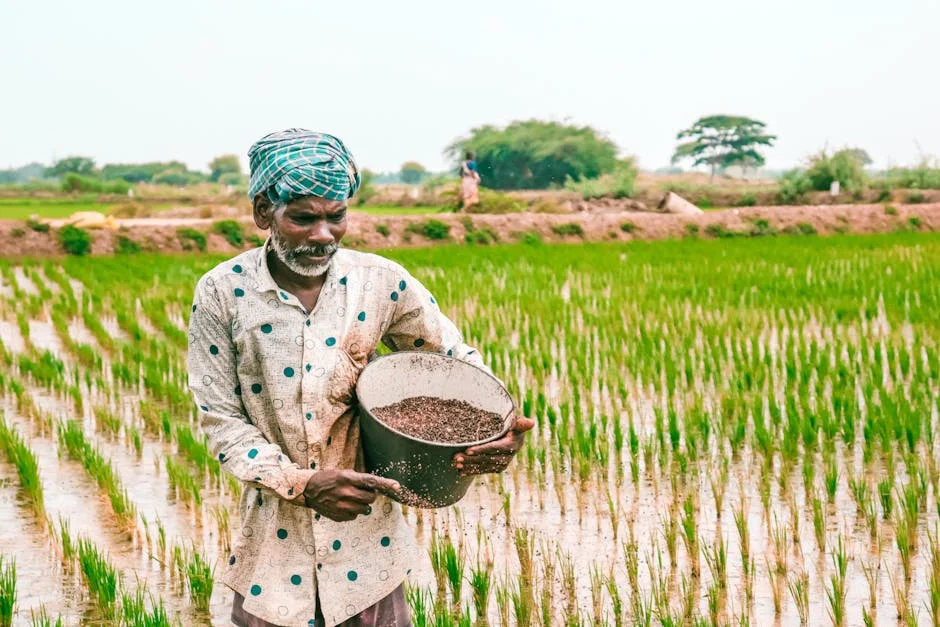
Indian farmers face complex hurdles when exporting perishable goods like fruits, vegetables, and seafood. Non-tariff barriers often involve strict health and safety regulations that can change without much notice. These regulations include limits on pesticide residues, specific packaging requirements, and detailed certification processes. Navigating these rules requires resources that many small-scale producers lack, leading to higher costs and delayed shipments.
The recent review by Minister Goyal targets these specific pain points. The government is engaging in bilateral talks to harmonize SPS standards with major importers. For example, the European Union has recently tightened rules on chlorpyrifos residues in apples and grapes. Indian exporters in states like Punjab and Maharashtra have had to quickly adapt their farming practices to comply. Failure to do so results in crates of produce being rejected at ports, causing immediate financial losses for farmers.
By addressing these technical barriers, the government aims to create a more predictable trading environment. Predictability allows farmers to plan their harvests and investments with greater confidence. This stability is essential for the long-term growth of the agricultural sector, which employs nearly half of India’s workforce. Reducing uncertainty helps in attracting more private investment into cold chain infrastructure and processing units.
Impact on Smallholder Farmers
Smallholder farmers constitute the backbone of Indian agriculture, yet they often receive a small fraction of the final export price. The new strategy includes measures to integrate these farmers into global value chains more effectively. This involves forming farmer producer organizations (FPOs) to achieve economies of scale in certification and logistics. When small farmers band together, they can afford the testing and certification costs that would otherwise be prohibitive for individual households.
In regions like Andhra Pradesh, FPOs have already shown success in exporting rice and spices. These organizations negotiate better prices with buyers and ensure consistent quality. The government’s push to expand this model could significantly increase the income of farmers in these regions. Higher incomes translate into better education, healthcare, and infrastructure for rural communities. This ripple effect strengthens the local economy and reduces migration to urban centers.
Fisheries sectors in coastal states like Kerala and Tamil Nadu are also set to benefit. The review highlights the need for improved cold storage and processing facilities near landing centers. This infrastructure upgrade will reduce post-harvest losses, which currently stand at a significant percentage of the total catch. By preserving the quality of seafood, Indian exporters can command premium prices in markets such as Japan and the United States. This directly increases the earnings of fisherfolk who often rely on daily catches to make ends meet.
Boosting the Fisheries Sector
The Indian fisheries sector is one of the largest contributors to the country’s agricultural export earnings. However, it faces stiff competition from countries like Vietnam and Thailand. To maintain its competitive edge, India must ensure that its seafood products meet the highest international standards. The recent review emphasizes the importance of traceability and sustainability certifications. These certifications are increasingly demanded by consumers in Europe and North America who are willing to pay more for sustainably sourced seafood.
Minister Goyal’s team is working with the Agriculture Processed Food Products Export Development Authority (APEDA) to simplify these certification processes. APEDA is tasked with promoting and developing the export of processed agricultural products. The authority is introducing digital tools to help exporters track their produce from farm to fork. This transparency builds trust with international buyers and reduces the time taken for customs clearance. Faster clearance means fresher produce and higher satisfaction for consumers.
The impact on coastal communities is profound. Improved export performance leads to higher demand for local catch, which stabilizes prices at the landing centers. Fisherfolk can then plan their investments in boats and nets with more certainty. This economic stability helps in retaining the younger generation in the fisheries sector, preventing a demographic shift that could threaten the industry’s future. Stronger fisheries also contribute to food security and nutrition in coastal regions.
Strengthening Supply Chain Infrastructure
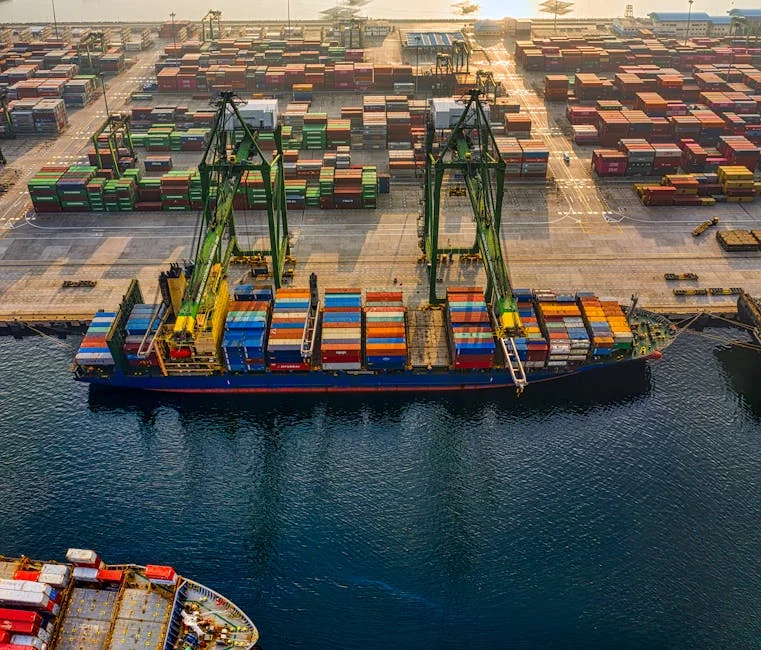
Efficient supply chains are the backbone of successful agricultural exports. India has made significant strides in building cold chain infrastructure, but gaps remain. The government is investing in modernizing ports and logistics hubs to handle perishable goods more efficiently. For instance, the development of dedicated agricultural terminals at major ports like Mumbai and Chennai helps in reducing congestion and handling time. This infrastructure upgrade is crucial for maintaining the quality of exports during transit.
Private sector participation is also being encouraged through public-private partnerships. These partnerships bring in capital and expertise to build state-of-the-art processing and packaging facilities. In states like Gujarat, new processing units for dairy and fruits have been set up with private investment. These facilities add value to raw produce, allowing exporters to sell finished products rather than just raw materials. Value addition increases the profit margin for farmers and boosts the overall export revenue.
Improved infrastructure also reduces the carbon footprint of exports. Efficient logistics mean less fuel consumption and lower emissions. This aligns with global trends towards sustainability and green trade. Indian exporters who can demonstrate lower environmental impacts may gain a competitive advantage in markets that are increasingly conscious of climate change. This shift towards green agriculture opens up new opportunities for Indian farmers to tap into niche markets.
Enhancing Market Access and Diversification
India’s agricultural exports are heavily concentrated in a few traditional markets. The government is now looking to diversify these markets to reduce dependency on any single region. Emerging markets in the Middle East, Africa, and Southeast Asia are being targeted for increased exports. These regions are experiencing rapid population growth and rising middle classes, creating new demand for quality food products. Diversification helps in mitigating risks associated with economic fluctuations in traditional markets.
The European Union remains a key market for Indian agricultural exports, but it is also one of the most demanding. The recent review includes strategies to meet the evolving standards of the EU, such as the “Farm to Fork” strategy. This strategy focuses on sustainability, organic farming, and reducing chemical inputs. Indian farmers who adapt to these standards can access premium segments of the EU market. This requires continuous investment in research and development to improve farming practices.
Asia-Pacific countries also present significant opportunities. Countries like China and Japan are major importers of Indian seafood and spices. Strengthening trade relations with these nations can lead to long-term contracts and stable demand. The government is using trade missions and expos to showcase Indian products to international buyers. These events help in building brand recognition and fostering direct relationships between Indian exporters and foreign importers. Direct relationships often lead to better pricing and faster payment cycles.
Community and Social Impact
The success of these export initiatives has a direct impact on the social fabric of rural India. Increased agricultural income leads to better living standards for farming communities. This includes improved access to healthcare, education, and digital connectivity. When farmers earn more, they spend more in local markets, stimulating the rural economy. This local economic activity creates jobs in sectors such as transportation, retail, and services.
Women in agriculture also benefit from these developments. Women constitute a large portion of the agricultural workforce, particularly in horticulture and fisheries. Export-oriented farming often requires more labor-intensive tasks, providing more employment opportunities for women. Empowering women economically leads to greater gender equality and improved household decision-making. This social progress contributes to the overall development of rural communities.
Education is another area that sees improvement with increased agricultural income. Families can afford to send their children to better schools and even higher education institutions. This breaks the cycle of poverty and creates a more skilled workforce for the future. A better-educated rural population is better equipped to adopt new technologies and farming practices, further enhancing productivity. This creates a virtuous cycle of growth and development in rural India.
Looking Ahead: Next Steps and Timelines
The government has set clear timelines for implementing these export promotion strategies. Key milestones include the completion of bilateral SPS agreements with major trading partners within the next fiscal year. APEDA is also scheduled to launch a new digital portal for exporters to track their certifications and shipments in real-time. This portal is expected to be fully operational by the end of the current agricultural season, providing immediate relief to exporters dealing with paperwork delays.
Stakeholders should watch for the announcement of new incentive schemes for farmers who adopt sustainable practices. These incentives may include subsidies for organic fertilizers, drip irrigation systems, and solar-powered cold storages. The government is also planning to hold a series of regional trade fairs to connect farmers with international buyers. These events will provide a platform for direct negotiation and contract signing, reducing the role of middlemen and increasing the share of the final price that goes to the farmer.
Continued monitoring of global market trends and regulatory changes will be essential for the success of these initiatives. The Ministry of Commerce will release quarterly reports on the performance of agricultural exports, highlighting areas of growth and challenges. Farmers and exporters are encouraged to stay informed about these developments and adapt their strategies accordingly. The coming months will be critical in determining the long-term impact of these reforms on India’s agricultural sector and the livelihoods of millions of citizens.
See Also
- Road Conditions in Satna: A Call for Urgent Attention
- Family of Indian Student Vidhi Megha Demands Body Release for Last Rites in Canada
What is the latest news about goyal pushes indian farm exports to new heights?
Why does this matter for local-news?
What are the key facts about goyal pushes indian farm exports to new heights?