The United States has officially closed its consulate in Peshawar, marking a sharp contraction of its diplomatic footprint in northwest Pakistan. This decision comes despite recent statements from Washington suggesting a warming relationship with Islamabad. The closure affects visa processing and regional security coordination in a key border area.
Diplomatic Retreat in Northwest Pakistan
The American embassy in Islamabad confirmed that the Peshawar consulate would cease operations by the end of the current fiscal quarter. This move reduces the number of active US diplomatic missions in Pakistan to three, following the earlier closure of the Karachi consulate. The decision reflects a strategic recalibration of American interests in the region.
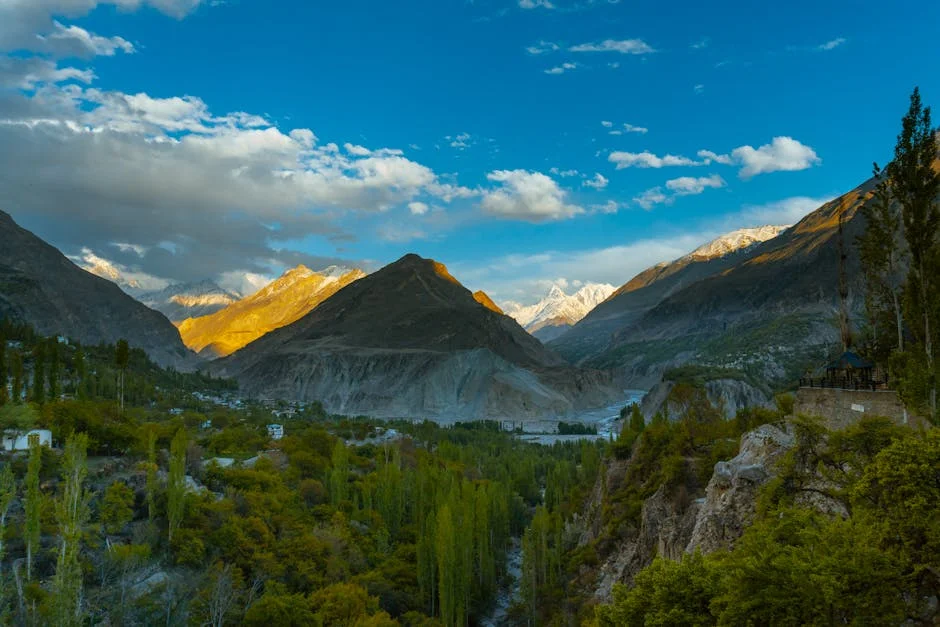
Peshawar serves as a critical gateway to the Khyber Pakhtunkhwa province and the tribal areas bordering Afghanistan. The consulate previously handled a significant volume of visa applications and facilitated intelligence sharing with local Pakistani agencies. Its closure signals a shift towards a more centralized diplomatic approach based in the capital.
Local officials in Peshawar have expressed concern over the reduced presence. The city has long been a hub for diplomatic engagement due to its proximity to the Durand Line. The departure of American diplomats may slow down administrative processes for local citizens seeking entry to the United States.
Impact on Local Citizens and Communities
The immediate effect of the closure will be felt by residents of Khyber Pakhtunkhwa who rely on the Peshawar consulate for visa services. Applicants who previously traveled short distances to submit their documents will now need to commute to Islamabad. This increases travel costs and time off work for hundreds of families each month.
Visa wait times are expected to surge as the Islamabad embassy absorbs the workload from the northwest region. The American embassy in Islamabad already processes over 100,000 visas annually. Adding the Peshawar quota could extend waiting periods for student and tourist visas from weeks to several months.
Local businesses that benefited from the diplomatic presence may also see a decline in revenue. Hotels, taxi services, and restaurants near the consulate compound relied on steady foot traffic from diplomats and applicants. The economic ripple effect, while localized, is tangible for small business owners in the Hayatabad area.
Administrative Burdens for Applicants
Citizens from distant districts like Chitral and Swat will face the longest travel distances to reach the Islamabad embassy. The journey from Peshawar to Islamabad takes approximately five hours by road, depending on traffic conditions. For applicants from further north, the trip can exceed eight hours, often requiring an overnight stay.
The financial burden includes transportation, accommodation, and meals. For a middle-class family in Peshawar, the total cost of a single visa application trip to Islamabad can exceed 15,000 Pakistani rupees. This is a significant sum when compared to the standard visa fee, which is often around 180 US dollars.
Students applying for undergraduate programs in the United States are particularly vulnerable to these delays. Many universities have early admission deadlines that require visa stamps well before the academic year begins. Extended processing times could force some students to defer their enrollment or choose alternative destinations.
Strategic Shifts in US-Pakistan Relations
The closure of the Peshawar consulate aligns with broader American foreign policy trends in South Asia. The United States has been gradually reducing its operational costs in the region following the withdrawal of troops from Afghanistan. This strategic retreat aims to streamline diplomatic resources and focus on high-impact engagements.
Washington has emphasized economic cooperation and democratic governance in its recent dialogue with Islamabad. The decision to close the Peshawar mission suggests that the US views security coordination as less critical than it was during the peak of the Afghan war. Intelligence sharing will likely continue through other channels, such as the Islamabad embassy and bilateral meetings.
Pakistan’s Ministry of Foreign Affairs has welcomed the move as a step towards normalizing relations. Pakistani officials argue that a centralized diplomatic presence fosters greater efficiency and reduces redundancy. They believe that the Islamabad embassy is well-equipped to handle the increased workload without compromising service quality.
Regional Security Implications
Peshawar’s strategic location makes it a vital node for monitoring movements across the Afghanistan-Pakistan border. The consulate played a key role in gathering local intelligence and coordinating with Pakistani security forces. Its closure may create a temporary gap in real-time information flow between American and Pakistani agencies.
Security experts warn that reduced diplomatic presence could slow down response times during regional crises. The Khyber Pakhtunkhwa province has experienced fluctuating security conditions over the past decade. The absence of a dedicated American diplomatic team in the region might affect the speed of joint operations.
However, the US has assured Pakistan that security cooperation will not be significantly disrupted. The Islamabad embassy maintains strong ties with the Pakistani military and intelligence community. Digital communication tools and regular high-level visits are expected to compensate for the physical absence of the Peshawar consulate.
Economic Consequences for Peshawar
The local economy in Peshawar has adapted to the presence of foreign diplomats over the years. The consulate employed a mix of American and Pakistani staff, creating jobs in administration, security, and maintenance. The departure of these employees reduces the local employment base in the diplomatic sector.
Real estate values near the consulate may also see a slight correction. Properties rented by diplomats and staff often commanded premium prices due to their proximity to the mission. With the reduction in demand, landlords might need to adjust their rental strategies to attract new tenants.
Small vendors and service providers in the surrounding neighborhoods have already noticed a change in customer traffic. The daily rhythm of life around the consulate compound has slowed down as packing and relocation activities take precedence. This transition period is expected to last until all staff have been redeployed.
Community Response and Public Sentiment
Public reaction in Peshawar has been mixed. Some residents view the closure as a symbolic end to an era of intense American involvement in the region. Others see it as a practical step that reduces the visibility of foreign influence in their daily lives. Social media platforms have seen a surge in discussions about the implications of the decision.
Local journalists have highlighted the logistical challenges faced by visa applicants. News outlets in Khyber Pakhtunkhwa have published detailed guides on how to navigate the new visa process. These resources aim to help citizens prepare for the longer journeys and extended waiting periods ahead.
Community leaders have called for the Pakistani government to improve transportation links between Peshawar and Islamabad. They argue that better infrastructure would mitigate some of the inconveniences caused by the consulate’s closure. This demand adds to the ongoing debates about regional development in Khyber Pakhtunkhwa.
What to Watch Next
The full impact of the consulate’s closure will become clearer over the next six months. Visa processing times and local economic indicators will provide early signals of how the region is adapting to the change. The American embassy in Islamabad has promised to announce new appointment slots by the beginning of next month.
Observers should monitor any announcements regarding the redeployment of Peshawar-based diplomats. Some staff members may be assigned to other regional missions, while others might return to Washington. The final staffing structure will determine the long-term capacity of the Islamabad embassy to handle the increased workload.
Citizens planning to apply for US visas should start their preparations early. Checking the embassy’s online portal for updated wait times and required documents will help avoid last-minute rushes. The next major visa interview cycle is expected to begin in the spring, offering a key testing ground for the new administrative setup.
See Also
- Bihar Police Seize Gold Hoard — Patna Markets Face Shock
- Simeone Defies Pressure as Champions League Semi-Final Nears