Karnataka’s wildlife authorities have launched an aggressive rehabilitation strategy to manage a growing elephant population spilling out of forest reserves. Approximately 300 elephants are currently roaming outside traditional boundaries, creating immediate friction with local communities. This rapid response aims to reduce human-animal conflict in districts that have seen a sharp rise in crop damage and infrastructure strain.
Escalating Conflict in Rural Karnataka
The situation has reached a critical threshold in several key districts. Farmers in regions like Coorg and Chikkamagaluru report that elephants are no longer seasonal visitors but permanent residents of agricultural lands. This shift disrupts daily farming routines and threatens the livelihoods of thousands of families who rely on consistent harvests.
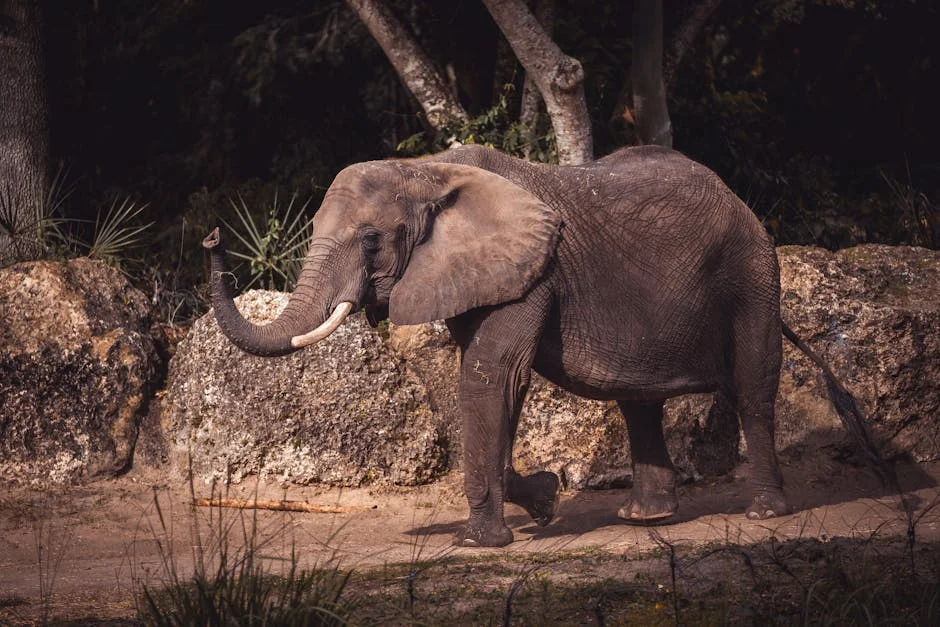
Local residents describe a landscape transformed by the sheer volume of wildlife. The presence of 300 elephants outside designated forest zones means that roads are frequently blocked, and schools are often closed due to herds moving through residential areas. This constant state of alertness has created a psychological toll on communities that once enjoyed a harmonious coexistence with nature.
The economic impact is becoming increasingly visible in local markets. Crop losses have risen significantly, forcing farmers to sell their produce at lower prices to cover immediate expenses. Small businesses near forest fringes also report fluctuating customer turnout as traffic patterns shift to accommodate the slow-moving giants.
Government Response and Strategic Planning
Karnataka’s leadership has moved quickly to address the crisis. The state government has allocated specific funds to enhance infrastructure and implement new monitoring systems. Minister for Wildlife and Fisheries has emphasized the need for a balanced approach that protects both the elephants and the citizens living in their expanding range.
The strategy involves a multi-pronged approach to rehabilitation. Authorities are working to create buffer zones that serve as transitional spaces between dense forests and agricultural lands. These zones will be equipped with better fencing and early warning systems to give residents more time to react when herds approach.
Official statements highlight the urgency of the situation. The government acknowledges that previous measures were insufficient to handle the current scale of migration. New policies aim to integrate local communities into the decision-making process, ensuring that their concerns are addressed in the rehabilitation plan.
Infrastructure Upgrades and Technology
Technology plays a crucial role in the new strategy. Sensors and cameras are being installed along key migration routes to track elephant movements in real-time. This data allows authorities to deploy teams more efficiently and alert villages before herds arrive. The integration of mobile apps for farmers further enhances communication between the wildlife department and local residents.
Physical infrastructure is also undergoing significant upgrades. Existing fences are being reinforced with electric currents to deter elephants without causing excessive stress to the animals. New water sources are being created in strategic locations to reduce the need for herds to traverse through villages to reach rivers and streams.
Impact on Local Communities
The daily lives of citizens in affected areas have been profoundly altered. Morning routines now include checking for elephant activity before heading to fields or schools. This constant vigilance has changed the social fabric of these communities, fostering a deeper sense of collective responsibility and mutual support among neighbors.
Economic pressures are mounting for many families. The cost of crop insurance has increased, and some farmers are considering switching to elephant-resistant crops. This agricultural shift requires investment and adaptation, which can be challenging for small-scale farmers with limited financial resources. Local cooperatives are stepping in to provide guidance and financial support to ease this transition.
Social dynamics are also evolving. Community meetings have become more frequent as residents discuss strategies for coexistence. These gatherings provide a platform for sharing experiences and coordinating responses to elephant sightings. The shared challenge has strengthened community bonds, creating a unified front against the growing pressure from wildlife.
Economic Consequences for Regional Economy
The local economy is feeling the strain of the elephant crisis. Agriculture, a primary source of income for many, faces uncertainty due to unpredictable crop yields. This volatility affects not only farmers but also local traders and transporters who depend on steady agricultural output. The ripple effect extends to service sectors, where reduced disposable income leads to slower consumption.
Tourism, another vital economic driver in Karnataka, is experiencing mixed impacts. While some tourists are drawn to the increased visibility of elephants, others are deterred by the logistical challenges and potential disruptions. Hotels and tour operators are adapting by offering specialized wildlife experiences that cater to this new reality. However, the overall economic benefit remains uncertain as the situation continues to evolve.
Local businesses are exploring new opportunities to mitigate economic losses. Some are investing in elephant-friendly products and services, such as guided tours and eco-lodges. These initiatives aim to turn the crisis into an opportunity by leveraging the unique wildlife presence. However, the success of these efforts depends on effective management and sustained community support.
Community Response and Grassroots Initiatives
Communities are taking proactive steps to manage the elephant presence. Local volunteers are organizing patrols to monitor elephant movements and alert residents. These grassroots efforts complement government initiatives by providing on-the-ground intelligence and rapid response capabilities. The involvement of local leaders ensures that solutions are tailored to specific community needs.
Education and awareness campaigns are gaining momentum. Schools and community centers are hosting workshops to teach residents about elephant behavior and safety measures. These educational efforts aim to reduce panic and promote informed decision-making during encounters. By empowering citizens with knowledge, communities can respond more effectively to the challenges posed by the expanding elephant population.
Collaboration between different stakeholders is essential for long-term success. Farmers, wildlife experts, and local officials are working together to develop comprehensive management plans. This collaborative approach ensures that diverse perspectives are considered, leading to more robust and sustainable solutions. The shared goal is to create a harmonious environment where both humans and elephants can thrive.
Future Outlook and Key Developments
The coming months will be critical in determining the effectiveness of the rehabilitation plan. Authorities are monitoring key indicators such as the frequency of elephant sightings, crop damage rates, and community satisfaction levels. These metrics will guide adjustments to the strategy and help identify areas that require additional attention. The goal is to create a dynamic system that adapts to changing conditions.
Upcoming policy decisions will shape the long-term relationship between Karnataka’s citizens and its elephant population. The state government is considering further investments in wildlife corridors and habitat restoration projects. These initiatives aim to provide elephants with sufficient space and resources, reducing the need for them to venture into human-dominated landscapes. The success of these projects will depend on sustained political will and community engagement.
Residents should watch for announcements regarding new funding allocations and infrastructure upgrades. The next major milestone will be the completion of the initial buffer zone projects, which are expected to significantly reduce human-elephant conflicts in targeted areas. Staying informed about these developments will help communities prepare for changes and make the most of the new resources available to them.
See Also
- Capsey Heroics Power England to Historic Series Win Over India
- TVK Minister Rajmohan Defends Tamil Nadu’s Two-Language Policy
What is the latest news about karnataka fasttracks elephant rehab plan as 300 herds swarm villages?
Why does this matter for local-news?
What are the key facts about karnataka fasttracks elephant rehab plan as 300 herds swarm villages?