The Central Bureau of Investigation has formally charged the Delhi-based real estate developer AVJ and several bankers, marking a critical escalation in one of India’s most watched property scandals. This legal move directly impacts thousands of homebuyers in the National Capital Region who are staring at delayed handovers and fluctuating loan repayments. The filing of chargesheets signals that the financial fallout from AVJ’s near-collapse is no longer just about balance sheets; it is now a matter of criminal liability.
Chargesheets Filed Against AVJ and Lending Banks
The CBI’s decision to file formal charges against AVJ Developers and its bankers represents a turning point in the saga that began with a massive debt restructuring. Authorities have moved beyond preliminary investigations to pin specific liabilities on both the corporate entity and the financial institutions that backed it. This action affects the legal standing of the company and could influence how remaining assets are liquidated or managed.
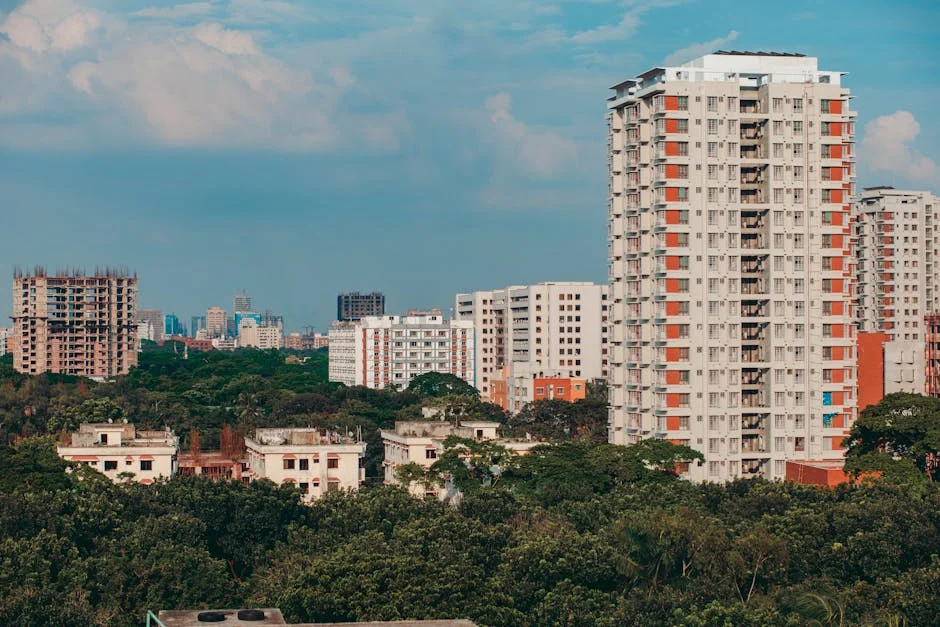
For the average citizen in Delhi, this means the legal process is accelerating. The chargesheets detail allegations of mismanagement and potential fraud in how loans were secured and utilized. Homebuyers who have been waiting for years for their flats in sectors across Gurugram and Noida now have a clearer, albeit more complex, legal landscape to navigate. The involvement of bankers adds a layer of accountability that extends beyond the developer’s boardroom.
The investigation focuses on how AVJ managed its cash flow during its peak expansion years. By targeting the bankers, the CBI is scrutinizing the due diligence performed before loans were disbursed. This scrutiny could lead to recoveries for the banks, which in turn might affect the overall health of the lending institutions involved. For communities in the NCR, this legal clarity is a necessary step toward potential compensation or faster construction completion.
Impact on Delhi and NCR Homebuyers
Thousands of families in Delhi, Gurugram, and Noida have seen their savings tied up in AVJ properties for over a decade. The filing of charges against the firm directly influences the pace at which construction resumes on stalled projects. Many buyers are currently paying equated monthly installments (EMIs) on flats that are barely visible on the horizon, creating a unique financial burden unique to this region.
The social impact in these communities is profound. Middle-class families have delayed other life milestones, such as education and retirement, betting on the real estate market’s resilience. Now, with the CBI’s intervention, there is a mix of hope and anxiety. Hope arises from the potential for enforced accountability, while anxiety stems from the uncertainty of when legal proceedings will translate into physical keys in hand.
Local real estate agents report a shift in buyer sentiment across Delhi. Trust in large developers is waning, with many opting for smaller, land-rich projects in the suburbs. This behavioral change is reshaping the local economy, boosting demand in areas like Faridabad and Ghaziabad as buyers seek alternatives to the perceived risks in core NCR zones. The AVJ case has become a cautionary tale that influences daily financial decisions for thousands of households.
Bankers Under Scrutiny: The Financial Link
The inclusion of bankers in the CBI’s charges is a significant development that exposes the depth of the financial entanglement. These financial institutions provided the liquidity that allowed AVJ to expand rapidly, often relying on future land acquisitions as collateral. The investigation questions whether these loans were adequately secured or if they were driven by aggressive growth targets that outpaced reality.
For the regional banking sector, this scrutiny serves as a warning. It highlights the risks associated with lending to real estate developers without rigorous oversight. The potential for non-performing assets (NPAs) increases when the primary borrower faces legal hurdles. This has direct implications for the credit markets in Delhi, as banks may become more cautious in their lending practices, potentially raising costs for future projects.
The bankers’ involvement also means that the recovery of funds for the banks could be faster or more structured. If the courts rule in favor of the lenders, assets could be seized and sold off to clear debts. This process, while painful for the developer, ensures that the financial ecosystem remains stable. For the community, stable banks mean continued access to credit for new housing projects, keeping the local economy moving.
Legal Ramifications for Lending Institutions
The legal ramifications for the lending institutions are complex and far-reaching. Each bank must now defend its due diligence processes in court, which can be a lengthy and costly affair. This legal battle could tie up capital that might otherwise be deployed for new loans in the Delhi region. The outcome of these cases will set precedents for how real estate loans are evaluated in the future.
Furthermore, the reputational damage to the banks involved could affect their customer base. Depositors in Delhi and surrounding areas may look at their savings with more caution if their bank is seen as a major creditor in a troubled real estate deal. This subtle shift in consumer confidence can have ripple effects on the local financial health, influencing everything from small business loans to mortgage approvals.
Community Response and Social Unrest
Homeowner associations in Delhi and NCR have become increasingly vocal in response to the CBI’s move. Groups like the AVJ Homebuyers Association have organized protests and legal petitions, demanding transparency and faster action. These communities are no longer passive observers; they are active stakeholders pushing for results. Their collective voice has become a powerful force in the local political and social landscape.
The social unrest is not just about delayed flats; it is about the erosion of trust in institutions. Citizens feel that their hard-earned money is being tied up in legal limbo. This sentiment is spreading beyond AVJ buyers to the broader real estate market in Delhi. People are questioning the regulatory framework that allowed such a large developer to wobble without immediate intervention. This distrust affects community cohesion and consumer confidence in the region.
Local communities are also seeing the physical impact of the delay. Half-built structures in prime locations have become eyesores, affecting property values in the immediate vicinity. Neighbors of stalled AVJ projects report increased dust, noise, and traffic congestion as construction crews come and go without consistent progress. These daily inconveniences add to the frustration of residents who are paying for a product that is not fully delivered.
Economic Consequences for the Region
The economic consequences of the AVJ case extend well beyond the walls of the stalled flats. The real estate sector is a major driver of employment in Delhi and the NCR. From construction workers to architects, lawyers, and sales agents, thousands of jobs are tied to the health of this industry. Any disruption in a major player like AVJ sends shockwaves through the local labor market.
Small vendors and service providers near the construction sites have also felt the pinch. Cafes, hardware stores, and transportation services that relied on the steady flow of workers and visitors have seen fluctuating revenues. This micro-economic impact is often overlooked but is crucial for the daily life of communities in sectors like Gurugram’s Sector 47 and Noida’s Sector 128. The ripple effect of a corporate crisis reaches the street level.
Additionally, the case affects the valuation of land in the region. Uncertainty about the completion of major projects can lead to a correction in land prices. Investors and developers are now more cautious, which can slow down the overall pace of urban development. For Delhi, a city that is constantly expanding, this slowdown can have long-term implications for infrastructure planning and housing affordability.
What to Watch Next
The next critical phase will be the court hearings where the chargesheets are examined in detail. Legal experts suggest that the timeline for these hearings could span several months, depending on the complexity of the financial records presented. Citizens and stakeholders should monitor the initial rulings on bail and asset freezes, as these will set the tone for the rest of the trial.
Homebuyers are advised to stay engaged with their associations and legal representatives. The outcome of the CBI’s case will likely influence future litigation strategies for other stalled projects in Delhi. Keeping an eye on the specific dates announced by the Delhi Courts for the AVJ case will provide clarity on the pace of justice. The coming weeks will reveal whether the legal pressure is enough to force a resolution or if the saga will drag on for years.
Local authorities in Delhi and the NCR are also expected to announce new regulatory measures in response to the crisis. These measures could include stricter norms for loan disbursement and construction milestones. Residents should watch for announcements from the Delhi Development Authority (DDA) and the National Capital Region Planning Board (NCRPB) regarding new policies that could impact property rights and development speeds in the region.
See Also
- Bhopal Lawyer Husband Blamed for Wife’s Death in Dowry Row
- India Slams Pakistan's 'Thousand Cuts' Doctrine at UN
Legal experts suggest that the timeline for these hearings could span several months, depending on the complexity of the financial records presented. Depositors in Delhi and surrounding areas may look at their savings with more caution if their bank is seen as a major creditor in a troubled real estate deal.
What is the latest news about cbi slams delhi real estate firm avj as bankers join the chaos?
Why does this matter for sports?
What are the key facts about cbi slams delhi real estate firm avj as bankers join the chaos?